Wall Street’s $50 Billion Victory Lap
The Three-Year Ceasefire
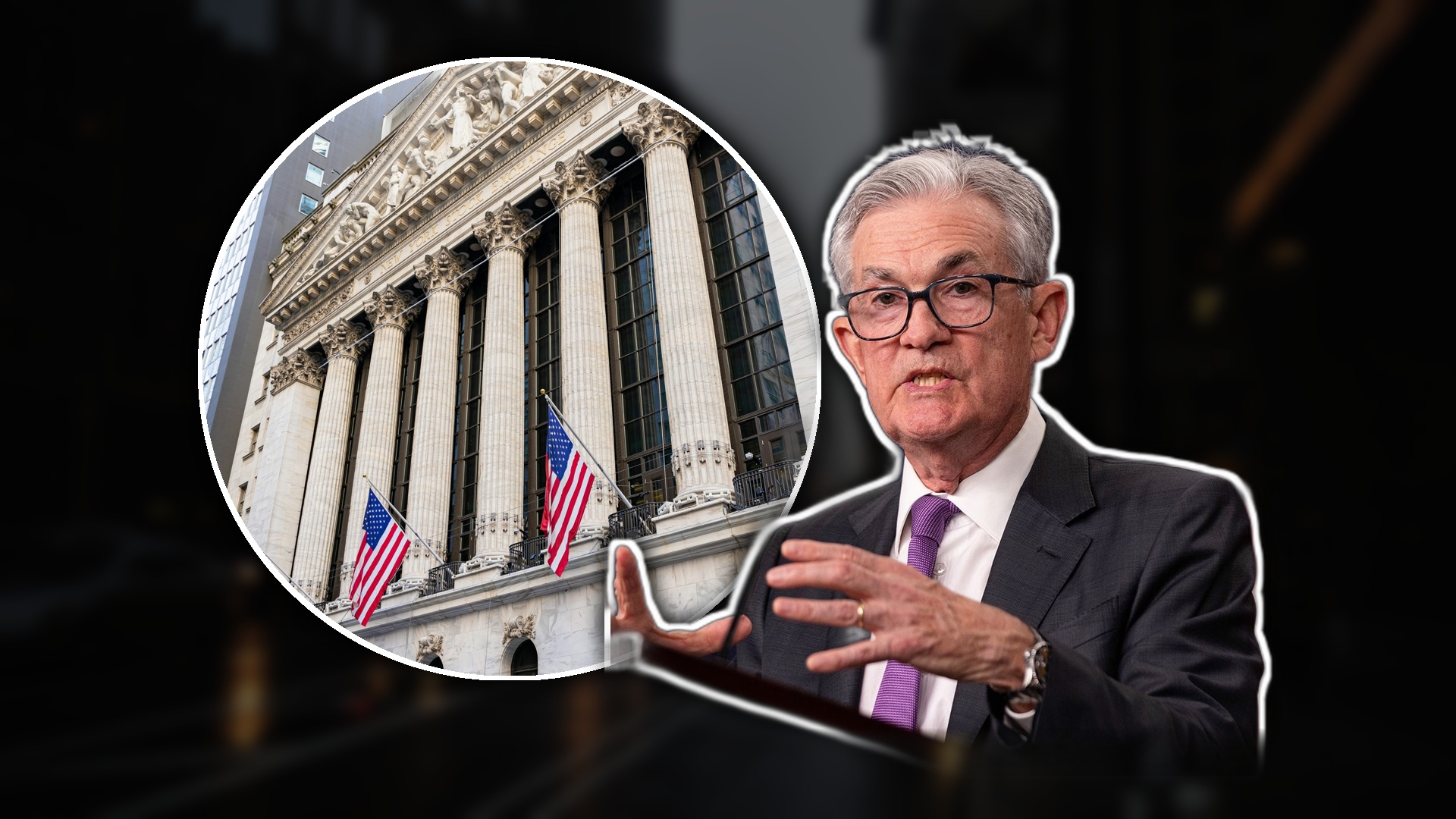
In the wood-paneled quiet of the Eccles Building, the Federal Reserve just handed the titans of Wall Street something far more valuable than a mere passing grade: time. The release of the 2026 stress test results was less a regulatory audit and more a starting gun for a capital exodus. All 32 major U.S. banks survived a doomsday scenario that modeled $708 billion in hypothetical losses, proving that the post-2008 'fortress balance sheet' isn't just a marketing slogan—it’s a reality.
But the real news wasn't the survival; it was the surrender. By confirming that capital requirements will remain frozen until 2027, the Fed has effectively declared a three-year ceasefire in the regulatory wars. For the C-suites at JPMorgan Chase and Goldman Sachs, this is the 'peace dividend' they’ve been lobbying for since the first whispers of the Basel III Endgame began to chill the markets.
JPMorgan’s $50 Billion Statement of Intent
Jamie Dimon didn't wait for the ink to dry. Almost immediately following the Fed’s announcement, JPMorgan Chase unveiled a staggering $50 billion share buyback program alongside a 10% dividend hike. It was a classic power move, designed to signal not just stability, but dominance. When you can return $50 billion to shareholders while the rest of the world frets about a hypothetical recession, you aren't just playing the game; you’re the house.
The rest of the 'Big Four' followed the leader. Goldman Sachs, Wells Fargo, and Morgan Stanley all pushed through double-digit dividend increases, ranging from 11% to 15%. This isn't just a routine payout; it’s a tactical draining of 'dry powder.' By returning this capital now, these institutions are essentially betting that they won't need those cushions for the next three years. It’s a high-conviction play on the stability of the U.S. consumer and the resilience of their own internal risk models.
The 2027 Model Reset: A Hidden Cliff?
However, an investigative eye sees the shadow behind the sunshine. The Fed’s decision to freeze the Stress Capital Buffer (SCB) until 2027 is an administrative pause, not a permanent relaxation. The central bank is currently overhauling its proprietary loss-estimating models—the 'black boxes' that determine how much cash banks must hoard. When these new models debut in 2027, they will likely incorporate the brutal data from the recent commercial real estate (CRE) tremors and credit card delinquencies.
Banks that are aggressively depleting their capital cushions today via massive buybacks are effectively sprinting toward a cliff. If the 2027 'Model Reset' proves more hawkish than anticipated, the very banks popping champagne today may be forced into an embarrassing and abrupt halt of payouts to claw back capital. We are witnessing a massive regulatory arbitrage where the industry is maximizing returns during a temporary blind spot in Fed oversight.
The Regional Counter-Attack
While the headlines are dominated by the G-SIBs (Global Systemically Important Banks), a quieter, perhaps more significant shift is happening in the regional tier. The latest Basel III re-proposals have carved out a distinct advantage for Category III and IV institutions—those regional players with assets between $100 billion and $700 billion. Exempted from the complex 'Expanded Risk-Based Approach' (ERBA), these banks are looking at a modified 'Standardized Approach' that could reduce their core capital requirements by nearly 8%.
This creates a fascinating competitive foil. While the Wall Street giants use their capital to buy back their own stock, the super-regionals are suddenly armed with the capacity to expand their loan books. This is a regulatory gift that allows regional banks to defend their 'Main Street' turf against the encroaching megabanks. We expect to see a wave of regional M&A as these players use their freed-up capital to swallow smaller community banks, building the scale necessary to compete with the JPMorgans of the world.
Efficiency as the New Capital
There is a third path emerging in this three-year window: the pivot to technology as a capital-saving tool. Under the new ERBA framework, 'operational risk'—the risk of loss from internal failures, cyberattacks, or legal issues—will carry a discrete capital charge for the first time. This charge is calculated as a multiple of a bank’s business indicator, which is heavily influenced by non-interest expenses.
The sophisticated play here isn't just buybacks; it’s the aggressive funding of AI and cloud-native migrations. By using this regulatory pause to slash operating expenses through automation, banks are effectively lowering their future operational risk-weighted assets. In the new regime, a leaner efficiency ratio isn't just about a better bottom line; it’s a regulatory shield that lowers the amount of capital the Fed requires you to hold. The banks that win the 2027 transition won't be the ones that gave the most back to shareholders, but the ones that used the pause to digitize their core.
The Verdict: A Golden Hour with an Expiration Date
The U.S. banking sector has entered a 'Goldilocks' period. The stress tests have validated their safety, the Fed has granted them a multi-year holiday from new rules, and the markets are rewarding their generosity. But for the discerning investor, the question isn't how much JPM is buying back today—it’s how they are preparing for the morning of January 1, 2027.
We are watching a bifurcation of the industry. On one side, you have the payout kings, liquidating their excess to satisfy immediate investor appetites. On the other, you have the strategic consolidators and tech-modernizers, who view this capital freeze not as a party, but as a preparation period. The 'peace dividend' of 2026 is real, but the bill arrives in 2027. Make sure you know which banks have already set the money aside to pay it.
Check out our Interactive Charting Tool.