United’s $6 Billion Gas Bill (And Why You’re Paying for the Middle Seat)
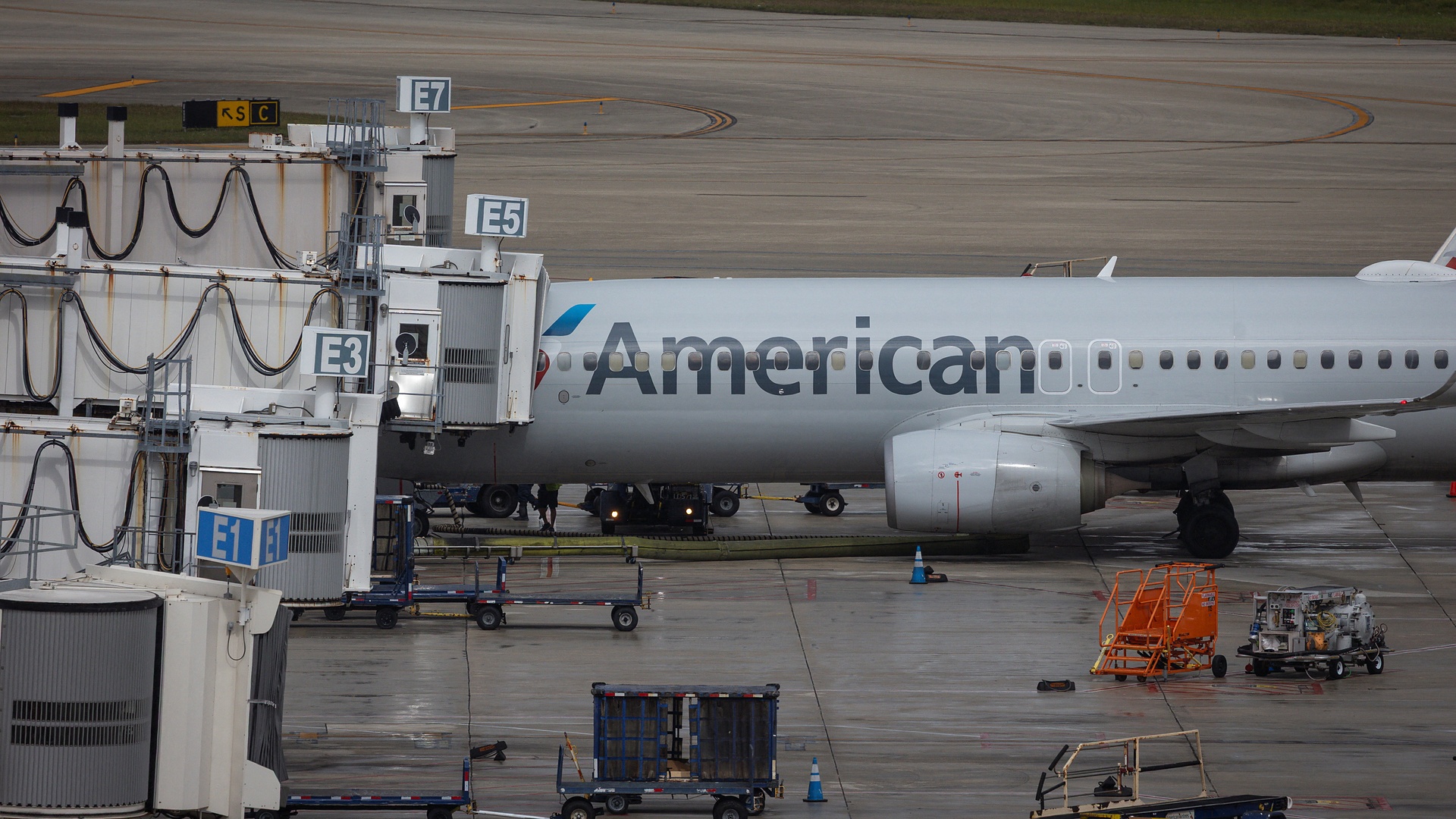
The $6 Billion Gas Station Bill
Fasten your seatbelts, because the airline industry just hit a massive pocket of geopolitical turbulence. United Airlines ($UAL) reported earnings that technically beat expectations, but the real story wasn't the win—it was the warning. Thanks to escalating U.S.-Iran tensions, United is staring down a potential $6 billion annual spike in jet fuel expenses. To put that in perspective, that’s not just a 'rounding error'; it’s a structural threat to the bottom line that has management scrambling for the 'upsell' button.
While the top line looks healthy—Total Operating Revenue climbed from $14.48 billion in Q3 2023 to $15.40 billion in Q4 2025—the engines are straining. When we look under the hood, United’s operating margin (the percentage of revenue left after paying the bills) has eroded from a crisp 12.0% in late 2023 to roughly 9.0% today. The culprit? A double-whammy of volatile fuel and 'sticky' labor costs.
The 'Middle Seat Tax' and the Premium Pivot
How do you fight a $6 billion fuel bill? You get creative with the cabin. United is testing a provocative new revenue stream: the option to pay a fee to block out the middle seat. It’s a brilliant, if slightly cheeky, move to monetize personal space. Meanwhile, Delta ($DAL) is doubling down on 'basic business' fares—giving you the big seat but stripping away the lounge access and the fancy perks. It’s the 'unbundling' of luxury, and it’s coming to a terminal near you.
This isn't just about extra legroom. It’s a defensive moat. United’s Passenger Revenue hit $13.93 billion in Q4 2025, up from $13.35 billion two years prior, but the cost to generate that revenue is skyrocketing. Salaries and related costs jumped from $3.91 billion to $4.52 billion in the same period. By upselling premium amenities, United is trying to outpace the structural inflation that’s eating its lunch.
The 'Steel Hedge' vs. The Spot Market
This is where the rivalry with Delta ($DAL) gets interesting. While United is exposed to the whims of the global oil spot market, Delta has a 'secret weapon': the Trainer Refinery in Pennsylvania. Delta essentially verticalized its supply chain, allowing it to hedge the 'crack spread'—the difference between crude oil prices and refined jet fuel prices. When fuel gets expensive, Delta gets a 'rebate' from its own refinery that United simply doesn't have.
United’s strategy, by contrast, is focused on 'United Next'—a massive fleet modernization plan. They are betting that new, fuel-efficient planes like the 737 MAX and Airbus A321neo (which burn 15-20% less fuel) will be their permanent hedge. But new planes are expensive. United’s capital expenditures (CapEx) hit $1.89 billion in Q4 2025 alone. That is a lot of middle seats to sell just to pay for the wings.
The Budget Glow-Up: Frontier Enters the Chat
Just when you thought the legacy carriers had the premium market cornered, the budget boys are moving upmarket. Frontier Airlines is planning to introduce first-class seating and Starlink Wi-Fi by 2027. Why? Because the 'no-frills' model is dying under the weight of high fuel costs. If you’re going to pay $300 for a flight anyway due to fuel surcharges, Frontier wants you to feel like you’re getting more than a cramped plastic chair.
This 'budget-premium' encroachment is forcing United and Delta to defend their turf. United’s response is to lean into its massive network and loyalty ecosystem. United’s 'Other Operating Revenue'—which includes its lucrative credit card partnership and loyalty program—has grown steadily from $802 million to $981 million. This high-margin revenue is the ultimate shock absorber when jet fuel prices decide to go to the moon.
The 2027 Cliff: CapEx vs. Cash Flow
Looking ahead to 2027, the big risk for United investors is the 'CapEx Cliff.' The airline is contractually committed to billions in new aircraft and technology upgrades (like that fleet-wide Starlink rollout). If a macroeconomic downturn hits just as this spending peaks, the first thing to go will be share buybacks. United’s cash position has already tightened, with Cash and Cash Equivalents dropping from $9.37 billion in early 2025 to $5.94 billion by year-end.
For now, United is a story of 'Growth at a Price.' The revenue is there, the passengers are willing to pay for 'premium' experiences, and the network is expanding. But with a $6 billion fuel cloud hanging over the horizon, the margin for error is as thin as the air at 35,000 feet. Investors should keep a close eye on those operating margins—if they continue to slip below 9%, the 'United Next' dream might need a layover.
Check out our Interactive Charting Tool.