The Yerevan Divorce: Armenia’s High-Stakes Bet on the West
The Republic Square Pivot
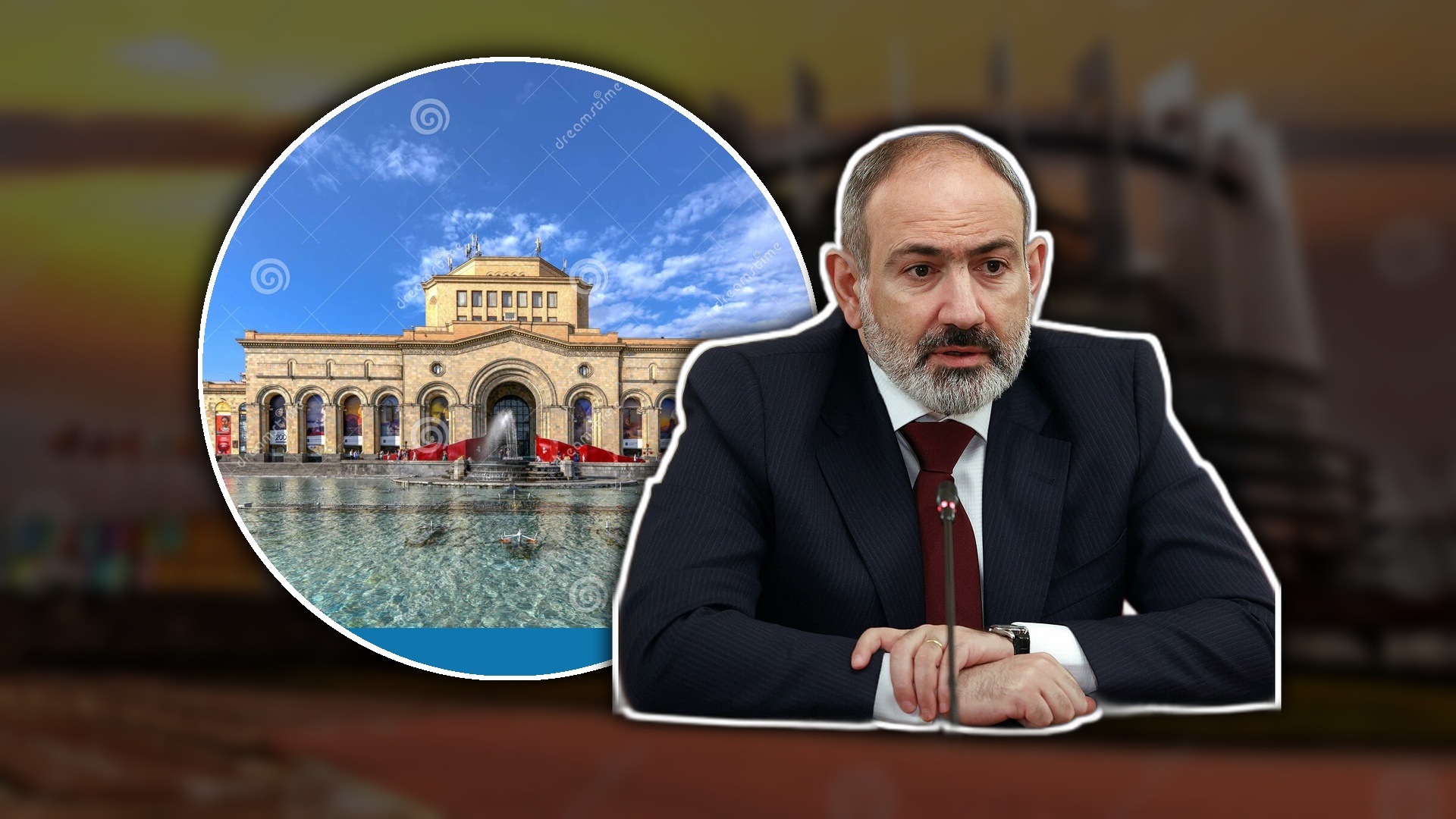
In the spring of 2026, the air in Yerevan’s Republic Square carries more than just the scent of apricot blossoms; it carries the weight of a historic realignment. As the first-ever EU-Armenia Summit convenes this May, the visual of blue-and-gold flags fluttering alongside the Armenian tricolor marks the end of an era. For decades, Armenia was viewed as the Kremlin’s loyalist outpost in the South Caucasus—a relationship cemented by security guarantees and heavy industrial dependency. Today, that relationship is in a deep freeze. By formally suspending its participation in the Collective Security Treaty Organization (CSTO), Yerevan isn't just changing its security partner; it is attempting a wholesale recapitalization of its national economy.
The Silicon Mountains and the €270 Million Bet
The centerpiece of this pivot is the newly minted EU-Armenia Connectivity Partnership. This isn’t just diplomatic window dressing. Behind the handshakes lies the EU’s €270 million Resilience and Growth Plan, a financial bazooka aimed at reorienting Armenia’s high-value sectors. The goal is to transform the 'Silicon Mountains' from a regional curiosity into a Western-integrated tech hub. During the summit, letters of intent regarding semiconductor manufacturing and innovation ecosystems were signed, signaling a shift toward FDI that moves Armenia up the global value chain.
Unlike the Russian capital of the past—which often flowed into stagnant state-owned utilities and heavy mining—this new wave of European and East Asian capital (specifically from the UAE and Hong Kong, which now account for 53% of exports) is targeting strategic innovation. The 2025 peace agreement with Azerbaijan, mediated by Washington, has acted as the ultimate de-risking event, allowing institutional investors to finally look at the Caucasus without the immediate specter of border skirmishes.
The Ghost of Moscow’s Infrastructure Grip
However, any veteran of the emerging markets desk knows that a pivot is rarely a clean break. While the software is moving West, the hardware remains stubbornly Russian. Moscow still controls approximately 24% of Armenian exports and holds significant sway over the country's energy distribution, telecommunications, and rail networks. This is what analysts call 'weaponized interdependence.' As Armenia aligns with EU standards, these sectors face immediate regulatory friction. Russian firms, facing their own liquidity crunches, are unlikely to modernize these assets, yet Western firms remain cautious about entering a room where the Kremlin still holds the keys to the basement.
The risk of economic retaliation is the elephant in the boardroom. We have seen this playbook before: phytosanitary bans on Armenian cognac or sudden 'maintenance' issues on gas pipelines. The 2026 summit initiatives aim to mitigate this by diversifying trade routes, but the transition period is a valley of death for many Armenian SMEs that still rely on the EAEU market.
The Middle Corridor’s Tug-of-War
Armenia is not pivoting in a vacuum. Its neighbors are watching, and their reactions are creating a new competitive map of the region. Kazakhstan has emerged as the 'diversified transit' leader, aggressively digitalizing the Middle Corridor to bypass Russian bottlenecks. While Armenia competes for high-tech services, Kazakhstan is securing the physical trade dominance, moving 4.5 million tonnes of cargo annually from China to Europe.
On the opposite end of the spectrum lies Belarus, the 'fortress economy.' While Armenia exits Russian military-industrial supply chains, Belarus is doubling down, absorbing the very industrial sectors Armenia is abandoning. This divergence creates a unique opportunity for Western institutional investors: Armenia is now the only EAEU member attempting to implement EU food safety (SPS) and digital standards, potentially making its exports the only ones in the bloc eligible for high-margin European markets.
The Litmus Test in June
The ultimate hurdle isn't in Brussels or Moscow, but at the ballot box. The 2026 parliamentary elections, scheduled for next month, will serve as the final verdict on this Western pivot. An electoral victory for the current administration would solidify the FDI trajectory and likely trigger a second wave of institutional capital. A shift in leadership, however, could lead to a 're-freezing' of Western assets. For now, the smart money is betting on the 'Crossroads of Peace'—the regional transit bridge that could turn a landlocked island into a vital node of the global economy. But in the Caucasus, as on Wall Street, the trend is your friend until the geopolitical music stops.
Check out our Interactive Charting Tool.