The Swiss Peace and the Permanent Premium
The Silence in the Alps and the Echo in the Strait
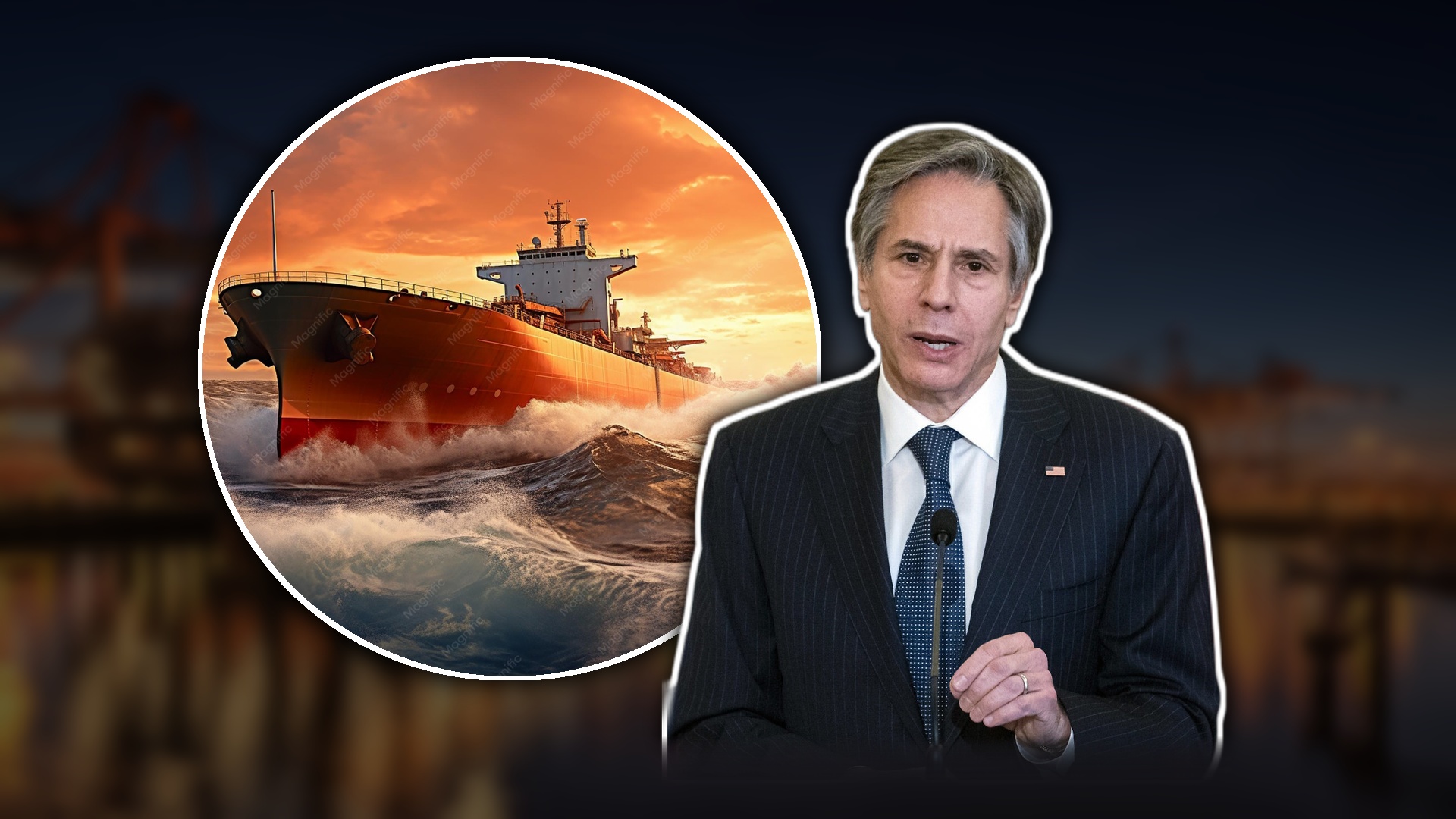
In the hushed, wood-paneled rooms of a private estate in Geneva, the world’s most expensive game of chicken has reached a temporary truce. The preliminary ceasefire agreement between the United States and Iran, brokered under the watchful eye of Swiss and Pakistani diplomats, has sent a shockwave of relief through global markets. On the news, Brent crude—the lifeblood of the global economy—plummeted from its wartime peak of $126 a barrel to the low-$80s. But for the veterans of Wall Street, the celebration is tempered by a cold realization: the Strait of Hormuz, which handles 20% of the world’s petroleum, is no longer seen as a reliable artery. It is now a permanent liability.
While the formal signing ceremony is scheduled for this Friday, the physical reality on the water tells a more complex story. The three-month conflict involved kinetic warfare, sea mines, and naval blockades. Even with the ink drying on the memorandum of understanding, the Strait remains a graveyard of ordnance. International naval task forces must now begin the painstaking process of de-mining before the first Very Large Crude Carriers (VLCCs) can safely pass. This is not a light switch; it is a slow-motion recovery that will take months to normalize.
The 'Hormuz+1' Strategy Takes Root
The 2026 crisis has fundamentally altered the DNA of global shipping conglomerates like Maersk and MSC. The old logic of economies of scale—moving massive amounts of oil through a single, narrow chokepoint—has been exposed as an existential threat. We are witnessing the birth of the 'Hormuz+1' strategy. Much like the 'China+1' manufacturing shift, energy producers and shippers are now aggressively diversifying. Saudi Arabia is already fast-tracking the expansion of its East-West Crude Oil Pipeline, aiming to bypass the Strait entirely by routing supply to the Red Sea. The UAE is doubling down on its Habshan–Fujairah pipeline, which terminates safely outside the Persian Gulf.
For the shipping giants, the ceasefire doesn't mean a return to pre-war insurance rates. Protection and Indemnity (P&I) clubs are unlikely to lower premiums until a sustained period of zero hostilities is observed. This creates a 'Chokepoint Premium' that will be baked into every freight contract for the next decade. Shippers are also pivoting toward smaller, nimbler Suezmax and Aframax vessels that can utilize alternative ports and shallower bypass routes, sacrificing the efficiency of the massive tankers for the safety of flexibility.
A Stealth Tax Cut for the West
The retreat of oil prices is acting as an unannounced tax cut for the global consumer. Institutional investors are already rotating capital out of safe-havens like gold and U.S. Treasuries—which saw their yields edge upward as the 'risk-off' trade unwound—and into growth-oriented sectors. The aviation, automotive, and logistics sectors are the immediate beneficiaries of lower input costs. However, the most fascinating shift is happening in the tech sector. Relieved of the looming threat of a stagflationary shock, growth capital is flowing back into capital-intensive AI infrastructure and semiconductor manufacturing.
Yet, the energy sector itself is bifurcating. While upstream oil producers in the Middle East face managed production cuts to maintain an $80 floor, Western Hemisphere producers in the Permian Basin, Guyana, and Brazil are leaning into their new identity: 'Geopolitical Resilience.' These producers are no longer just selling barrels; they are selling security. They are the hedge against the next time a drone swarm threatens a maritime chokepoint.
The Sixty-Day Implementation Fuse
The most critical watch-point for the next two months is the 'Implementation Gap.' The Geneva accord provides a 60-day window to hammer out the technical details of Iran’s nuclear program and the lifting of the U.S. naval blockade. This is the period of maximum peril. Hardliners in both Washington and Tehran are already sharpening their knives, and a single localized strike by a non-state proxy—be it the Houthis or a rogue militia—could shatter the fragile peace.
The Verdict: A New Energy Map
The June 2026 ceasefire stops the immediate bleeding, but the psychological damage to the global supply chain is permanent. The next decade will not be defined by a return to the status quo, but by an expensive, aggressive push toward 'geographic decoupling.' The Strait of Hormuz will remain open, but the world has learned that it can no longer afford to rely on it. For the savvy investor, the opportunity lies not in the oil price itself, but in the companies building the bypasses—the pipelines, the alternative LNG terminals in the U.S. Gulf Coast, and the localized renewable grids that ensure national security is never again at the mercy of a narrow strip of water.
Check out our Interactive Charting Tool.