The Strait of Fear: Why Big Oil is Betting on the Americas
The 21-Mile Chokepoint
The dawn over the Strait of Hormuz on July 9, 2026, didn’t bring the usual maritime rhythm; it brought the smoke of a tanker attack and the cold realization that the world’s energy jugular is being squeezed. With the White House revoking Iranian oil licenses and crude prices leaping 5% in a single session, the market is pricing in a nightmare scenario: the closure of a waterway that handles 20% of global petroleum. But while retail investors panic at the pump, the boardrooms of Irving and San Ramon are playing a much longer, more calculated game.
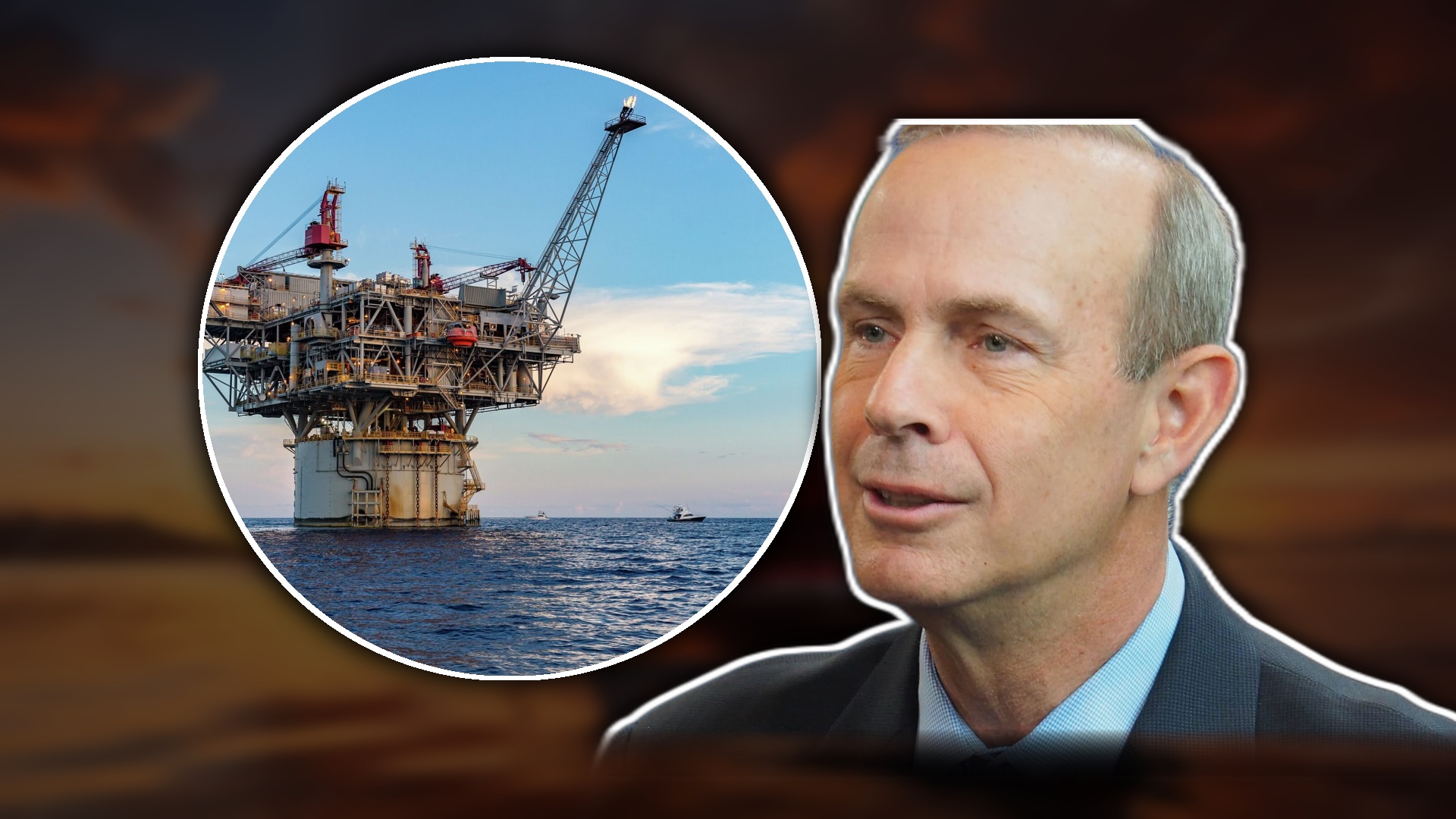
For the 'Supermajors' like ExxonMobil ($XOM) and Chevron ($CVX), the current volatility isn’t just a crisis—it’s a validation. For years, these giants have been quietly fortifying what insiders call the 'Americas-First Fortress.' By shifting capital away from the volatile Persian Gulf and toward the deep waters of Guyana and the shale fields of the Permian Basin, they have effectively hedged against the very chaos we are seeing today.
The Great Geographic Re-Anchoring
The conflict in Iran has exposed a fundamental truth: geographic proximity is the new ultimate risk metric. ExxonMobil’s massive bet on the Stabroek block in Guyana and Chevron’s consolidation of domestic assets through its acquisition of Hess are no longer just growth plays; they are structural insurance policies. These assets offer direct, open-ocean access to global markets, bypassing the geopolitical toll booths of the Middle East entirely.
This shift is visible in the way capital is being deployed. We are seeing a move toward 'short-cycle' assets. Unlike multi-billion-dollar deepwater projects in the Gulf that take a decade to bear fruit, U.S. shale wells can be brought online in months. This allows the majors to ramp up supply almost instantly to capture the geopolitical risk premiums embedded in current Brent and WTI prices.
The 'Regulatory Payback' Shadow
However, the windfall isn't without its thorns. As Exxon and Chevron prepare to report record earnings, the political temperature in Washington is hitting a boiling point. Accusations of price-gouging are already flying, and the specter of 'Windfall Profit' taxes is haunting the sector’s valuation multiples. Institutional investors are currently pricing in a 'regulatory payback'—a discount applied to these record profits because the market expects the government to claw a portion back through punitive fiscal measures or stricter emissions penalties.
This creates a perverse incentive for the majors. If they reinvest the windfall into more production, they risk future stranded assets under tightening carbon regulations. If they return it to shareholders via buybacks, they invite the wrath of a populist administration. The result is a 'fundamental disconnect' where record-breaking cash flows are being met with stagnant P/E ratios.
The Institutional Flight to Safety
Beyond the oil majors, the Iran escalation is forcing a brutal bifurcation in the emerging markets. Net energy importers like India and Turkey are facing a 'twin deficit' trap—widening trade gaps and ballooning subsidies that are triggering a flight to traditional safe havens. Gold and short-duration U.S. Treasuries have become the primary beneficiaries as portfolio managers build cash cushions to weather a potential stagflationary shock.
As NATO leaders discuss maritime missions to protect shipping lanes, the long-term play for traders isn't just watching the 5% spike in crude. It’s watching the speed of 'chokepoint normalization.' If satellite data shows tanker traffic clearing ahead of schedule, the current supply deficit could rapidly flip into an oversupply, leaving those who chased the rally holding the bag. For the savvy investor, the real story isn't the war in the Strait—it's the silent, steady retreat to the safety of the Americas.
Check out our Interactive Charting Tool.