The Strait Jacket: A Naval Blockade Rewrites the Global Economy
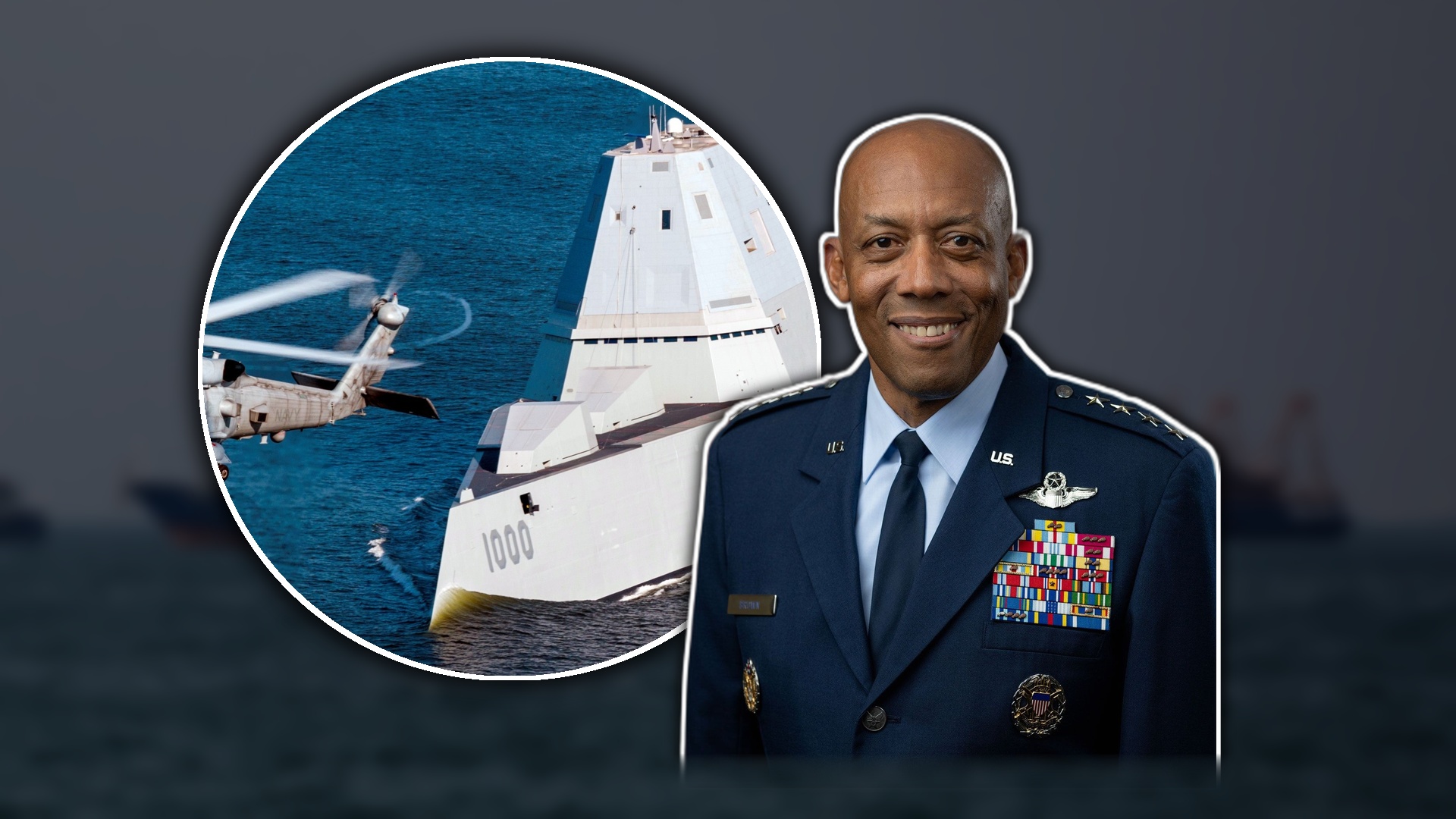
The Silence of the Strait
For decades, the Strait of Hormuz has been the world’s most vital carotid artery, a narrow passage where 20 million barrels of oil pulse through daily. This week, that pulse slowed to a crawl. Following five days of intensifying military hostilities, the U.S. naval blockade of Iranian ports has transformed one of the world’s busiest shipping lanes into a militarized dead zone. The physical reality of the blockade is immediate: crude oil prices have rocketed to one-month highs, and the 'geopolitical premium' that traders often whisper about has become a deafening roar.
This isn't just a military skirmish; it is a fundamental disruption of the global supply chain that threatens to undo months of cooling inflation. As the U.S. conducts airstrikes against Iranian targets and President Trump pledges to intensify the bombardment, the financial markets are grappling with a 'dual blockade' scenario: a U.S. seal on Iranian exports and an Iranian threat to any vessel brave enough to enter the Gulf.
The Cape of Good Hope is the New Normal
For logistics giants like Maersk and MSC, the blockade is a logistical nightmare that has rendered traditional shipping schedules obsolete. The industry is pivoting to the 'Cape of Good Hope Bypass,' a 4,000-mile detour around the southern tip of Africa. This isn't just a longer scenic route; it adds 10 to 14 days to transit times and burns through millions of dollars in additional fuel costs. The efficiency of the modern 'just-in-time' supply chain is being sacrificed at the altar of maritime security.
To mitigate the bottleneck, some carriers are attempting to establish 'Gulf Landbridge' networks. Cargo is being discharged at safe-haven ports like Salalah in Oman or Jeddah in Saudi Arabia, then trucked overland to landlocked destinations. However, these land routes can only handle a fraction of the volume that typically moves by sea. The result is a massive backlog of goods and a sharp spike in freight rates that will eventually find its way to the consumer's wallet.
The Geography of Survival
The pain of this blockade is not distributed equally. While the U.S. has achieved a level of energy independence that buffers it from the worst of the shock, East Asian economies—China, India, Japan, and South Korea—are staring down a crisis. Historically, 80% of the crude passing through the Strait is bound for Asian markets. For these nations, the blockade is an existential threat to industrial productivity.
China is already leaning into its land-based energy pipelines from Russia and Central Asia, but India and Japan remain highly exposed. We expect to see these nations aggressively secure long-term bilateral supply contracts with non-Gulf producers in Brazil, Guyana, and West Africa. This shift will likely command a permanent strategic premium for 'safe' oil—crude that doesn't have to run a gauntlet of drone strikes and sea mines to reach its destination.
The Fed’s Energy Trap
Perhaps the most dangerous casualty of the blockade is the Federal Reserve’s carefully calibrated 'soft landing.' The surge in crude prices is fueling broader inflation concerns at a time when the Fed was hoping to signal a pivot toward growth. Rising energy costs act as a regressive tax on consumers, cooling discretionary spending while simultaneously pushing up the cost of manufacturing and transport.
The Fed now faces a hawkish trap: if they raise rates to combat energy-driven inflation, they risk crushing an economy already struggling with supply chain disruptions. If they hold steady, they risk letting inflation expectations unanchor. This 'energy tax' on the economy is a silent bleed that could turn a localized conflict into a global recessionary catalyst.
The Death of Traditional Insurance
The blockade has also broken the traditional maritime insurance model. Traditional insurers are increasingly refusing to cover transits in the Persian Gulf, forcing shipping lines to rely on state-backed insurance schemes or 'voyage-by-voyage' risk assessments. This has created a stark divide in the tanker market: a 'mainstream' fleet that avoids the region entirely, and a 'shadow' fleet willing to brave the blockade for exorbitant freight rates.
Ultimately, the transition from 'crisis management' to 'structural adaptation' is underway. Whether it’s the acceleration of decarbonization in Europe or the build-out of massive overland pipelines in the Middle East, the world is moving to permanently strip out its vulnerability to the Strait of Hormuz. The blockade may eventually lift, but the global economy will never look the same again.
Check out our Interactive Charting Tool.