The Sovereign Compute Era: Why AI is Leaving Silicon Valley
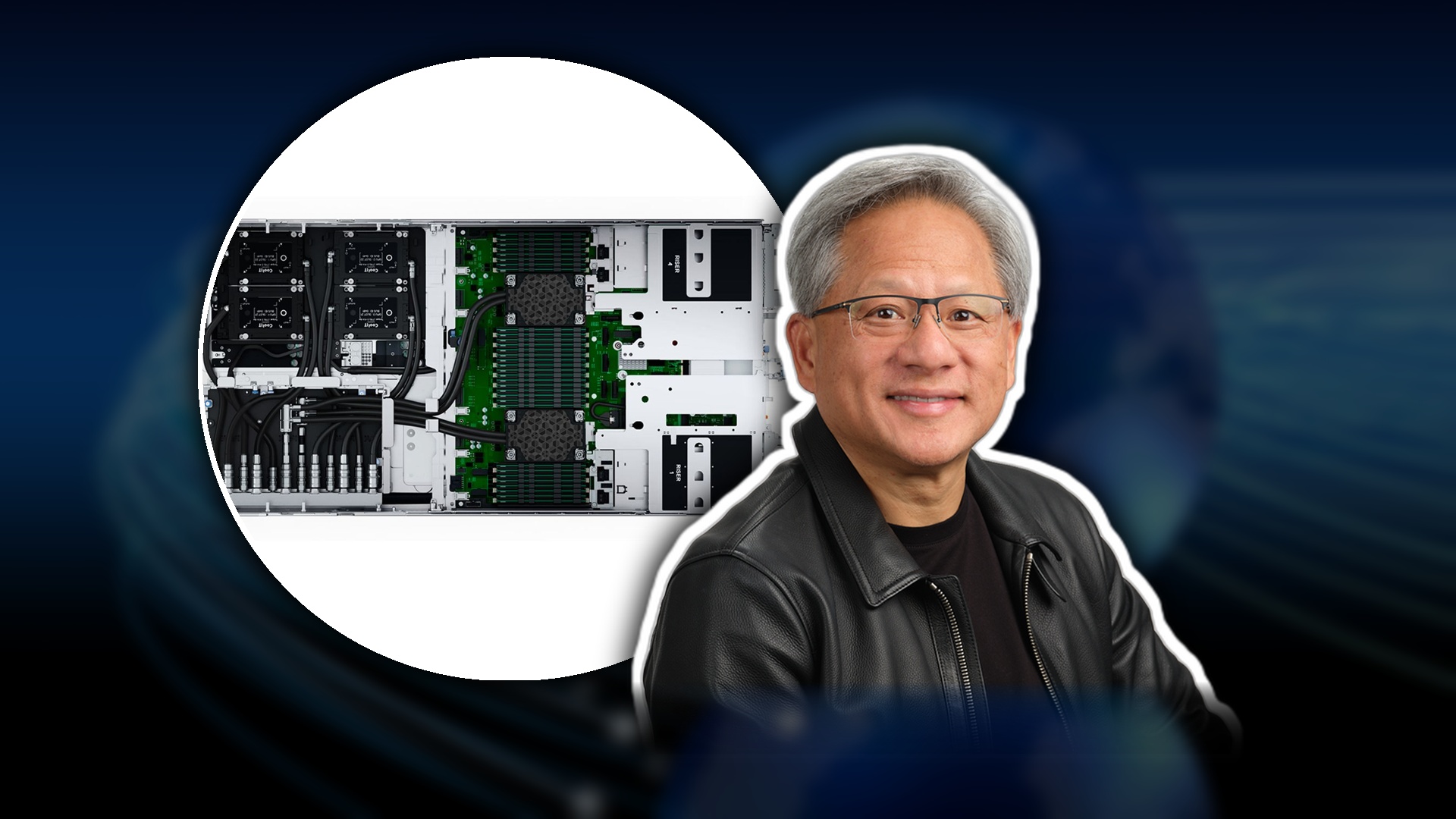
The Industrialization of Intelligence
For the past decade, the tech narrative was dominated by the ethereal: software, algorithms, and the cloud. But as we cross into the mid-2026 landscape, the 'Next Decade' of the global economy is being defined by a brutal return to the physical. We are witnessing the birth of the 'AI Factory'—massive, geographically dispersed gigafactories that treat compute not as a service, but as a sovereign industrial utility. The recent moves by Nebius to position itself as Europe’s local compute powerhouse and HIVE Digital’s $3.5 billion pivot from Bitcoin mining to a Toronto-based AI gigafactory are not isolated corporate expansions; they are symptoms of a structural migration.
This shift represents a fundamental decoupling from the Silicon Valley-centric model. By securing 320 MW of low-carbon power in Ontario, HIVE is bypassing the multi-year grid-connection queues that have paralyzed traditional data center hubs like Northern Virginia. This is the new economic moat: the ability to secure and weaponize legacy industrial power footprints for high-performance computing (HPC).
The Agentic Shift and the CPU Renaissance
While the market spent years obsessed with GPU counts, a subtle but profound architectural shift is occurring under the hood of the AI revolution. As we transition from simple token generation to 'Agentic AI'—autonomous systems that plan, execute, and call external tools—the demand for general-purpose logic has exploded. This has triggered what we at Narumi call the 'CPU Renaissance.'
Traditional AI training historically required an 8:1 ratio of GPUs to CPUs. However, agentic workflows spend the majority of their time on logic loops and system orchestration, pushing that ratio toward 1:1 in modern inference environments. This shift has revitalized Intel, as hyperscalers scramble for high-performance processors to manage the complex task-planning that GPUs simply aren't designed for.
The Connectivity Tax and the Fiber Moat
Building a gigafactory is useless if the intelligence it produces is trapped behind a bandwidth bottleneck. This is where the 'Connectivity Layer' becomes the ultimate gatekeeper of the AI economy. Fiber REITs like Uniti Group are reporting record bookings, including a $1.6 million Monthly Recurring Revenue (MRR) surge, as hyperscalers realize that massive data centers require unprecedented levels of 'dark fiber'—dedicated, unlit fiber optic lines that provide the low-latency backbone for model training.
For institutional investors, the key performance indicator (KPI) is no longer just revenue growth; it is the 'Initial Yield on Invested Capital' (YoIC). While legacy data centers targeted 10% yields, the current hyperscale demand is pushing yields toward 24-30%. The risk, however, is 'Balkanization.' As the EU AI Act and Canadian data residency laws tighten, infrastructure providers can no longer treat global compute as a single pool. They must build 'Sovereign Clouds' where data is processed entirely within national borders.
The Next Frontier: Energy Independence
The final stage of this structural shift will be the decoupling of AI from the public electrical grid. The most successful infrastructure players of the next decade will be those who solve the 'Energy Crisis' through direct co-location with nuclear power or Small Modular Reactors (SMRs). When a single factory like Nebius’s Pennsylvania site demands 1.2 GW of power—enough to fuel a small city—the grid becomes a liability. The winners will be the 'Energy-Sovereign' operators who own their power source, their silicon, and their fiber, creating a vertically integrated moat that even the largest tech giants will struggle to cross.
Check out our Interactive Charting Tool.