The Silicon Squeeze: Korea’s Rate Hike Hits Samsung and SK Hynix
The Morning the Music Stopped in Seoul
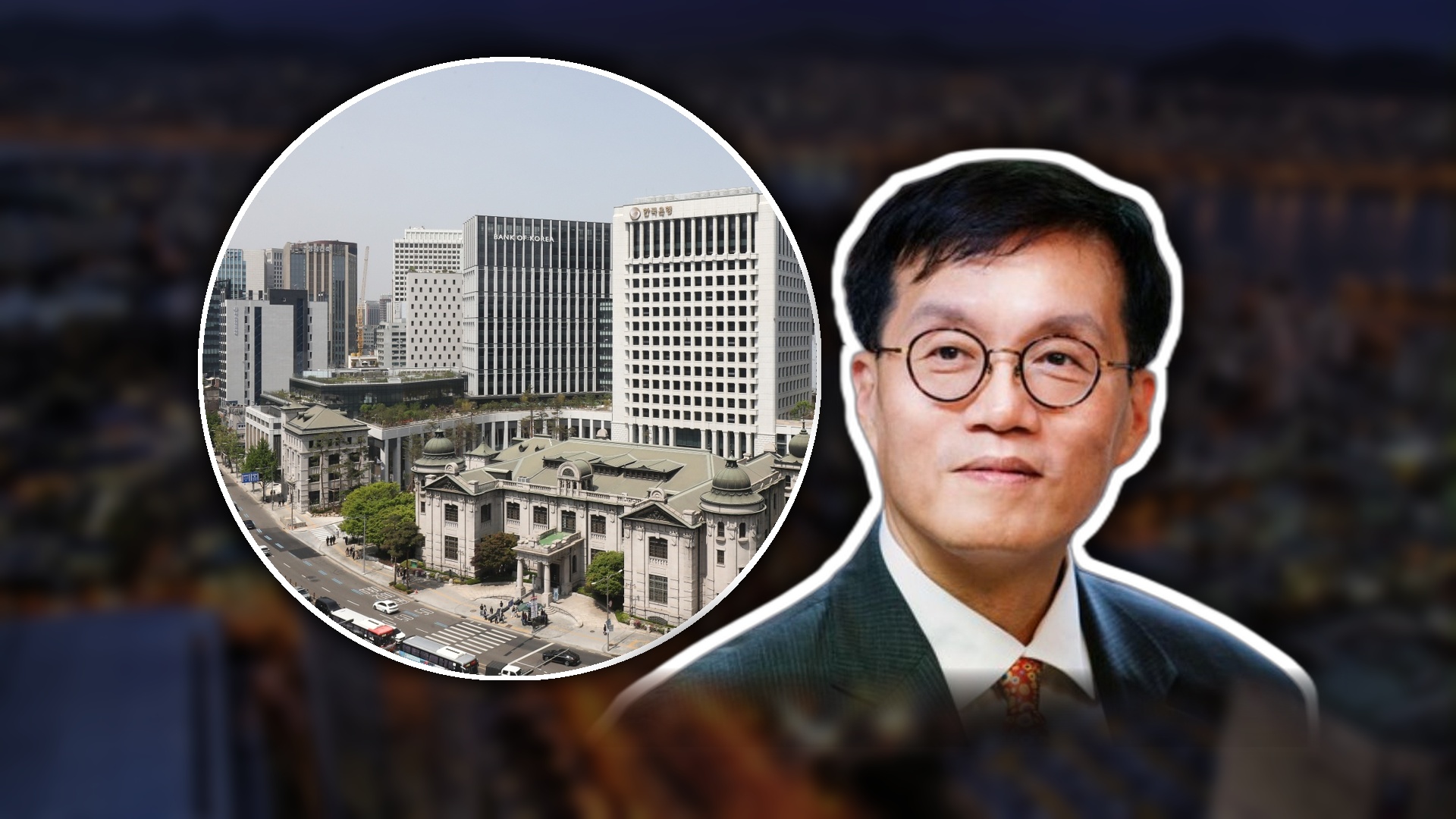
The air in the Yeouido financial district was already thick with tension as news of escalating conflict between the U.S. and Iran trickled through the terminals. But it wasn't the geopolitical drumbeat alone that sent a shiver through the Korean markets on July 16, 2026. It was the silence from the Bank of Korea (BOK) that broke first, followed by a thunderclap: a surprise interest rate hike, the first since 2023. The move, designed to curb a sudden inflationary spike fueled by shipping disruptions in the Strait of Hormuz, acted as a localized earthquake. Within hours, the Kospi had cratered 6.6%, and the crown jewels of the Korean economy—Samsung Electronics and SK Hynix—saw their valuations slashed by double digits.
Samsung’s Internal ATM vs. The Market’s Wrath
For Samsung Electronics ($SSNLF), the narrative has always been one of the 'Cash Fortress.' While the market panic suggests a fundamental breakdown, the reality inside the Suwon headquarters is more nuanced. Samsung sits on a mountain of retained earnings that would make most central banks envious. Unlike its more leveraged peers, Samsung’s strategy is countercyclical by design. When the cost of debt rises, Samsung doesn't head to the bond market; it heads to its own vault. This insulation allows Samsung to continue pouring capital into its logic and foundry divisions even as domestic liquidity dries up. However, even a fortress can be besieged. The 'Fundamental Disconnect' here isn't about solvency; it's about the hurdle rate. With the BOK tightening the screws, the internal rate of return required for Samsung’s massive fab expansions just moved the goalposts.
SK Hynix and the Great Nasdaq Escape
The contrast with SK Hynix ($HXSCL) couldn't be more stark. Historically the more leveraged of the two, SK Hynix found itself staring down the barrel of a domestic credit crunch just as the High-Bandwidth Memory (HBM) arms race reached a fever pitch. But Hynix’s management isn't waiting for a bailout. In a move that signaled a permanent shift in how Korean tech giants view domestic capital, SK Hynix executed a historic $26.5 billion U.S. offering and ADR listing on the Nasdaq. By tapping into the deep pools of American liquidity, Hynix has effectively bypassed the BOK’s tightening cycle. This 'Nasdaq Escape Hatch' provides the non-dilutive capital necessary to bankroll their expensive AI HBM packaging without being strangled by won-denominated debt. It is a bold, aggressive pivot that leaves them less vulnerable to regional volatility than their stock price crash would suggest.
The 800 Trillion Won Elephant in the Room
Looming over this financial drama is the South Korean government’s ambitious 800 trillion won ($520 billion) semiconductor mega-cluster. This public-private partnership was supposed to be the bedrock of Korea’s tech future. However, the BOK’s hawkish turn puts the financing of this mega-cluster into question. While the government provides the land and the permits, the 'Big Two' provide the CapEx. As the cost of capital increases, the timeline for this mega-cluster is likely to stretch. This creates a strategic opening for non-Korean rivals like TSMC or Intel, who are not currently facing the same localized monetary headwinds. The risk is no longer just about quarterly earnings; it's about whether the 'Silicon Shield' of Korea can maintain its lead while its own central bank is forced to prioritize currency stability over industrial dominance.
The Institutional Exodus: A Permanent De-rating?
Institutional investors are not waiting for the dust to settle. The 6.6% crash in the Kospi was driven by a massive rotation out of Asian tech heavyweights. The fear among the smart money is that the combination of geopolitical shipping risks and hawkish monetary policy represents a 'permanent de-rating' of Korean assets. If the BOK continues this tightening cycle, the valuation gap between the 'Cash-Rich' Samsung and the 'Global-Pivoting' SK Hynix will likely widen. Investors are now looking beyond the immediate sell-off to identify a cyclical bottom. For Samsung, that bottom will be found when the market realizes their internal cash flow is a better hedge than any government bond. For SK Hynix, the bottom will be defined by the success of their U.S. capital strategy. In this new era of expensive money, the winner won't be the one with the best chips, but the one with the smartest way to pay for them.
Check out our Interactive Charting Tool.