The Long Way Around: The End of Cheap Energy Logistics
The Death of the Shortcut
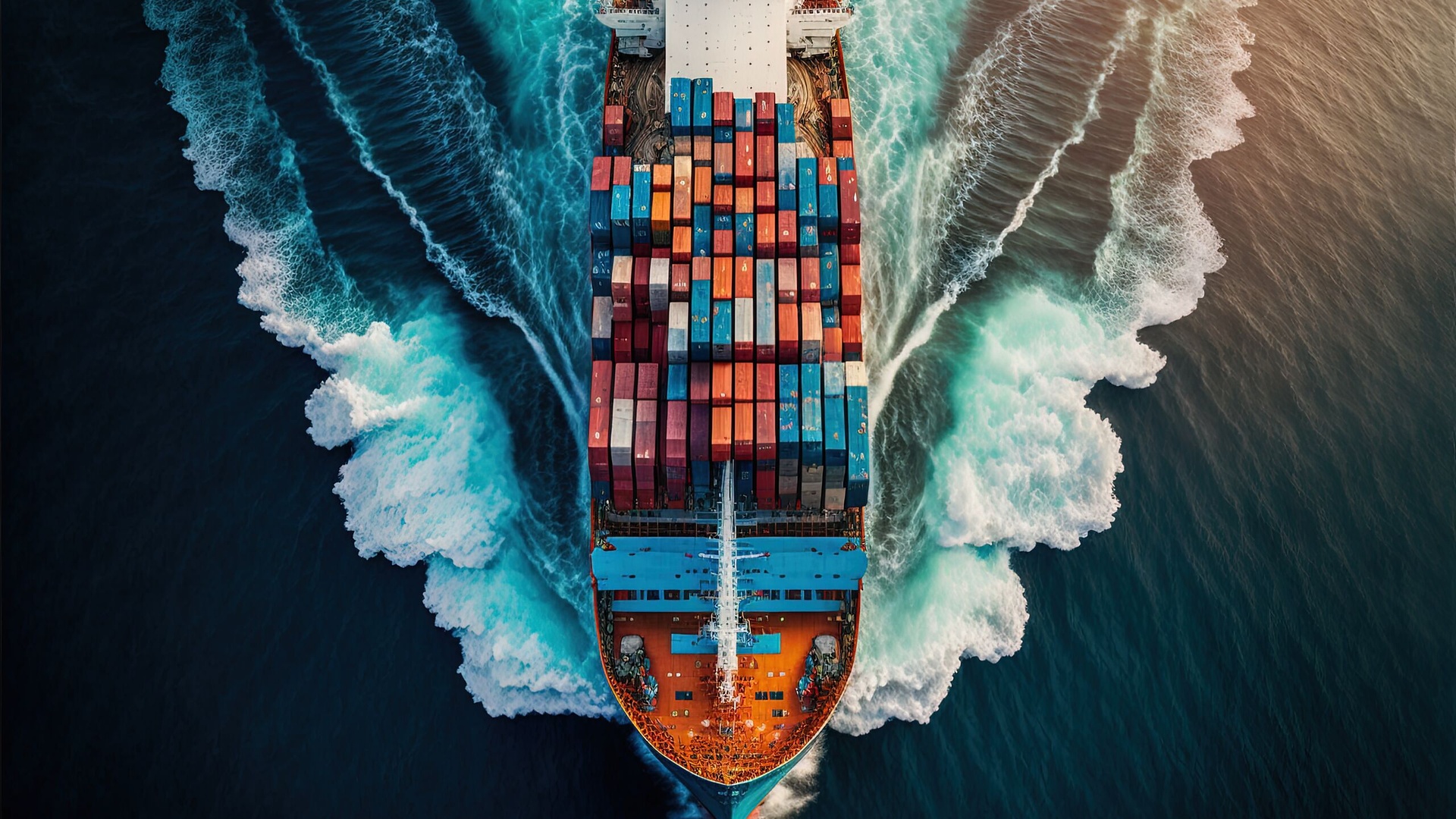
For decades, the global economy has hummed on the efficiency of narrow strips of water. The Bab el-Mandeb and the Strait of Hormuz weren't just geographical features; they were the high-speed arteries of the 'Just-in-Time' world. That world ended this week. As escalating conflicts in the Middle East force the world’s tanker fleet to abandon the Red Sea in favor of the Cape of Good Hope, we aren't just looking at a temporary detour. We are witnessing the permanent re-engineering of global trade, where the 'efficiency' of the Suez Canal is being traded for the 'security' of the open ocean—at a price the consumer hasn't yet grasped.
The math is brutal. Bypassing the traditional Middle Eastern chokepoints adds roughly 3,500 to 5,000 nautical miles to a standard voyage from the Persian Gulf to Europe. This isn't just a line on a map; it is a massive 'ton-mile' demand surge that is swallowing vessel capacity whole. As transit times balloon, the operational baseline for moving crude oil and Liquefied Natural Gas (LNG) is being reset at a significantly higher floor.
The $100 Barrel Tax and the Fed's Dilemma
Brent crude is currently flirting with the $100 mark, a level that acts as a psychological and economic tripwire. But the price of the commodity is only half the story. The 'silent bleed' in the energy sector is the explosion of war-risk insurance premiums. In some high-risk zones, marine hull insurance has jumped by over 1,000 percent. These aren't just corporate expenses; they are structural inflationary pressures that the Federal Reserve cannot ignore. While the Fed has spent years fighting domestic wage-price spirals, it now faces an external supply-side shock that no interest rate hike can solve. The pressure to raise rates is mounting, even as the higher cost of energy threatens to cool the very growth the Fed is trying to protect.
For the energy giants, the strategy has shifted from 'drill more' to 'protect what we have.' We are seeing a selective realignment of Capital Expenditure (CapEx). Instead of chasing high-risk offshore projects in vulnerable corridors, the smart money is flowing into 'fast-cycle' assets in the U.S. Permian Basin and offshore Latin America. The goal is simple: shorten the distance between the wellhead and the end-user. The era of the global energy free-for-all is being replaced by a regionalized, fortress-style supply chain.
Airlines: Flying on Fumes and Hope
If the energy producers are the winners in this high-volatility environment, the airlines are the clear casualties. Jet fuel historically accounts for roughly 30% of a carrier’s operating expenses. With availability tightening globally, U.S. airlines have begun slashing earnings guidance with a frequency that is making investors twitchy. The conflict here is one of timing. While some European carriers were smart enough to lock in hedges for 70% of their needs, many domestic network carriers are currently 'naked' against the spot market.
The industry is currently engaged in a multi-billion-dollar gamble. Some legacy carriers are strategically delaying their 2027 hedging contracts, betting that diplomatic resolutions will deflate prices before they have to commit. It is a high-stakes game of chicken with the futures market. In the meantime, the burden is being passed to the traveler. Expect to see 'fuel surcharges' return to your boarding pass with a vengeance, as airlines use capacity discipline—essentially flying fewer planes—to support the yield pricing necessary to survive $100 oil.
The Land-Based Pivot: Bypassing the Sea
In the boardroom of every major Gulf producer, the conversation has shifted to overland infrastructure. The Habshan-Fujairah pipeline in the UAE and Saudi Arabia’s East-West pipeline to Yanbu are no longer just backup plans; they are now the primary strategic priorities. These projects aim to bypass the Strait of Hormuz entirely, discharging crude into the Red Sea or the Gulf of Oman. However, land-based alternatives bring their own set of headaches. Pipelines are fixed targets, vulnerable to regional sabotage, and they lack the sheer volume capacity of the Ultra-Large Crude Carriers (VLCCs) that once dominated the straits.
The long-term takeaway for investors is a move toward 'Decentralized Maritime Security.' The old model of localized chokepoint defense is being replaced by the need for vast, multilateral naval patrols across thousands of miles of open sea around the Cape. This redistribution of leverage favors suppliers in the Americas and regions less entangled in the Middle Eastern flashpoints. For the market, the 'geopolitical risk premium' is no longer a temporary spike; it is the new cost of doing business.
Check out our Interactive Charting Tool.