The Hormuz Toll: Why the Global Energy Map Just Redrew Itself
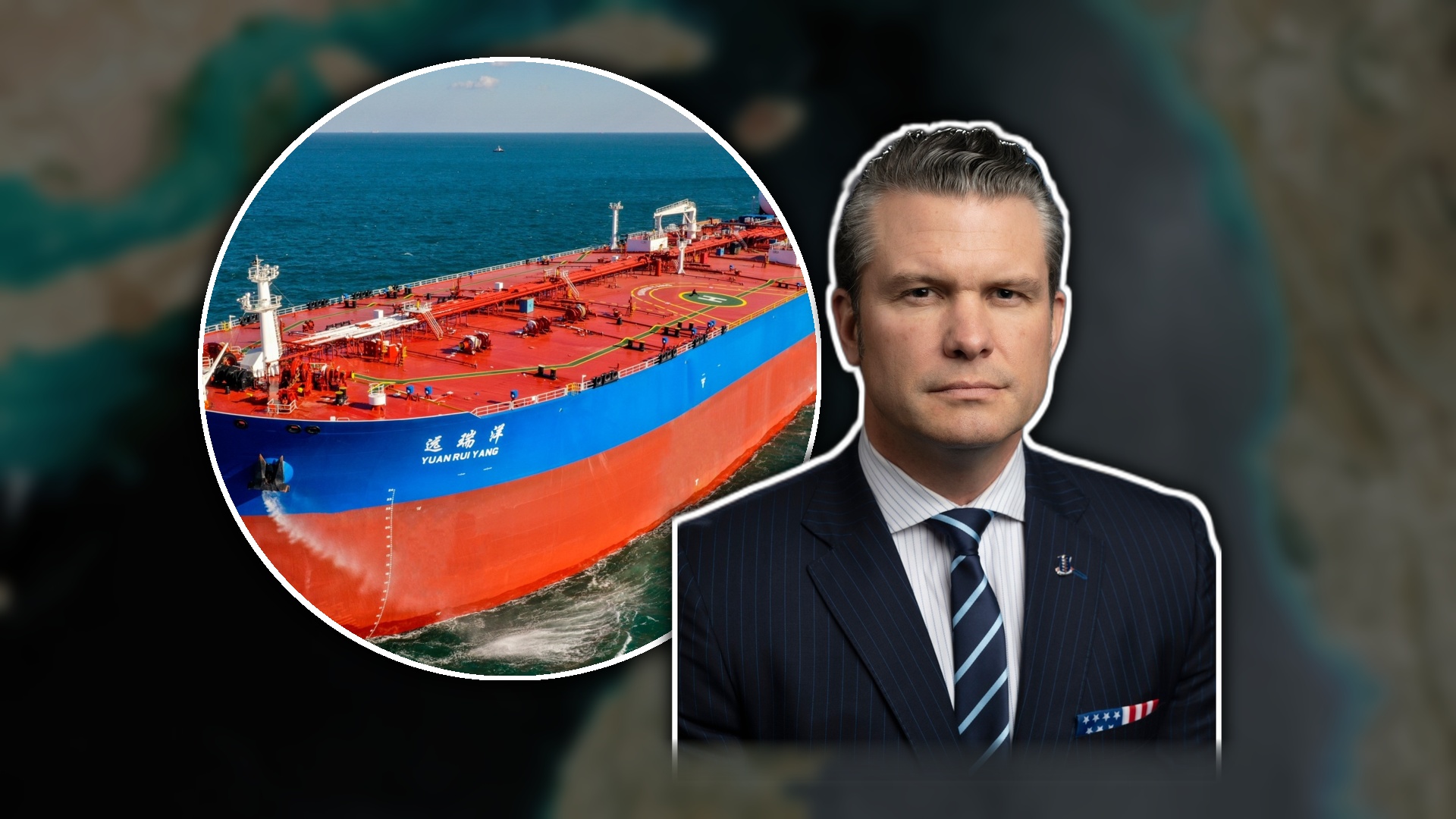
The Midnight Flare in the Strait
The fragile peace of June 2026 didn't just break; it evaporated in a sequence of precision-guided munitions. As U.S. retaliatory airstrikes illuminated Iranian military installations along the coast, the financial reverberations were felt instantly in the sterile trading floors of London and New York. This isn't just another geopolitical tremor; it is a structural fracturing of the global energy architecture. The Strait of Hormuz, a chokepoint responsible for nearly a quarter of the world’s seaborne crude, has effectively become a high-stakes toll booth where the currency isn't just dollars—it's survival.
While Brent and WTI benchmarks saw an immediate, visceral spike of 3%, the real story isn't the headline price. It’s the quiet, aggressive repricing of risk by the men and women who actually move the world's oil. Insurance underwriters have moved from cautious observers to the ultimate gatekeepers of maritime commerce.
The Insurance Wall and the Death of the Margin
For decades, war-risk insurance was a rounding error, a negligible 0.001% of a vessel's value. That era ended this week. Underwriters have jacked Additional War Risk Premiums (AWRP) to as high as 4% for a seven-day policy. For a Long Range tanker, we are talking about an extra $250,000 just to cross the threshold of the Gulf. This isn't a cost that can be absorbed; it’s a cost that is being violently passed down the supply chain.
This "Hormuz Tax" is creating a bizarre, bifurcated market. Vessels flying U.S. or British flags are now toxic assets in the eyes of insurers, facing steeper penalties or outright denials. Logistics firms are no longer operating on schedules; they are operating in convoys, tethered to U.S. naval escorts, or taking the long, expensive way around the Cape of Good Hope, adding 14 days of burning fuel and mounting interest to every voyage.
The Great Institutional Rotation
Inside the boardrooms of the world's largest energy funds, the strategy has shifted from growth to preservation. The smart money is fleeing high-beta, pure-play Exploration and Production (E&P) firms—those vulnerable to localized infrastructure shocks—and piling into the "Balance Sheet Fortresses" of the supermajors.
Institutional investors are betting on the vertically integrated giants like ExxonMobil and Chevron. These behemoths aren't just oil companies; they are internal hedges. When the cost of crude spikes and squeezes independent refiners, the supermajors capture the value further down the pipe. Their geographic diversification—heavy on Permian shale and deepwater assets in Guyana—allows them to bypass the Hormuz bottleneck entirely. They offer a "dividend shield" that high-beta drillers simply cannot match in a stagflationary environment.
A Tale of Two Coasts: USGC vs. Europe
The crisis is also exposing a widening gulf between refining hubs. In the U.S. Gulf Coast (USGC), the mood is one of grim opportunism. USGC refiners are running at 95% utilization, feasting on insulated domestic shale and exporting high-margin jet fuel and diesel to a world suddenly starved of Middle Eastern refined products.
Europe, meanwhile, is caught in a pincer movement. While their crack spreads look lucrative on paper, their actual net profitability is being cannibalized by the astronomical cost of sourcing alternative crude and the soaring price of natural gas required for desulfurization. For Europe, the "Hormuz Premium" is a tax they can ill afford to pay.
The Methane Trap and the Shale Paradox
Back in the Permian Basin, the pressure to drill is reaching a fever pitch. Policymakers in D.C. have pivoted to an "energy security first" posture, but domestic producers are walking a tightrope. Even as the administration begs for more barrels, the 2026 federal methane standards remain a legal minefield. Operators are being forced to choose between ramping up production to meet the global crunch and the risk of massive compliance fines for inadequate flare-gas monitoring.
Furthermore, there is the "Peace-Deal" risk. Shale is a short-cycle game. If a diplomatic breakthrough occurs and the shadow fleet of Iranian oil returns to the market, those who spent big on CapEx today will be left holding the bag. The market is no longer just watching the oil rigs; it’s watching the July 17 OFAC wind-down deadline. If the U.S. Treasury successfully freezes the escrow accounts of Tehran’s buyers, we aren't just looking at a temporary spike—we are looking at a permanent floor for energy prices for the foreseeable future.
Check out our Interactive Charting Tool.