The Hormuz Noose: Why Big Oil’s $100 Crude is a Poisoned Chalice
The 20% Chokehold
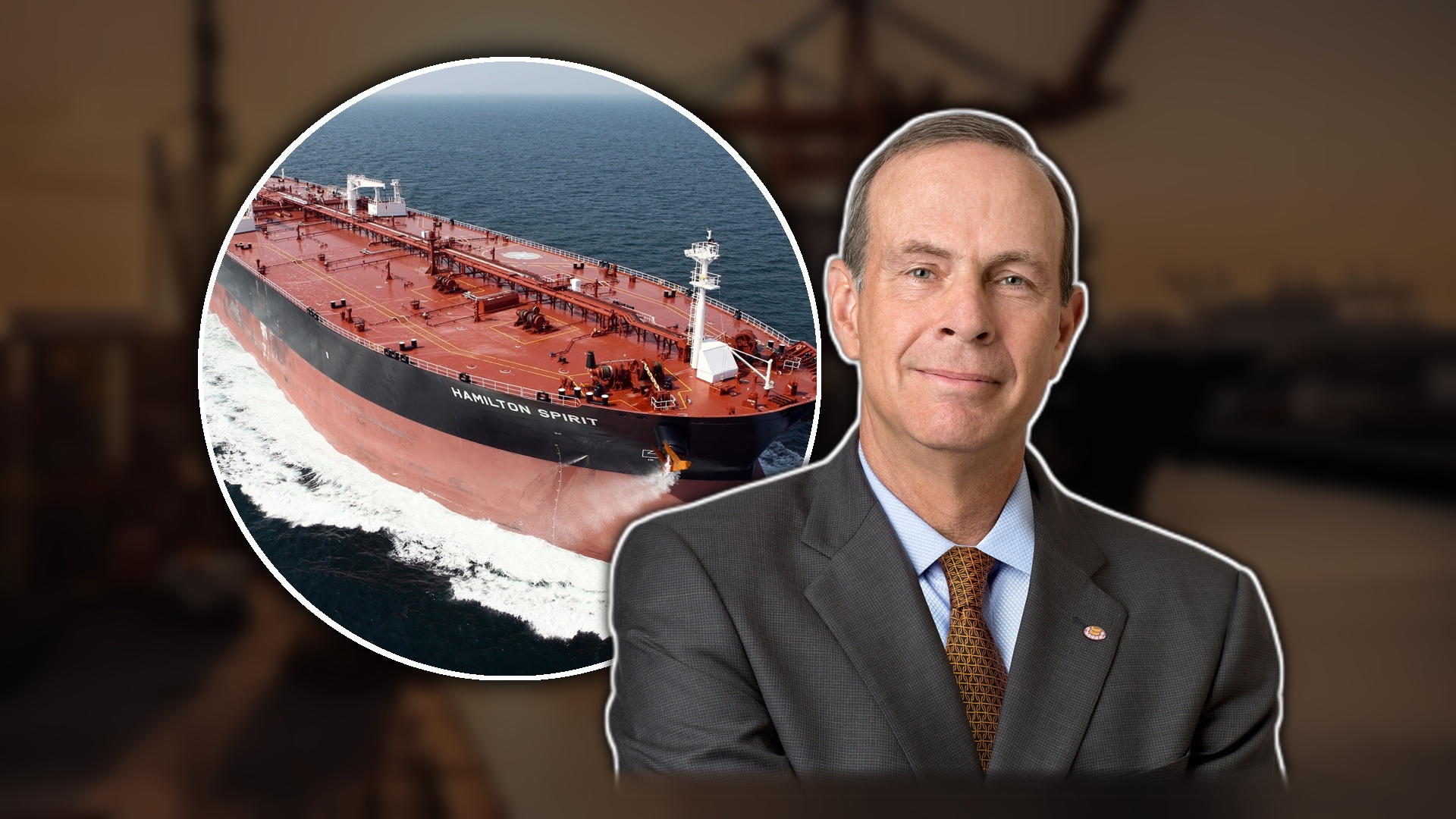
The dawn over the Persian Gulf on July 14, 2026, didn't bring the usual silhouette of VLCCs (Very Large Crude Carriers) steaming toward the Arabian Sea. Instead, the world woke to the news of a reinstated U.S. naval blockade and precision strikes on Iranian infrastructure. The reaction in the pits was instantaneous: Brent and WTI crude surged 10%, a violent re-pricing of global risk that effectively placed a noose around the world's most critical energy artery. With 20% of the world’s petroleum and a massive chunk of LNG transit now a combat zone, the narrative for the energy supermajors has shifted from 'orderly transition' to 'geopolitical survival.'
For Woodside Energy ($WDS), ExxonMobil ($XOM), and Shell ($SHEL), this isn't just a price spike—it’s a fundamental restructuring of where they can afford to put their capital. While the headlines scream of record profits, the view from Narumi AI’s investigative desk suggests a more complex reality: a silent bleed of operating margins and a looming regulatory pincer movement from Washington to Brussels.
The Permian Fortress vs. The Maritime Maze
ExxonMobil has spent the last three years building a fortress in the Americas, a strategy that now looks prophetic. By doubling down on the Permian Basin and Guyana, XOM has effectively de-risked its upstream portfolio from Middle Eastern volatility. However, the financial data reveals a company that was already seeing its efficiency metrics tested before this crisis. In Q3 2023, Exxon’s operating margin sat at a healthy 15.1%. By Q4 2025, that margin had eroded to approximately 9.7%, as production and manufacturing expenses ballooned from $8.7 billion to over $12.1 billion in the same period.
While Exxon pivots to its domestic 'Fortress America' strategy, Shell ($SHEL) finds itself in a maritime maze. Shell’s heavy reliance on Qatari LNG and the Pearl GTL project makes it the most vulnerable of the trio to a prolonged Hormuz blockade. Every day the Strait remains closed, Shell’s integrated gas portfolio faces 'safety tariffs' and rerouting costs that could decapitate its quarterly free cash flow.
Woodside’s Australian Arbitrage
In the quiet corners of the Indo-Pacific, Woodside Energy ($WDS) is emerging as the ultimate geopolitical haven. Unlike its Atlantic Basin peers, Woodside’s primary assets—Scarborough and Pluto Train 2—are geographically insulated from the Persian Gulf's chaos. For Asian buyers in Tokyo and Seoul, Woodside represents a 'security of supply' that neither Shell nor Exxon can currently guarantee from their Middle Eastern outposts.
Institutional investors are already signaling a sector rotation. While consumer discretionary stocks are being sold off as a 'tax on the consumer,' capital is flowing into WDS as a pure-play hedge. The 'Reward Upgrade' for Woodside isn't just about the price of gas; it’s about the jurisdictional de-risking. When the world is on fire, the company with the most stable shipping lanes wins. Woodside is currently that company, commanding a scarcity premium that is likely to persist as long as the blockade holds.
The Washington Pincer: A Windfall with Strings
The irony of the current situation is that the very administration triggering the price spike is now launching investigations into 'price gouging.' President Trump has reportedly ordered the DOJ to probe ExxonMobil and its peers, focusing on the asymmetry between crude spikes and pump prices. This political theater creates a significant 'valuation ceiling' for these stocks.
Exxon’s cash position has already been under pressure, dropping from $32.9 billion in Q3 2023 to just $10.7 billion by the end of 2025. With a lower cash buffer, the threat of 'windfall profit taxes' in Europe and aggressive antitrust probes in the U.S. could force these companies to curb the very share buybacks that have supported their stock prices over the last year.
The Final Verdict
We are witnessing the end of the 'globalized energy' era. The blockade of the Strait of Hormuz has forced a realization that CapEx is no longer about finding the largest reserves; it is about securing the safest transit corridors. Woodside ($WDS) stands to be the primary beneficiary of this shift, acting as a safe-haven supplier to the energy-starved Asian markets. ExxonMobil ($XOM) will survive through its domestic scale, but its margins will be the battlefield for a populist administration. Shell ($SHEL), meanwhile, must find a way to reroute its future, or risk being left behind in the Middle Eastern smoke.
Check out our Interactive Charting Tool.