The Hormuz Noose: Why $108 Oil is Just the Beginning
The Silent Artery
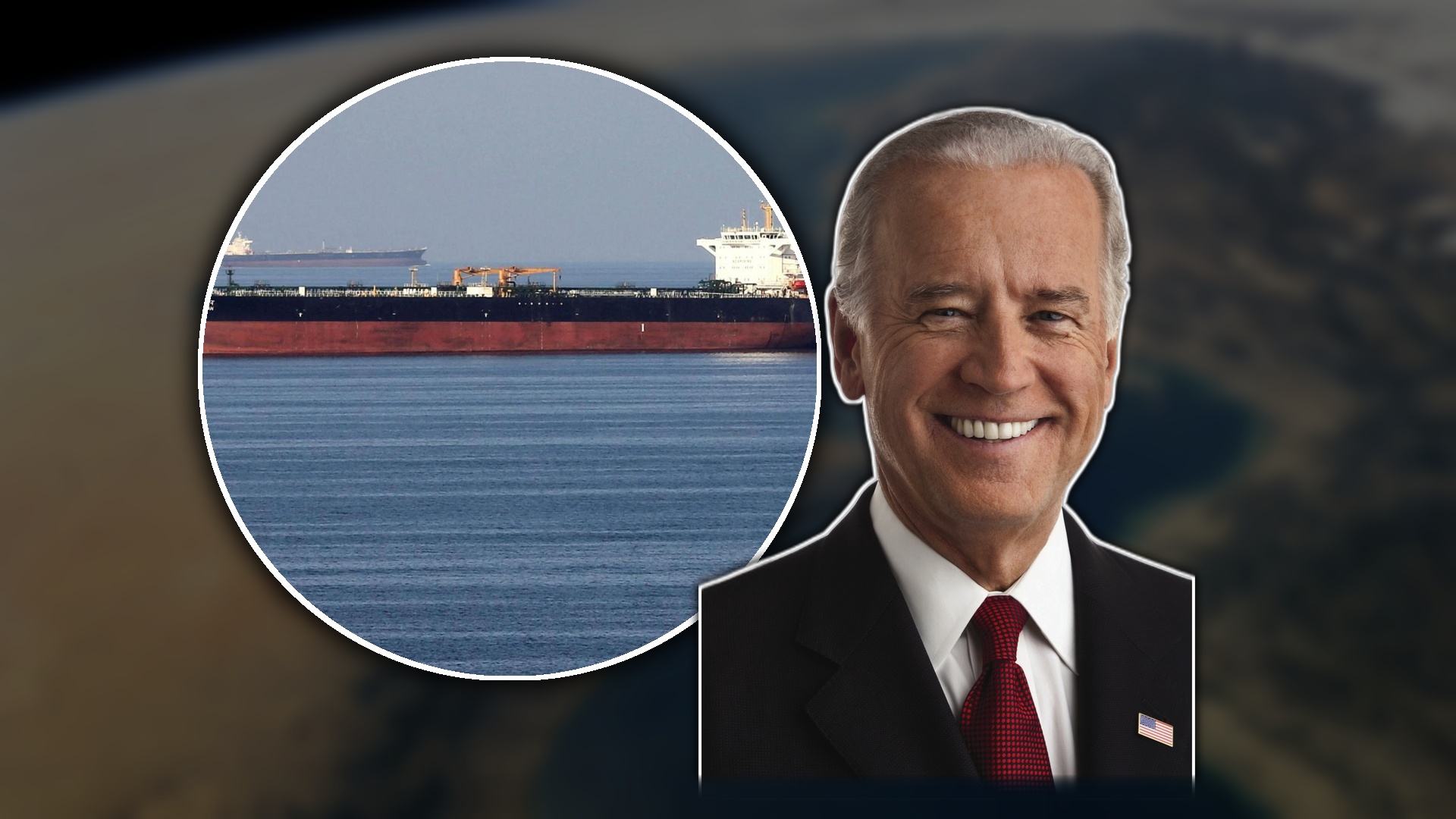
The Strait of Hormuz has always been the world’s most precarious choke point, a narrow strip of water where the global economy’s lifeblood—14.5 million barrels of oil a day—must pass. Today, it is a graveyard of commercial ambition. Following U.S.-Israel strikes on Iran, the waterway has effectively closed, sending Brent crude screaming to $108 a barrel and leaving the 'just-in-time' energy model in tatters. While Treasury Secretary Scott Bessent projects an image of 'absolute control,' the reality on the water is far more chaotic. The Navy can clear mines, but it cannot clear the actuarial ledgers of London’s insurance giants.
The Mirage of 'Absolute Control'
The conflict today isn't just between kinetic forces; it’s between geopolitical bravado and market reality. Secretary Bessent’s claims of U.S. dominance over the Strait ignore the 'Insurance Death Spiral.' Even with naval escorts, private insurers like Lloyd’s of London have largely categorized the Persian Gulf as a 'non-covered' zone. Without Protection and Indemnity (P&I) coverage, a tanker is little more than a multi-billion-dollar liability floating in a combat zone.
This disconnect has created a 'Conflict Premium' of $15 to $20 baked into every barrel. We are no longer trading on supply and demand; we are trading on the probability of a total regional meltdown.
The Canary in the Jet Stream
While the headlines focus on the Strait, the carnage is already visible on the balance sheets of corporate America. The collapse of Spirit Airlines in April 2026 serves as the ultimate cautionary tale. A 56.4% spike in jet fuel spending in a single month turned a struggling carrier into a liquidation statistic. But Spirit is just the beginning. Major carriers like American and Alaska are aggressively slashing routes, effectively removing 2 million seats from global schedules to preserve what’s left of their margins.
The Fed’s 'Stagflationary' Pivot
For months, Wall Street salivated over the prospect of a 2026 rate-cutting cycle. Those dreams died in the Strait. With U.S. gasoline prices hurtling toward $4 a gallon, the Federal Reserve is trapped. The 'Hormuz Shock' has effectively reset the inflation trajectory, forcing the Fed to maintain a 'Hawkish Hold' even as GDP growth begins to stall. This is the definition of stagflation: rising costs meeting slowing demand.
Institutional investors are reacting by rotating into 'HALO' stocks—Heavy Assets, Low Obsolescence. They are fleeing growth tech and diving into Atlantic Basin producers like ExxonMobil and Chevron, which are decoupled from the Middle Eastern bottleneck. The market is betting that the 'Energy Land Bridge'—rail and pipeline projects bypassing the Gulf—will become the new infrastructure priority for the next decade.
The Fortress Energy Model
The long-term strategic implication is the death of the globalized energy market as we knew it. Nations are moving toward a 'Fortress Energy' model. The traditional 90-day strategic reserve is being viewed as dangerously inadequate; 180-day or even 365-day mandates are now being discussed in the halls of the EU and the IEA. This shift isn't just about security; it's a massive, regressive tax on global capital. Money that should be flowing into innovation is now being buried in salt caverns and storage tanks.
The Verdict: A Binary Future
As of May 7, 2026, the market is in a state of high-tension equilibrium. Brent has dipped slightly to $101 on rumors of Pakistan-mediated talks, but this is a fragile peace. If Tehran rejects the framework by May 9, we are looking at a parabolic move toward $150. For the veteran investor, the signal isn't in the White House press briefings—it’s in the 'War Risk' designations from London. Until the first unescorted tanker clears the Strait with full private insurance, the Hormuz Noose remains tight, and the global economy is just one drone strike away from a deep recession.
Check out our Interactive Charting Tool.