The Hormuz Noose: Global Trade’s Brutal Pivot to the Security Premium
The Ghost of 1973 Haunts the Strait
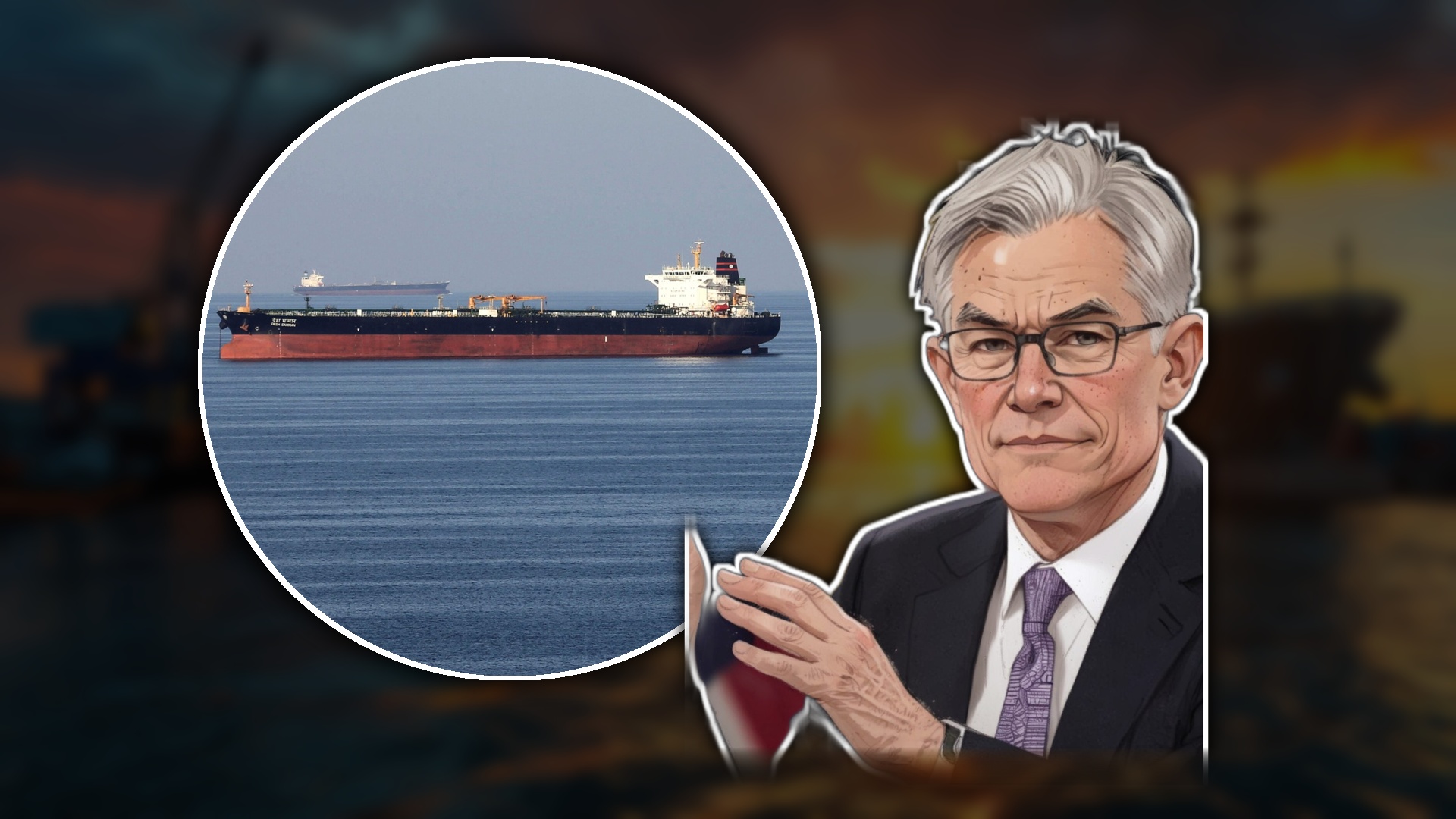
The dawn over the Strait of Hormuz no longer brings the steady thrum of global commerce, but a haunting, expensive silence. With nearly 20% of the world’s seaborne oil effectively held hostage by a naval blockade, the global economy has entered a state of 'reflexive waiting.' This isn't just another geopolitical tremor; it is the most significant energy disruption since the 1970s. Brent crude has pierced the $126-per-barrel ceiling, and for the C-suites of Wall Street, the math is becoming monochromatic. The efficiency premium we’ve enjoyed for decades—the ability to move goods cheaply and predictably—has been replaced by a 'security premium' that is rewriting the rules of the game.
The immediate carnage is visible in the skies. U.S. airlines are already grappling with over $6 billion in added fuel expenses, but the rot is spreading far deeper into the global supply chain. This is no longer a localized conflict; it is a structural repricing of everything from Midwestern corn to Silicon Valley chips.
The Cape of Good Hope is the New Normal
For decades, logistics giants like Maersk and MSC optimized their fleets for the surgical precision of the Suez and Hormuz chokepoints. That era is over. These maritime titans are now baking the Cape of Good Hope route into their permanent schedules for Asian-European trade. It is a desperate, 14-day detour that sacrifices speed for the relative safety of open waters. This 'strategic elevation' of trade routes means that the extra fuel burn isn't a temporary spike—it's a permanent line item.
While the giants can leverage their 'mega-vessels' to find economies of scale even on longer routes, smaller carriers are being squeezed out. We are seeing a massive rediversification into the 'Middle Corridor'—a rail-and-sea hybrid connecting China to Europe via Central Asia. It’s an expensive, logistically complex pivot, but in a world where the Strait is a no-go zone, the Trans-Caspian International Transport Route is no longer a backup plan; it’s the lifeline.
The Dollar's Dangerous Coronation
In times of chaos, the world runs to the Greenback. But the current 'flight to safety' is a double-edged sword that could eventually cut the hands of those holding it. The U.S. Dollar is enjoying a surge in demand, yet this safe-haven status is creating a 'Dollar Trap' for emerging markets. With oil priced in USD and the dollar strengthening, commodity-importing nations like India and Turkey are facing a coordinated assault on their balance sheets. They are paying more for oil because of the blockade, and even more because their local currencies are crumbling against the dollar.
For the S&P 500, the news is equally grim. Roughly 40% of revenue for these firms comes from overseas. A 'too strong' dollar acts as a stealth tax on U.S. exports, making Boeing aircraft and American grain prohibitively expensive for foreign buyers. This creates a 'valuation trap' where U.S. stocks look expensive even as their global market share begins to erode under the weight of their own currency's strength.
The Great Margin Bifurcation
The 2026 'Hormuz Shock' has effectively bifurcated the corporate landscape into the predators and the prey. On one side, we have the 'Power Brands'—mega-caps in consumer staples and industrial goods with the brand equity to pass through costs to the consumer. They are capturing market share as smaller competitors, unable to absorb a 60% jump in inventory-associated costs, face bankruptcy or forced acquisitions.
On the other side are the 'Low-Margin Disruptors.' The growth-at-all-costs model that fueled the last decade of startups has collapsed. When diesel hits $5.45 a gallon and air freight costs double, you can no longer subsidize shipping to gain users. The 'efficiency gap' has become a weapon; companies that transitioned to renewable-powered manufacturing or EV fleets prior to the crisis are now keeping their prices flat while their oil-dependent rivals are forced into 'emergency surcharges.'
A Higher-for-Longer Mandate
Institutional sentiment has moved past the 'temporary shock' thesis. The Federal Reserve is now staring down a stagflationary monster. Inflation fears stemming from these energy disruptions are prompting a 'higher-for-longer' interest rate narrative that is now a central market assumption. Institutional investors are rotating out of corporate bonds and into short-duration T-Bills, seeking shelter from the price sensitivity of long-term debt.
The roadmap for the rest of 2026 depends on a few critical catalysts. Watch the 'Naval Escort' threshold—if a multi-national task force can credibly secure the Strait, we might see the 'war risk' premium evaporate. But if inventory depletion continues and the U.S. Strategic Petroleum Reserve thins, we could see a scarcity spike toward $150. For now, the 'Hormuz Noose' remains tight, and the market is learning that the only thing more expensive than a secure supply chain is one that doesn't exist at all.
Check out our Interactive Charting Tool.