The Hormuz Chokepoint: A New Era of Economic Siege
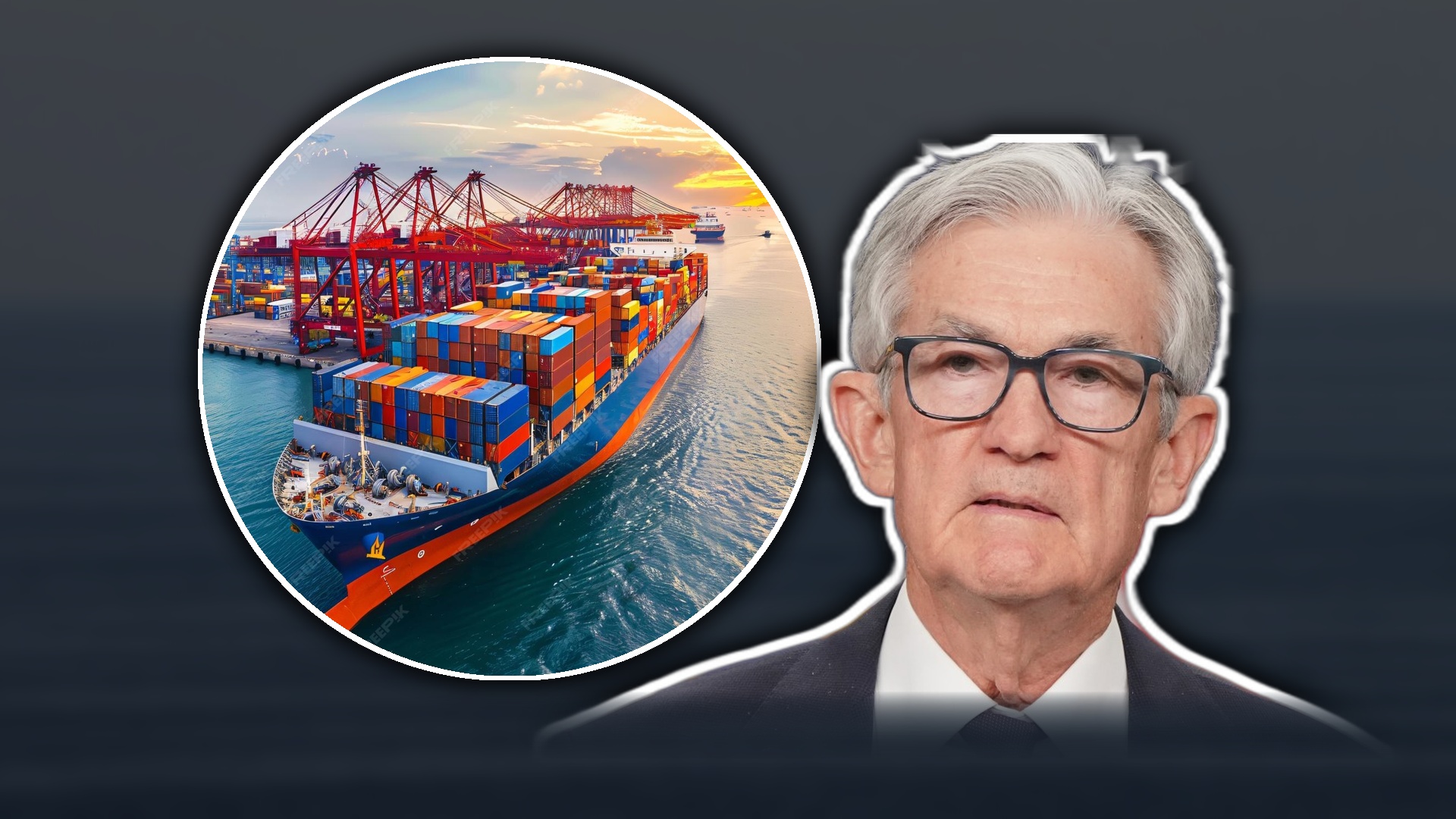
The Great Decoupling of Global Trade
The closure of the Strait of Hormuz is no longer a localized geopolitical flashpoint; it has become a systemic shock, effectively rewriting the playbook for global commodity trade. With roughly 6% of the world's sugar trade and critical natural gas supplies to Asia and Europe left in limbo, the 'Just-in-Time' efficiency that defined the last decade is being forcibly replaced by a 'Just-in-Case' resilience. Major producers and traders are now aggressively seeking to decouple from the Persian Gulf, recognizing it as a single point of failure that has crippled supply chains overnight.
The strategic shift is palpable. We are seeing a massive capital migration toward 'land-bridge' projects and pipeline expansions that bypass the Gulf entirely. Türkiye is positioning itself as the critical energy hub of the 2030s, while Saudi Arabia and the UAE are rapidly expanding their East-West pipeline capacity to the Red Sea. For the corporate world, this has created a brutal 'Great Divide': firms with diversified, non-Gulf reliant supply chains are commanding a 'security premium,' while manufacturers in East Asia—previously reliant on cheap Middle Eastern feedstocks—are facing an existential crisis that is forcing a scramble toward near-shoring.
The Airline Industry’s Hedging Gap Paradox
While the broader market watches oil prices, the airline industry is suffering from a hidden structural vulnerability. The massive surge in jet fuel costs has exposed a decade-long retreat from aggressive hedging strategies. U.S. carriers, having abandoned these safeguards to boost short-term earnings, now find themselves 100% exposed to spot price volatility, a stark contrast to their European peers who remain 60-70% hedged.
This isn't just about higher ticket prices; it is about operational survival. Rerouting flights to avoid restricted airspace is adding thousands of miles to long-haul journeys, ballooning maintenance cycles and crew duty costs. Credit rating agencies have already signaled that for mid-tier carriers, sustained fuel prices above $3.50 per gallon could trigger debt-to-EBITDA breaches, potentially pushing them into a precarious cycle of expensive refinancing.
The Safe-Haven Paradox and the Dollar
The U.S. Dollar’s reaction to the conflict has been contradictory. Initially, the currency spiked as investors sought a 'safe haven' amidst the chaos. However, beneath the surface, the fiscal cost of this geopolitical brinkmanship is accelerating a long-term erosion of the dollar's reserve status. With the U.S. fiscal deficit projected at 7% of GDP for 2026, global central banks are increasingly turning to gold—now trading north of $4,700 per ounce—as a primary reserve asset rather than just an inflation hedge.
The 'Weaponization' of the financial system through sanctions has pushed neutral powers in the 'Global South' to seek financial sovereignty. As the Federal Reserve remains trapped between the need to combat 'new inflation' and the risk of choking growth, the dollar is shifting from a permanent safe haven to a tactical one. The market is watching the July 2026 US Fiscal Review closely; any sign of weakening trade cohesion could trigger a 10-15% correction once the 'Peace Dividend' finally arrives.
The High Cost of Energy Autonomy
For European and Asian energy firms, the energy transition is no longer a climate initiative; it is an economic siege response. The closure of the Strait has turned natural gas from a 'bridge fuel' into a strategic liability. European authorities are now actively drafting 'Electricity over Gas' directives, effectively decoupling electricity pricing from gas benchmarks to shield industrial output. Meanwhile, in Asia, state-owned entities are canceling LNG terminal expansions in favor of domestic production and battery storage.
Yet, this pivot is not without its hurdles. The rapid shift toward renewables is colliding with grid congestion and critical raw material bottlenecks—specifically magnesium and boron—which remain highly concentrated in single-source markets. The 2026 crisis has definitively ended the era of 'Cheap Transition Gas.' As companies scramble to build localized, renewable-heavy grids, they are finding that the upfront capital expenditure is the only path to the long-term price predictability that the global market currently lacks.
Check out our Interactive Charting Tool.