The Gulf Flare-Up: Why Europe's Economy is Catching a Cold
The Gas Dial is in Someone Else's Hands
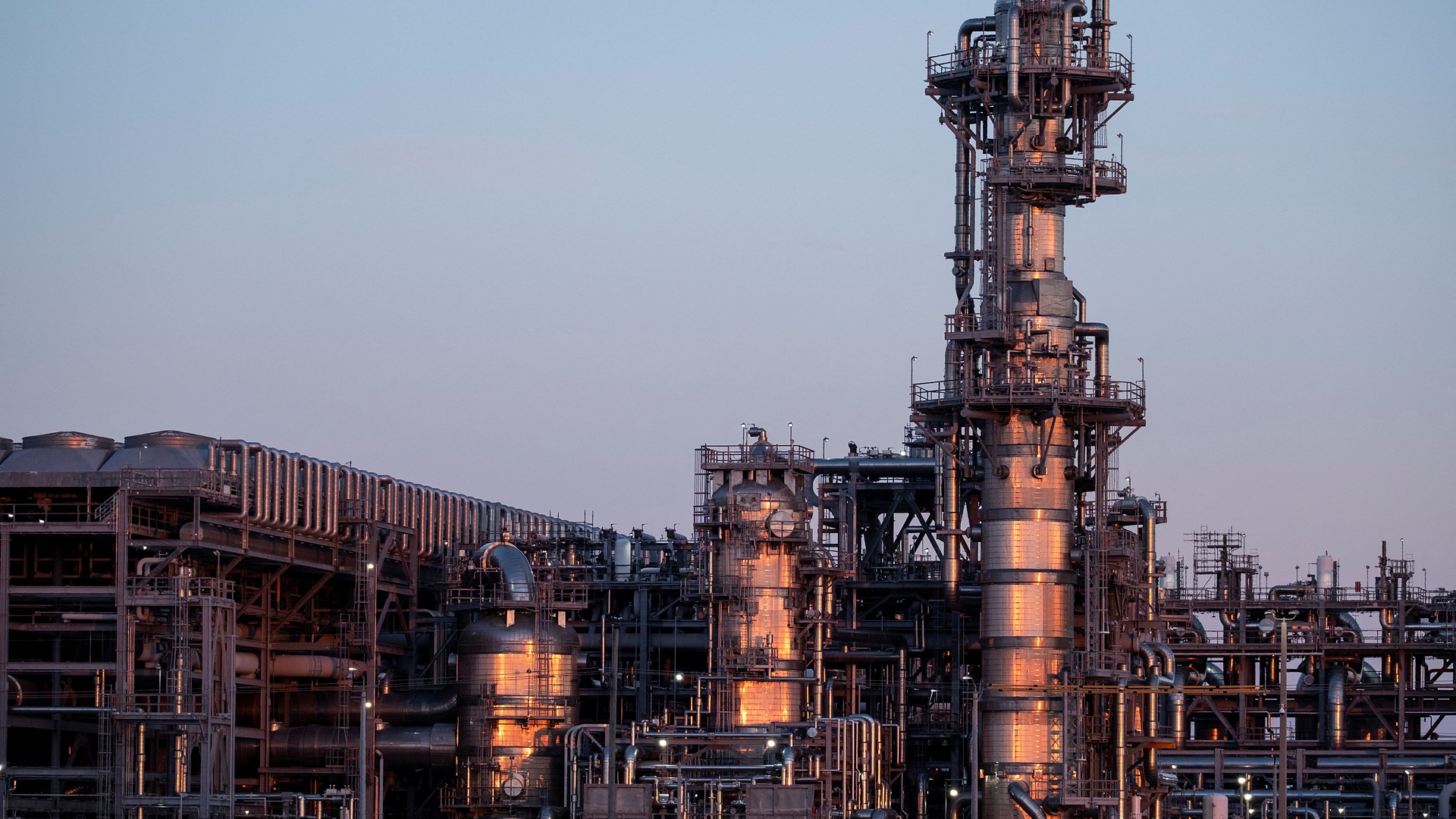
Imagine trying to run a high-end restaurant where you don't control the temperature of your stoves. That is the reality for the Eurozone right now. As geopolitical tensions between the U.S. and Iran escalate in the Gulf, the energy markets are throwing a tantrum. TTF natural gas prices have surged by over 90%, and the ripples are turning into tidal waves across European sovereign bond yields. For the average investor, the message is clear: the 'easy' path to lower interest rates just hit a massive, oil-slicked roadblock.
This isn't just about expensive gas at the pump; it’s about the underlying plumbing of the economy. When energy costs spike, the Harmonised Index of Consumer Prices (HICP) follows suit. This has forced the European Central Bank (ECB) to pivot from its expected easing cycle to a 'higher-for-longer' stance, evidenced by the June 2026 hike that brought the deposit facility rate to 2.25%.
The Investor Playbook: Short, Linked, and Moving West
Institutional money isn't waiting around for the dust to settle. We are seeing a massive shift in how the 'big fish' are positioning their portfolios. The strategy is three-fold: shorten the duration, buy protection, and look across the Atlantic. Investors are ditching long-term nominal bonds, which get crushed when inflation expectations rise, and are instead huddling in short-term government debt (under 3 years) to capture those higher front-end yields.
We are also seeing a surge in 'Linkers'—inflation-indexed debt like the German Bundei. These assets act as a financial umbrella, adjusting their payouts as inflation climbs. Perhaps most tellingly, capital is rotating out of the Eurozone and into U.S. Treasuries. Why? Because the U.S. is a net energy exporter, making it structurally insulated from the natural gas shocks currently paralyzing the Continent.
The Retail 'Bullwhip' and the Savings Illusion
While big corporate balance sheets look healthy on paper, the retail sector is the 'canary in the coal mine.' Retailers are currently being lashed by a 'Bullwhip Effect.' To avoid shipping delays, they stocked up on inventory, but now they are hitting a supply cliff just as energy costs explode. Road freight alone now eats up 5% to 10% of a retailer's operating expenses. Unlike a luxury car maker, a clothing boutique can't just double its prices without seeing sales collapse.
There is also a dangerous 'Savings Illusion' at play. While macro data says Europeans have plenty of cash saved up, that wealth is concentrated at the top. The low-to-middle-income families—the engine of discretionary spending—are feeling acute distress. When energy bills spike, they stop buying sneakers and start saving every spare cent. This 'precautionary saving' response can trigger a retail insolvency contagion faster than any central bank can print money.
Breaking the Chains: The 2030 Energy Roadmap
So, how does Europe stop being a hostage to the Strait of Hormuz? The answer lies in a structural divorce from fossil fuel volatility. Industrial giants are already pivoting toward long-term Power Purchase Agreements (PPAs) to lock in fixed-price renewable energy. The goal is to decouple operating costs from the whims of global oil markets.
The EU is also racing toward its RED III milestones, aiming for 42.5% renewable energy by 2030. This includes a massive push for 'Green Hydrogen' to replace natural gas in heavy industries like steel and chemicals. However, there is a catch: as Europe moves away from Middle Eastern gas, it is becoming increasingly dependent on U.S. LNG, which is projected to supply 80% of the region’s needs by the end of the decade. Europe may be trading one master for another, but in the short term, the focus remains on surviving the current winter of discontent.
Check out our Interactive Charting Tool.