The Great Vertical Reordering: Why the 'Pure-Play' Business Model is Dying
The End of the Neutral Screen
For a decade, the media industry operated under a fragile truce: content creators made the shows, and platform agnostic hardware made sure you could find them. That truce ended this morning. Fox Corp.’s $22 billion acquisition of Roku is not merely a corporate merger; it is a structural land grab for the 'Discovery Layer' of the American household. By merging Fox’s live sports and news juggernaut with Roku’s 100 million-household operating system, Fox has transitioned from a mere tenant in the digital ecosystem to the landlord of the home screen.
This is the 'Gatekeeper' strategy in its purest form. In a world of infinite content choice, the entity that controls the search bar and the first three icons on the screen wins. For competitors like Disney or Netflix, the world just got a lot more expensive. They are no longer just competing with Fox for eyeballs; they are paying their competitor for the privilege of distribution. We are witnessing the death of the 'open' platform as media conglomerates realize that content alone is no longer a sufficient moat against the gravity of Big Tech.
The Unseen Moats of the Green Transition
While the media world gazes at screens, a quieter but equally profound consolidation is happening in the physical world. Finnish retailer Kesko’s €1.2 billion acquisition of Dahl’s Nordic businesses represents a masterclass in 'Boring' macro-strategy. By absorbing the leading technical trade and heating infrastructure footprint in Sweden, Norway, and Denmark, Kesko is positioning itself as the primary toll-collector for the European green transition. This isn't about retail; it's about the plumbing of the future.
As European regulations mandate a massive shift toward energy efficiency and heat pump infrastructure, Kesko has effectively cornered the supply chain. The strategic advantage here is scale in procurement. In the technical wholesale market, the winner is whoever can squeeze the manufacturer on unit economics while maintaining a localized, 'light' integration that preserves contractor relationships. Kesko is betting that while residential construction may be cyclical, the mandate to retrofit a continent is a structural, decade-long tailwind.
The Pandemic Hangover and the Efficiency Mandate
Not every industry is in an expansionary phase. Centene’s announcement of a voluntary buyout program is the 'canary in the coal mine' for the managed care sector. For years, government-backed insurers enjoyed a 'Pandemic-Era Growth Supercycle,' fueled by continuous enrollment provisions. That era of easy money is over. As federal subsidies expire and Medicaid redeterminations push healthier members off the rolls, insurers are left with a 'sicker mix'—an adverse selection problem that is driving up the Medical Loss Ratio (MLR).
The MLR is a critical metric for insurers, representing the percentage of every premium dollar that must be paid out for actual clinical care. When this ratio climbs, the business model breaks. Centene's retreat is a signal that the industry is shifting from a 'customer acquisition' mindset to a 'margin protection' mindset. Expect to see aggressive premium hikes and a pivot toward 'Dual-Eligible' plans—high-acuity members who, while expensive to care for, offer more stable, high-yield government reimbursements. The age of the 'mass-market' public exchange is giving way to a more disciplined, high-stakes actuarial game.
The SpaceX Liquidity Vortex
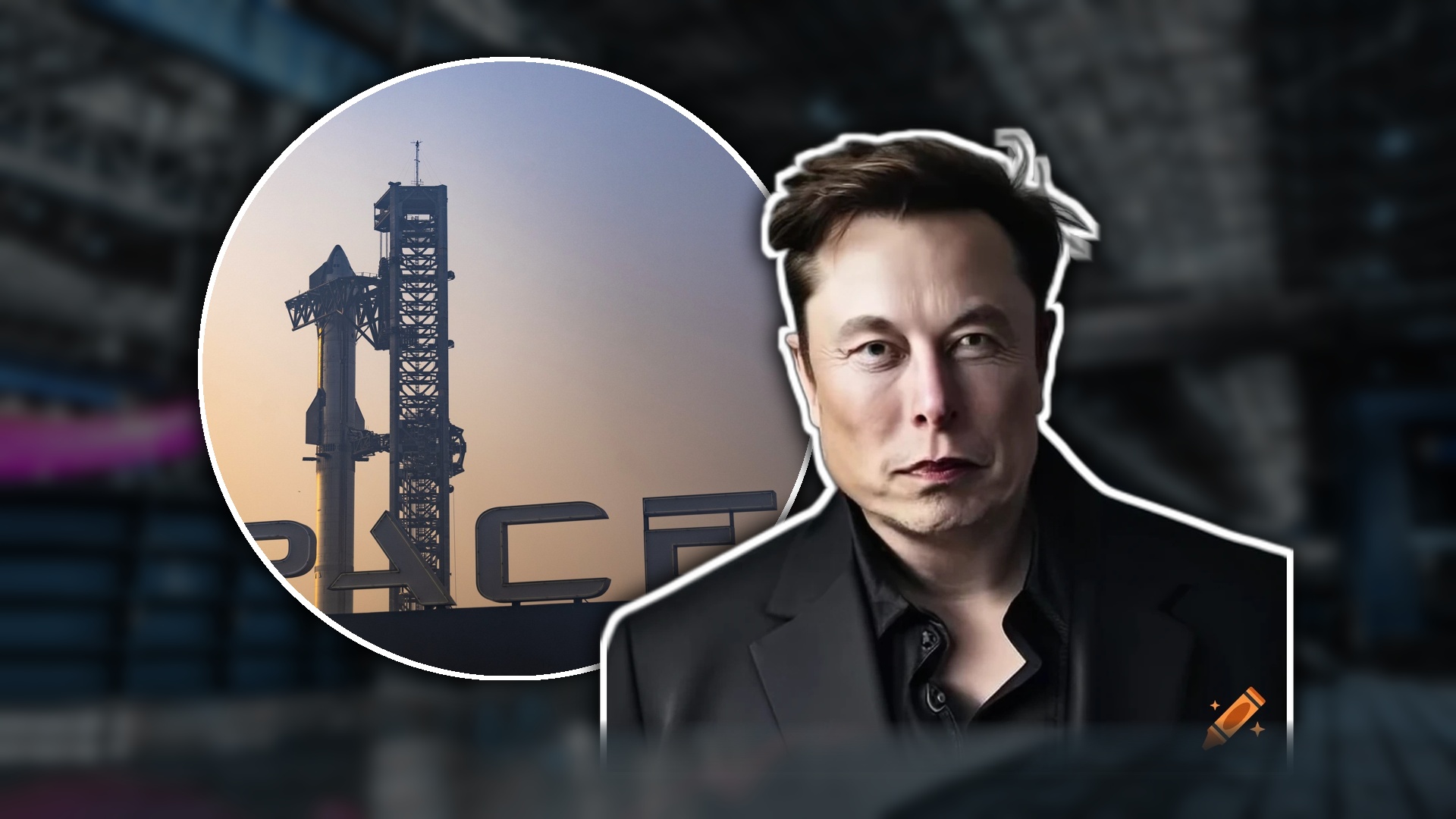
Finally, we must address the $2 trillion elephant in the room. SpaceX’s NASDAQ debut and Cathie Wood’s immediate $529.7 million buy-in signal a new phase of institutional capital reallocation. SpaceX is no longer a space company; it is a unified technology-platform ecosystem. By combining Starlink’s global connectivity with the massive compute power of its newly integrated SpaceXAI unit, the company is creating a 'Physical AWS.'
The market impact of this IPO cannot be overstated. It is acting as a 'liquidity vortex,' pulling capital away from speculative AI startups and niche aerospace players and concentrating it into a single, vertically integrated monopoly. Institutional investors are divesting from the 'pure-play' dream and seeking refuge in the only company that controls the launchpad, the satellite, and the AI that processes the data. In the next decade, the companies that thrive will be those that own their own rails—whether those rails are in the living room, the HVAC system, or low-earth orbit.
The Strategist’s Verdict
The events of June 2026 confirm a singular truth: the 'Middle Class' of business is being hollowed out. We are entering an era of extreme verticality. Whether it is Fox owning the device, Kesko owning the supply chain, or SpaceX owning the atmosphere, the goal is the same—to eliminate the middleman and control the gateway. For the investor, the message is clear: look for the gatekeepers, for they are the only ones who will survive the coming decade of consolidation.
Check out our Interactive Charting Tool.