The Great Retail Cull: Why Wall Street Now Loves an Empty Storefront
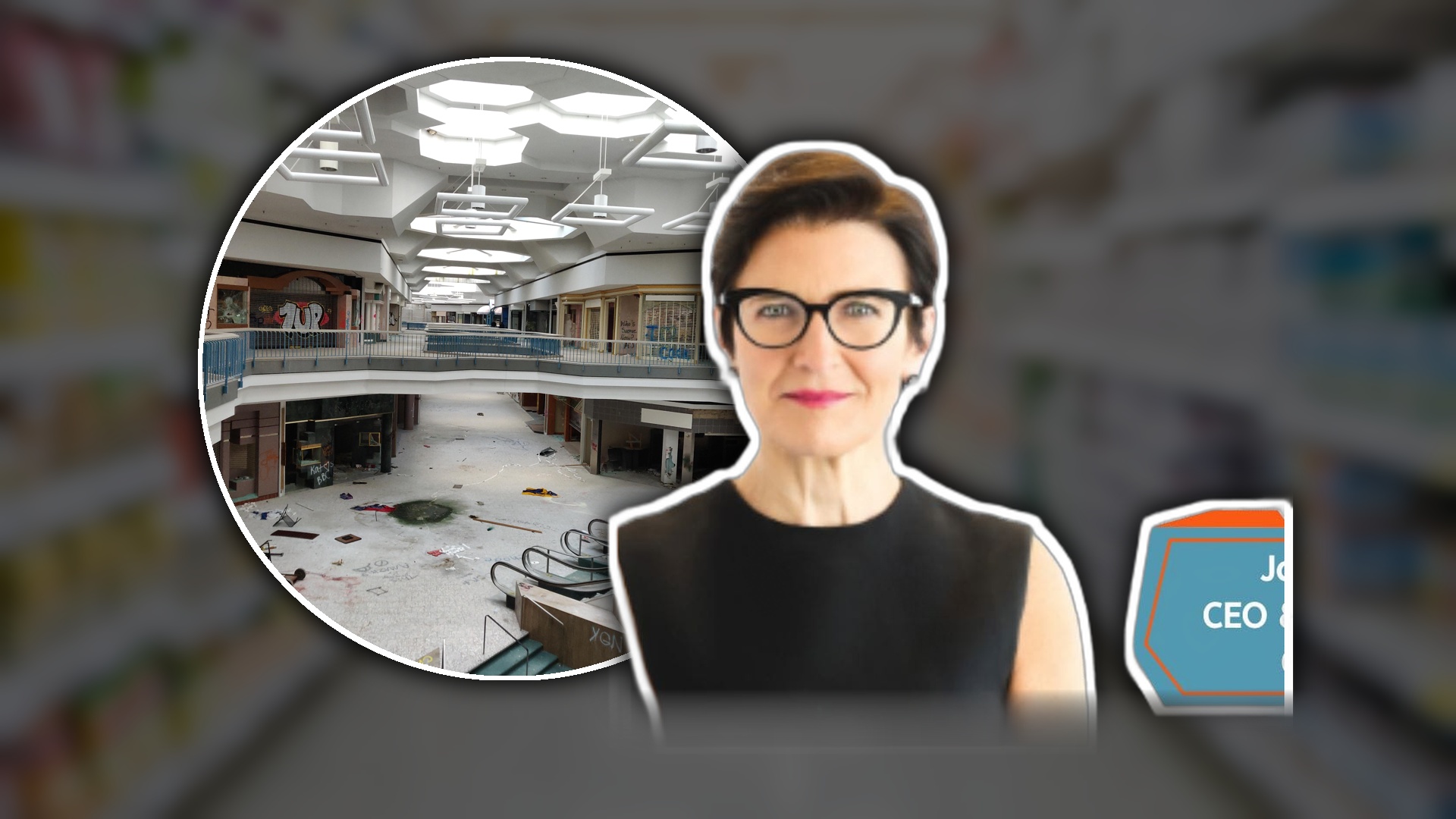
The Death of the Ubiquity Premium
For decades, the gospel of retail was simple: expansion was the only metric that mattered. If you weren't opening a new storefront every week, you were dying. But walk through any suburban corridor in June 2026, and the landscape tells a different story. The scaffolding is coming down, but the signs aren't saying 'Grand Opening'—they're saying 'Order Online for Pickup.' We are witnessing the Great Retail Cull, a structural purge where the ghost of Main Street is being traded for the efficiency of the digital node.
The numbers are staggering. The Foschini Group (TFG) is currently auditing 300 locations for the chopping block, while Caleres—the powerhouse behind Famous Footwear—continues to aggressively trim its physical fleet. Even the fast-food sector isn't immune; Long John Silver’s has quietly shuttered over 700 locations since 2008, a slow-motion collapse driven by the twin pincers of rising labor costs and food inflation. In the boardroom, 'ubiquity' has become a dirty word. It’s been replaced by 'density' and 'yield.'
The 'Elevate-and-Edit' Strategy
The strategic shift isn't just about saving on rent; it’s a calculated pivot toward the 'K-shaped' consumer. Retailers are realizing that the middle-market is a graveyard. By shuttering underperforming locations and focusing on premium brands, companies like Caleres are effectively 'editing' their portfolios to serve a more resilient, affluent demographic. This 'Elevate-and-Edit' strategy is a direct response to a macroeconomic reality: inflation has hollowed out the discretionary spending of the middle class, leaving only the high-end and the ultra-discounters standing.
But don't mistake these closures for a retreat. This is a tactical redeployment. The stores that remain are being transformed into 'fulfillment hubs.' In this new world, a physical location must serve three masters: the walk-in customer, the 'Buy Online, Pick Up In Store' (BOPIS) shopper, and the last-mile delivery network. By converting a storefront into a micro-distribution center, retailers are attacking the single biggest drain on their margins: the 'last mile.' Shipping a pair of boots from a suburban hub five miles away is infinitely cheaper than shipping them from a centralized warehouse across the country.
The Silent Bleed of the Co-Tenancy Domino
However, this transition is fraught with legal landmines that corporate PR rarely mentions. The 'silent bleed' of the retail sector is the co-tenancy clause. When a major anchor tenant like a department store closes, it often triggers a domino effect, allowing smaller tenants in the same mall to renegotiate their leases or exit entirely. A retailer pulling out of 100 locations doesn't just lose those storefronts; they risk destabilizing the entire commercial ecosystem, leading to aggressive litigation from landlords desperate to avoid a 'dark' mall.
The New Competitive Equilibrium
As the lines between physical and digital blur, the competitive landscape is being redrawn. Online-first retailers, once thought to be the killers of the high street, are hitting a scaling ceiling. High Customer Acquisition Costs (CAC) and the 'reverse logistics nightmare' of online returns are forcing digital natives to seek out physical footprints—the very thing legacy retailers are trying to shed. The winners of 2026 are the 'orchestrators'—companies that can sync their inventory in real-time across a website, a mobile app, and a physical shelf.
The regulatory environment is also tightening. The FTC has begun a deep inquiry into 'surveillance pricing'—the practice of using data analytics to adjust prices in real-time based on a consumer's browsing history or location. As retailers turn their stores into data-collection hubs, they are walking straight into a privacy minefield. For institutional investors, the 'Bite' is clear: stop looking at store counts. Start looking at the efficiency ratio of the square footage that remains. The future of retail isn't about being everywhere; it's about being exactly where the data says the profit is.
Check out our Interactive Charting Tool.