The Great Cold War: Inside the $39 Billion Scramble to Freeze the Future
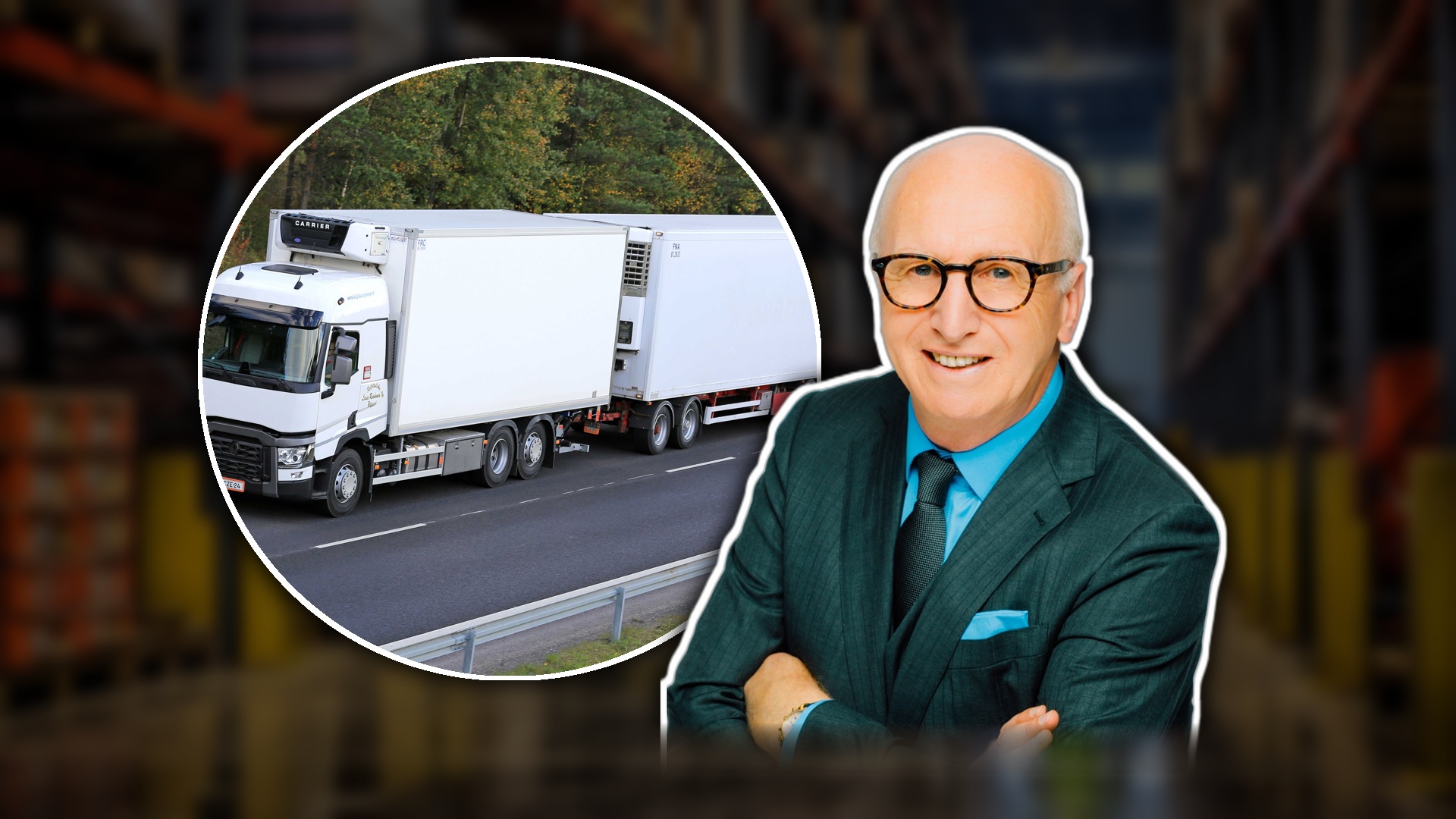
The Silence of the Minus-Eighty
In the quiet, sterile corridors of a specialized warehouse in Louisville, the only sound is the low hum of industrial-grade compressors. This isn't just a storage locker; it is a vault. Inside, thousands of vials of GLP-1 weight-loss medications and personalized mRNA therapies sit in a state of suspended animation. For years, the logistics industry was a game of 'brown box' efficiency—moving socks and electronics from Point A to Point B with ruthless, commoditized speed. But today, the game has changed. The new frontier isn't just about how fast you can deliver; it’s about how cold you can stay.
The market for temperature-sensitive biologics is no longer a niche side-hustle for the likes of UPS, FedEx, and DHL. It is a full-scale arms race. With the sector projected to swell to $39 billion by 2033, growing at a compound annual rate of 8.3%, the 'Cold Chain' has become the industry’s most expensive and most defensive moat. While traditional freight volumes face the headwinds of a volatile global economy, the demand for specialty drugs—which often render themselves useless if they deviate by even a few degrees—is creating a high-margin oasis that every major player is desperate to claim.
The CapEx Arms Race: UPS vs. DHL
To win this war, the titans are opening their checkbooks with a ferocity rarely seen in the logistics sector. UPS is currently deploying $48 million across 27 specialized facilities, a targeted strike aimed at shoring up its domestic dominance. However, across the Atlantic, DHL is playing a much longer game. The German giant has committed a staggering 2 billion euros through 2030 to ensure end-to-end reliability. This isn't just about buying more refrigerators; it’s about a fundamental re-engineering of the global supply chain.
The strategic divergence is clear. While FedEx and UPS have historically relied on their massive air fleets, they are now pivoting toward specialized real estate. UPS’s acquisitions of Bomi Group and Frigo Trans signal a shift: they aren't just moving the drugs; they are owning the entire environment they live in. This 'Strategic M&A as CapEx' allows them to bypass the years-long process of building certified facilities from scratch, effectively buying their way into a market with high barriers to entry.
The Ozempic Effect and the 'Stranded Asset' Ghost
The primary catalyst for this sudden urgency is the explosion of GLP-1 medications like Ozempic and Wegovy. These drugs require precise thermal control (typically 2°C to 8°C), and the sheer volume of demand is overwhelming existing capacity. Yet, the skeptical investor must ask: Is this a permanent structural shift or a temporary bubble? Institutional investors are beginning to weigh the risk of 'stranded assets.' If pharmaceutical manufacturers develop 'cold-chain-free' stability—drugs that can survive at room temperature—these multi-billion-euro freezer farms could become the 21st-century equivalent of empty shopping malls.
However, the consensus among insiders is that the risk remains low. Even if GLP-1s become more stable, the next wave of medicine—cell and gene therapies—requires even more extreme conditions, often dipping into ultra-low 'frozen' environments. The infrastructure being built today is modular; a facility designed for Ozempic can, with enough CapEx, be retrofitted for the personalized cancer vaccines of tomorrow.
The 'Black Box' and the Silicon Threat
As these firms transition from manual tracking to AI-driven predictive logistics, a new conflict is emerging at the intersection of code and compliance. The industry is moving toward 'Digital Twins'—virtual simulations of the entire logistics network that use IoT sensors to predict a failure before it happens. But the FDA and other regulators are wary. They operate on 'deterministic' rules: they want to know exactly why a decision was made. AI, which often operates as a 'black box,' creates a validation nightmare.
Furthermore, the move to cloud-connected 'control towers' has painted a massive target on the industry's back. In the world of biologics, where expiration windows are measured in hours, a ransomware attack isn't just a financial nuisance—it’s a hostage situation where the ransom is a patient’s life. Sophisticated actors are no longer just looking to steal data; they are looking to manipulate it. 'Data poisoning'—subtly altering the temperature readings of a shipment to trigger a false stability report—is the new nightmare scenario for C-suite executives.
The Boutique Resistance
While the giants fight for global scale, a group of agile, regional 3PL (Third-Party Logistics) providers is digging in. These smaller players are betting that 'white-glove' service will trump DHL’s brute force. In the realm of 'autologous' therapies—where a patient’s own cells are shipped to a lab, modified, and shipped back—the chain of custody must be flawless. This requires a level of personalization and 'direct client access' that a global behemoth, with its rigid automated frameworks, often struggles to provide.
The verdict? The logistics industry is no longer about the truck or the plane. It is about the sensor, the software, and the seal. As the 'Cold War' intensifies, the companies that can bridge the gap between high-tech AI and high-stakes regulatory compliance will be the ones that turn these massive capital outlays into a permanent, high-margin fortress. For the rest, the future looks increasingly frozen.
Check out our Interactive Charting Tool.