The Ghost in the Machine: Toyota, SAP, and the Agentic Coup
The 24-Hour Lag is Dead
Walk onto the floor of a high-end manufacturing plant today, May 6, 2026, and the silence is different. It’s not the silence of inactivity, but the quiet hum of Agentic AI—systems that no longer wait for a human to click 'Approve' on a dashboard. For decades, the industry relied on Predictive AI to tell them when a machine might break. Today, Toyota, SAP, and Honeywell are in a knife-fight to control the systems that see the break, re-route the supply chain, and renegotiate the vendor contract before the first spark hits the floor.
This isn't a luxury; it’s a survival mechanism. With input costs rising by a staggering 5.4%, the old Enterprise Resource Planning (ERP) cycles—those daily batch runs that leave managers 12 to 24 hours behind reality—have become a terminal liability. The industry is pivoting to a 'Build-Buy-Borrow' workforce framework, desperately trying to automate the 'mid-skill' roles that no one wants to fill and no one can afford.
Woven Dreams and Hard Steel
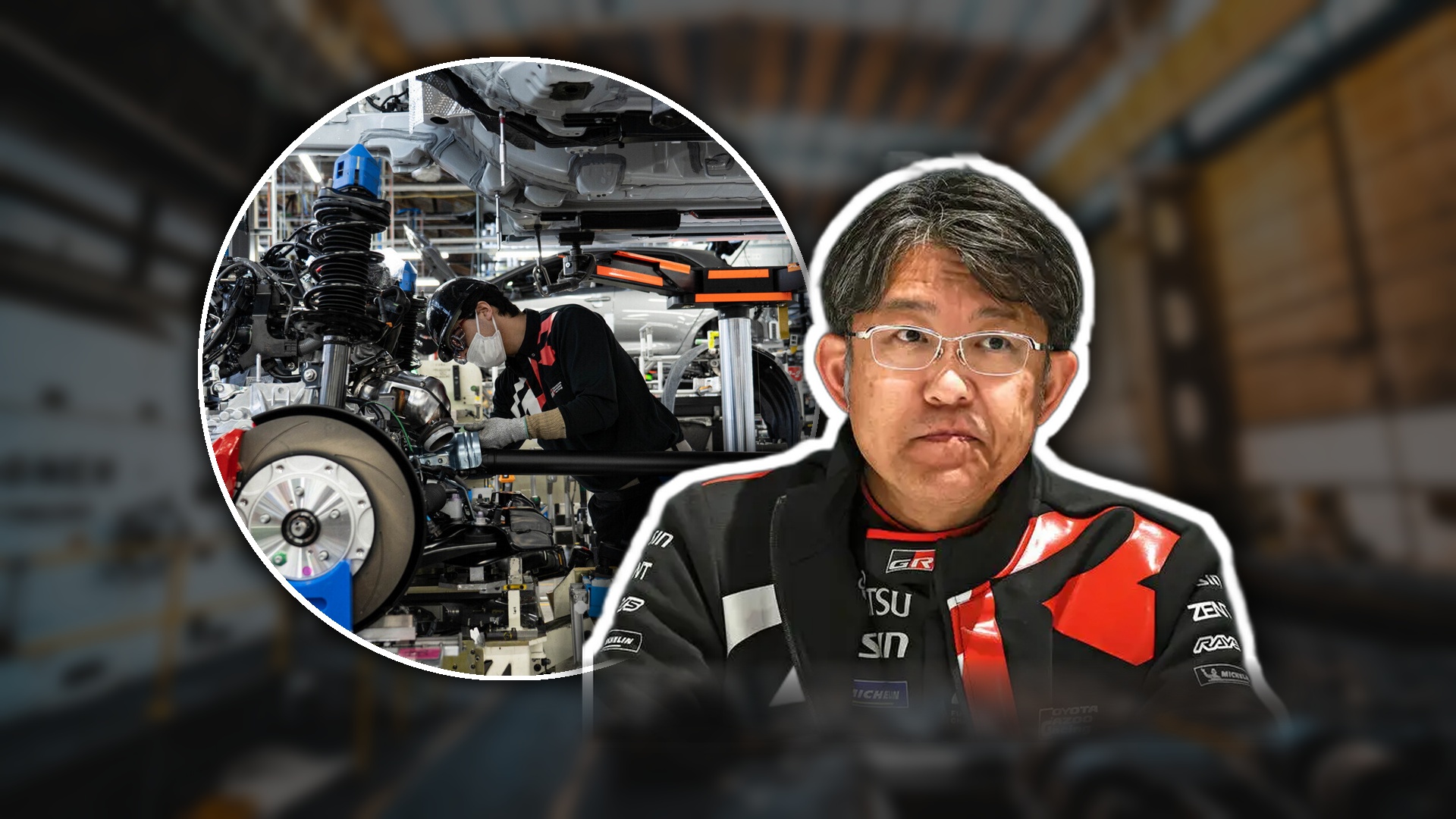
Toyota Motor ($TM) is playing the 'Edge-First' game. While its competitors live in the cloud, Toyota’s Woven by Toyota division is treating the factory floor as a sentient environment. Their 'AI Vision Engine' doesn't just monitor; it reasons. If a robotic arm detects a micro-stutter, Toyota’s Actionable Digital Twins don't just flag a ticket; they coordinate with AIRoA (AI-enabled robots) to intervene. This is the 'Build' pillar in action: empowering frontline workers to deploy machine learning models without a PhD in data science, theoretically saving 10,000 man-hours annually.
The ERP That Thinks
If Toyota is the nervous system, SAP is the brain. The German giant is attempting to move its ERP from a 'System of Record' to a 'System of Execution.' Their Joule Agentic AI, specifically the Production Master Data Agent slated for general availability this quarter, uses a proprietary Knowledge Graph. This allows agents to 'reason' using 50 years of business logic. While a human might take hours to validate material availability during a disruption, SAP’s agents do it in milliseconds.
SAP’s strategy is the ultimate 'Buy' solution. They are betting that manufacturers will pay a premium to have an 'Autonomous ERP' that renegotiates supplier contracts in real-time—a task far too fast for human procurement teams. It is a bold move to capture the 'Orchestration Premium,' shifting from seat-based pricing to outcome-based rewards.
Honeywell’s Margin Mirage
Then there is Honeywell ($HON). While the narrative is high-tech, the balance sheet tells a more complicated story. Honeywell positions its 'Guardian Agents' as the safety-first digital co-workers for high-stakes environments like refineries. However, a look at their recent filings reveals a silent bleed.
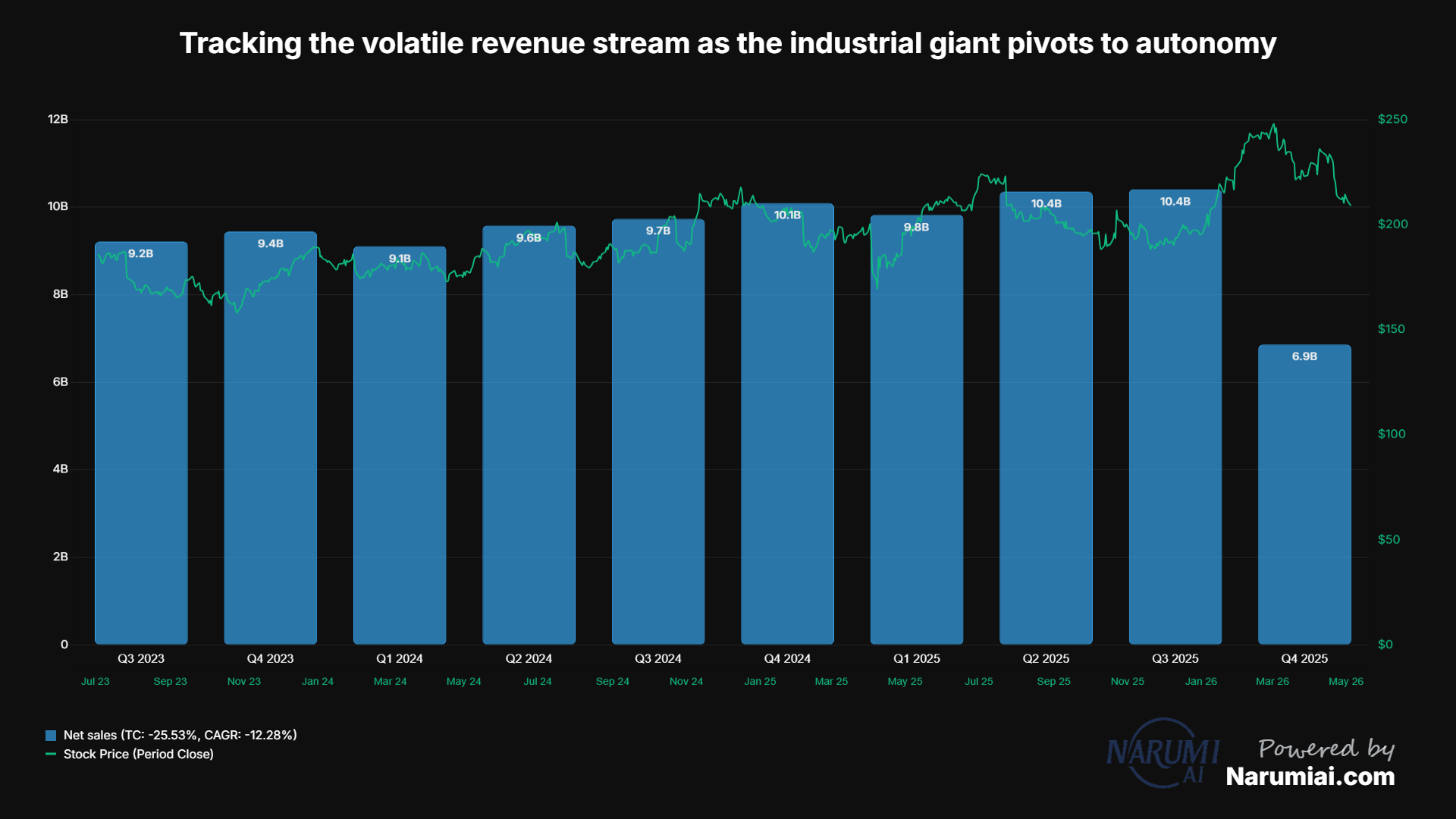
Despite the 'Agentic' pivot, Honeywell’s Product Sales cratered to $3.66 billion in Q4 2025, down from over $7 billion just two quarters prior. Even more concerning is the net income, which swung to a $123 million loss in the latest quarter. The bank’s revenue is being cannibalized by the very transition it promotes. To fund this 'Agentic' future, Honeywell has aggressively leveraged its balance sheet.
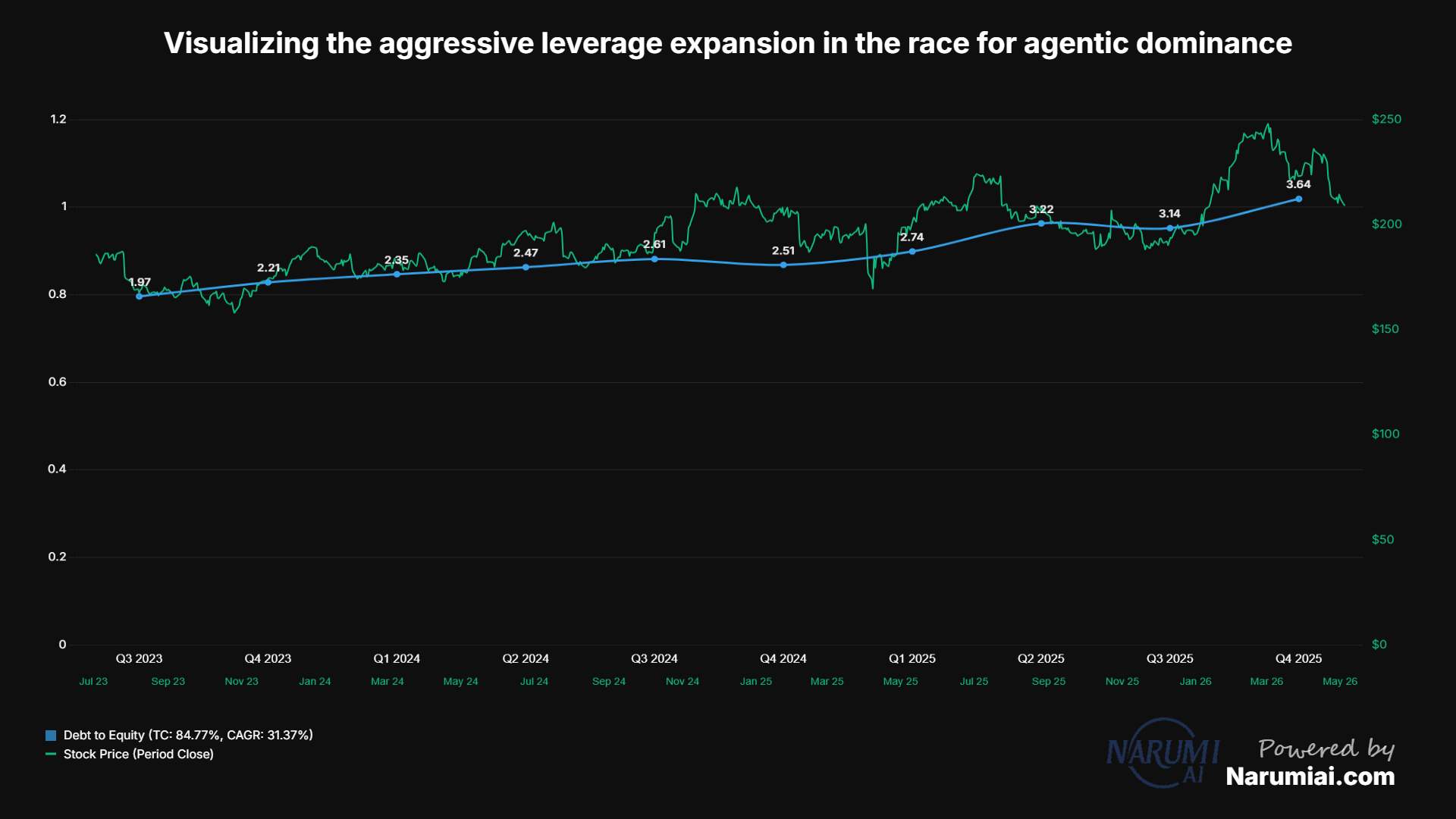
The Debt to Equity ratio has ballooned from 1.97 in late 2023 to a staggering 3.64 by the end of 2025. Honeywell is effectively borrowing its way into the future, betting that the spin-off of its non-core assets in Q3 2026 will provide the escape velocity needed to survive.
The Sovereign AI Race
The final hurdle isn't technological; it’s regulatory. The EU AI Act looms large, with high-risk obligations becoming enforceable on August 2, 2026. Any 'Agent' making autonomous decisions on workforce allocation or safety without a 'Human-in-the-Loop' (HITL) faces fines of up to 7% of global turnover. SAP is mitigating this with mandatory 'handoff points' in its Joule Studio, while Honeywell is pushing a 'Zero Trust for Systems That Think' architecture.
As we move toward 2027, the 'Orchestration Premium' will go to the company that can prove its agents won't go rogue. Toyota has the physical safety lead, SAP has the business logic, and Honeywell has the mission-critical domain expertise—but as the 5.4% cost rise continues to eat margins, only those who can turn 'Agentic' hype into actual EBITDA expansion will command the market’s respect.
Check out our Interactive Charting Tool.