The Geography of Survival: Why the Hormuz Crisis Rewrites the Oil Playbook
The End of the Low-Cost Illusion
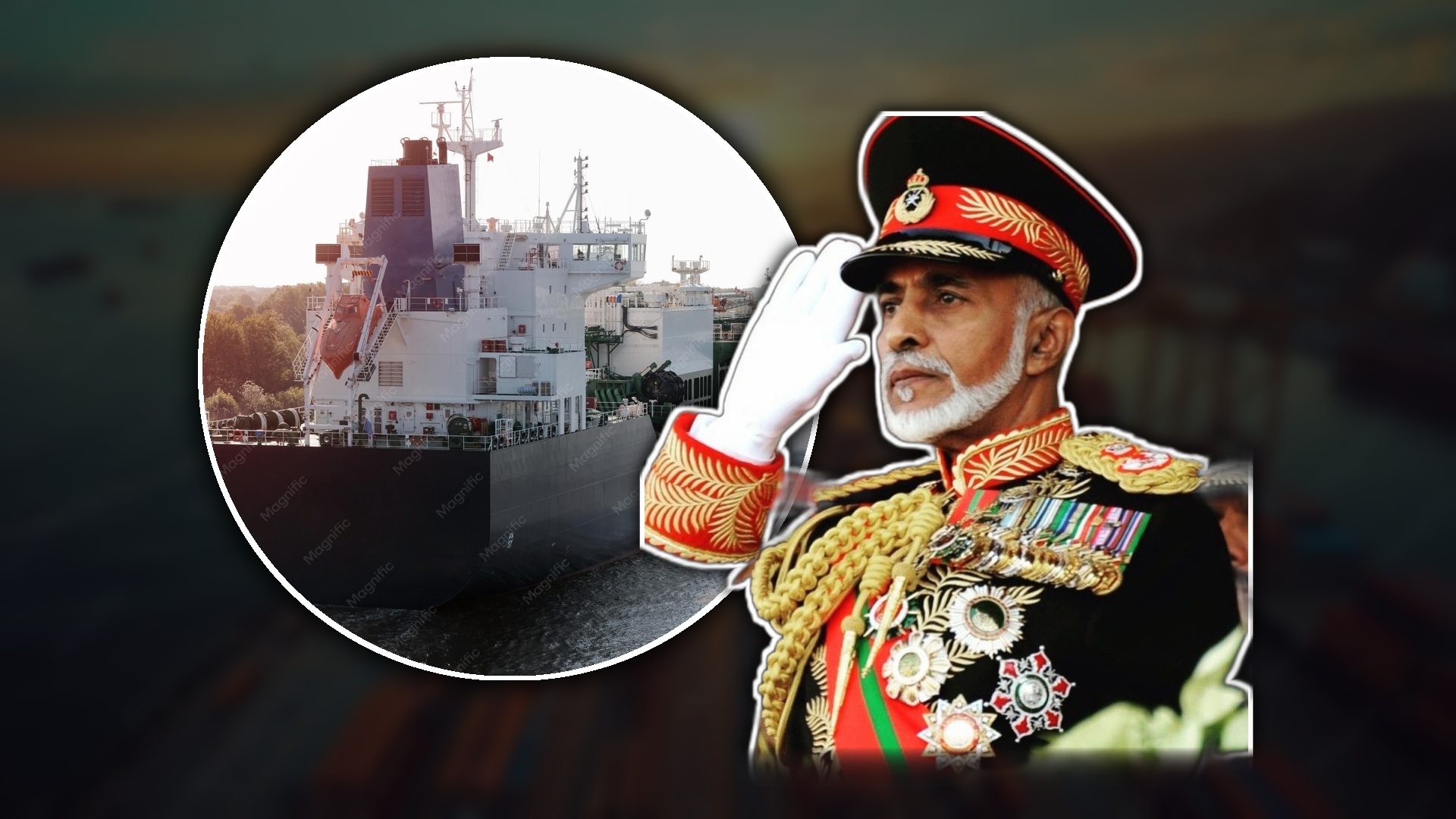
For decades, the global energy market operated on a singular, cold logic: find the cheapest molecule, extract it, and ship it. But as WTI crude spiked to $114.58 this April, the structural foundations of that era didn't just crack—they shattered. The current crisis in the Strait of Hormuz is not a temporary supply disruption; it is a profound symptom of a world where 'geographic optionality' has officially superseded 'low asset cost' as the primary metric of corporate survival.
We are witnessing the death of the centralized energy architecture. When the world’s most critical maritime chokepoint effectively closes, forcing US crude to be rerouted across the Pacific to Australia, the 'just-in-time' logistics of the global oil trade are revealed for what they truly are: a fragile consensus held together by a stability that no longer exists. For the integrated majors—BP, Shell, and TotalEnergies—the mandate has shifted from simple extraction to a complex, systemic rewiring of the global energy map.
The Atlantic Pivot: Trading Efficiency for Sovereignty
The strategic response from the European majors is already becoming visible in their capital allocation. We are seeing an accelerated migration toward the Atlantic Basin. The math has changed; the geopolitical risk premium now structurally outweighs the lower lifting costs of the Persian Gulf. This is the 'Atlantic Pivot.' Money that was once destined for the Middle East is now flowing into 'politically insulated' basins: the US Permian, the deepwater fields of Brazil, and the burgeoning Orange Basin in Namibia.
This shift represents a fundamental moat for the majors. While smaller, independent players are often tethered to specific geographies, the giants are using their scale to monopolize the 'safest' acreage on the planet. By locking up the deepwater assets of Guyana and the shale of the Americas, Shell and BP are effectively building a fortress around their future production capacity—one that does not require passage through 21 miles of contested water.
The Molecular Arbitrage: Owning the Flow, Not the Field
Perhaps the most profound shift is the transition from being 'asset owners' to 'global portfolio arbitrageurs.' In a fractured market, the player with the most flexible paperwork wins. Shell and TotalEnergies have spent years building massive 'Free-on-Board' (FOB) LNG and crude portfolios. Unlike traditional contracts that tie a molecule to a specific destination, FOB contracts allow these companies to pivot mid-ocean.
When the Strait of Hormuz closed, these companies didn't just lose supply; they gained an arbitrage opportunity. By rerouting non-Gulf assets to the highest bidder in Europe or Asia, they are capturing the 'war-risk premium' that their competitors cannot touch. This is the new economic moat: the ability to manage systemic risk for desperate sovereign buyers. They are no longer just oil companies; they are the ultimate insurance policy for a world in chaos.
The Pragmatic Cash Machine
Institutional investors have undergone a parallel transformation. The ideological pressure for a 'green-at-all-costs' transition has been replaced by a cold, corporate pragmatism. Capital is flowing back into the majors because they are viewed as the ultimate macroeconomic hedges against global inflation and stagflation. However, this capital comes with a strict mandate: return the windfall.
Investors are demanding that majors maintain a 'Pragmatic Cash Machine' model—payout ratios exceeding 40% and aggressive share buybacks—while simultaneously deleveraging their balance sheets. The goal is to use the current $100+ oil environment to permanently clean up corporate debt, ensuring that when the cycle eventually normalizes, these companies are lean enough to survive a lower-price environment without sacrificing their dividends.
The Green Paradox: Decoupling from the Sea
Ironically, the Hormuz crisis has provided the most compelling business case yet for the energy transition, but not for the reasons ESG advocates originally cited. High fossil fuel prices and skyrocketing shipping costs are structurally improving the economics of green alternatives because renewables are 'distributed' rather than 'seaborne.'
The majors are now viewing offshore wind and green hydrogen through the lens of national security. A wind farm in the North Sea or a solar hub in the US Southwest requires zero trans-oceanic transit and is immune to geopolitical blockades. By using oil windfalls to fund localized 'multi-energy hubs,' BP and TotalEnergies are building a long-term structural hedge. They are moving toward an energy future where their cash flows are no longer hostage to a single maritime chokepoint. In the geography of survival, the winner is the one who no longer needs the sea to bring their product to market.
Check out our Interactive Charting Tool.