The Fed’s New Boss is Tearing Up the Script
The Silence of the Dots
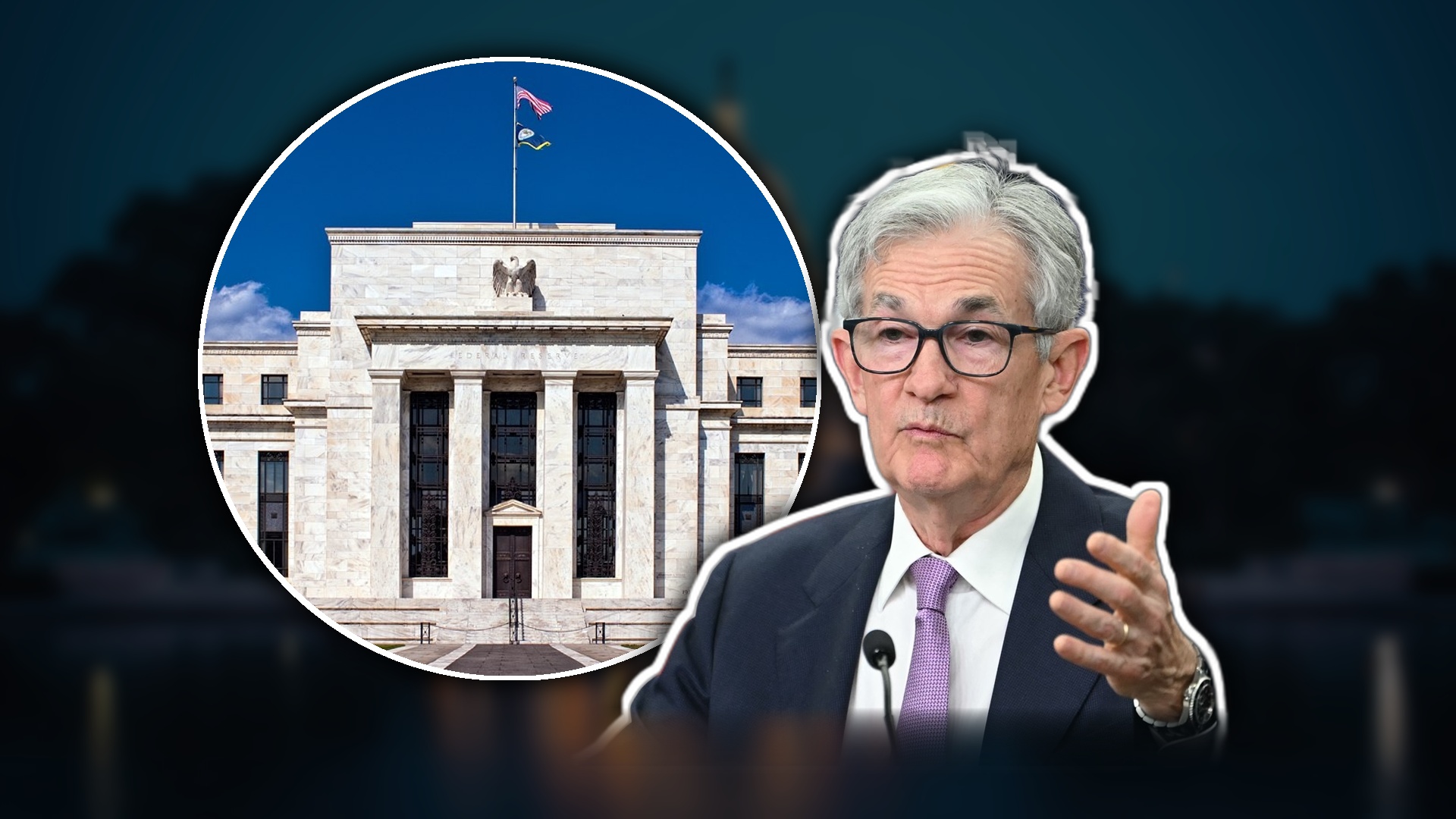
For the last decade, the Federal Reserve has been the ultimate 'spoiler' in the financial markets. Between the 'dot plot' forecasts and the endless cycle of press conferences, investors have become addicted to knowing exactly what the central bank was thinking months before they actually did it. But as of June 16, 2026, that era is officially over. New Fed Chair Kevin Warsh is stepping into the driver’s seat, and his first move is reportedly throwing the GPS out the window.
Warsh is signaling a return to a more 'reactive,' data-driven Fed—a move modeled after the Alan Greenspan era. This means no more hand-holding, no more telegraphed rate paths, and significantly fewer press conferences. For a market that has lived on 'forward guidance' like a security blanket, this is a cold shower. As one market analyst noted, we are moving from a Fed that tells you where it’s going to a Fed that just reacts to where the road takes it.
While the Fed is widely expected to keep rates steady at 3.50%–3.75%, the real story is the removal of the 'easing bias.' In plain English: the Fed is no longer looking for an excuse to cut rates. They are now officially neutral, meaning the next move could just as easily be a hike as a cut.
The 'Self-Funding' Fortress vs. The Debt Trap
When the Fed stops promising lower rates, the market stops treating all stocks equally. We are entering a period where 'pricing power' and 'balance sheet health' aren't just buzzwords—they are survival traits. Without the implicit promise of a 'Fed Put' (the idea that the Fed will lower rates to save the market), the competitive landscape is shifting violently.
Mega-cap technology giants are the clear winners here. These are 'self-funding' secular winners. They have massive cash piles and don't need to borrow money to grow. In a world where borrowing is expensive and the Fed isn't coming to the rescue, these companies act as a structural safe haven. On the flip side, the 'zombie firms' of the Russell 2000 are in trouble. Small-cap stocks are disproportionately exposed to floating-rate debt. If the Fed stays at 3.75% indefinitely, their profit margins will continue to be ground down by debt-servicing costs.
Private Credit’s Invisible Ceiling
One of the biggest hidden risks in this new regime is the 'ghost leverage' bubble in private credit. During the years of low rates and clear Fed guidance, institutional money flooded into private lending. Because these loans aren't traded on public exchanges, their valuations adjust on a lag. If Warsh’s hawkish tone triggers a sudden drop in public market liquidity, mid-market companies will struggle to service that private debt.
This creates a systemic risk that doesn't show up on a standard stock ticker. If private credit defaults start to spike, it could trigger a credit crunch that hits the real economy before the Fed even realizes it. Without forward guidance to smooth out these bumps, the market could face a series of 'un-telegraphed' shocks that traditional risk models simply aren't prepared for.
Trading Without a GPS
So, how do you trade a Fed that won't talk to you? Institutional investors are already pivoting. They are moving away from 'Fed-watching' and toward high-frequency market signals. The new 'North Star' for the market isn't the Fed Chair’s speech—it’s the Secured Overnight Financing Rate (SOFR) strip and the 5-Year, 5-Year Forward Inflation Expectation Rate.
We are also seeing a 'bear steepening' of the yield curve. Without the Fed dampening volatility, investors are demanding a higher 'term premium'—essentially a higher interest rate to compensate for the uncertainty of the future. This makes long-term projects, like infrastructure and renewable energy, much more expensive to fund, while favoring short-term, high-liquidity assets.
The Strategic Bottom Line
The transition to the Warsh era is a fundamental regime change. For years, the Fed has been a 'proactive' force, trying to manage the economy’s temperature with precision. Now, it is becoming 'reactive.' This shift increases the value of active management and 'macro alpha.' If you can read the CPI or the jobs report faster than the Fed reacts to it, there is money to be made.
But for the average investor, the message is clear: the safety net is being pulled back. Diversification into cash-rich sectors and a healthy respect for the 'volatility premium' are no longer optional. The Fed is no longer your co-pilot; it's just another passenger on this volatile ride.
Check out our Interactive Charting Tool.