The Fed’s Math Problem: Why the Bond Market is Screaming 'Rate Hike'
The 2-Year Yield is the Market's Smoke Detector
The bond market just sent a clear message to the Federal Reserve: You’re late. On June 9, 2026, yields on the two-year Treasury note—the asset most sensitive to the Fed’s next move—jumped to 4.15%. This isn't just a minor wiggle; it’s a full-blown alarm bell. When the two-year yield sits significantly higher than the Fed's current policy range, it means the market has stopped listening to what the Fed says and started betting on what the Fed must do.
The catalyst? A red-hot labor market that refuses to cool down. Despite months of talk about a 'soft landing,' robust job growth data is fueling fears that the U.S. economy is overheating. For the average investor, this means the 'neutral' rate—that Goldilocks interest rate that neither speeds up nor slows down the economy—might be much higher than the Fed previously estimated.
The $660 Billion AI Spending Trap
It’s not just jobs that are heating things up. We are currently in the middle of the most expensive technological arms race in human history. Global hyperscalers like Microsoft, Alphabet, and Meta are projected to dump between $660 billion and $690 billion into AI infrastructure annually. While this is great for hardware makers, it’s a nightmare for inflation fighters. This massive 'AI CapEx' boom is acting like a giant stimulus package, keeping demand for energy, labor, and raw materials sky-high.
However, there is a catch. In the 'free money' era, companies could build data centers forever without worrying about the bill. Now, with the 10-year yield climbing and the 2-year yield at 4.15%, the 'hurdle rate' for these projects has skyrocketed. This creates what insiders call Monetization Drag. If these companies can’t turn those $600 billion investments into actual profits quickly, the weight of their debt and depreciation could crush their margins.
The Institutional Pivot: How Big Money is Moving
If you’re wondering why your tech-heavy portfolio feels a bit shaky, look at what the 'smart money' is doing. Institutional allocators—the folks managing billions for pensions and endowments—are currently rewriting their playbooks for a 'higher-for-longer' world. They are moving away from the 'Cash is Trash' mentality and embracing a new reality where risk-free cash actually pays a meaningful return.
Here is how the big players are shifting their chips:
Shortening Duration: To avoid the price drops that happen when rates rise, managers are piling into T-bills and short-duration notes. Why bet on a 30-year bond when a 2-year note gives you 4.15% with almost zero risk?
Floating-Rate Debt: Institutions are loading up on leveraged loans and private credit. Because these loans have 'floating' interest rates that go up when the Fed raises rates, they actually protect the lender from inflation.
Quality over Growth: The days of 'growth at any cost' are over. Investors are now screening for 'short-duration equities'—companies that make real money now rather than promising profits in 2035. Think Energy, Financials, and Industrials.
The Verdict: A New Era of 'Hurdle Rates'
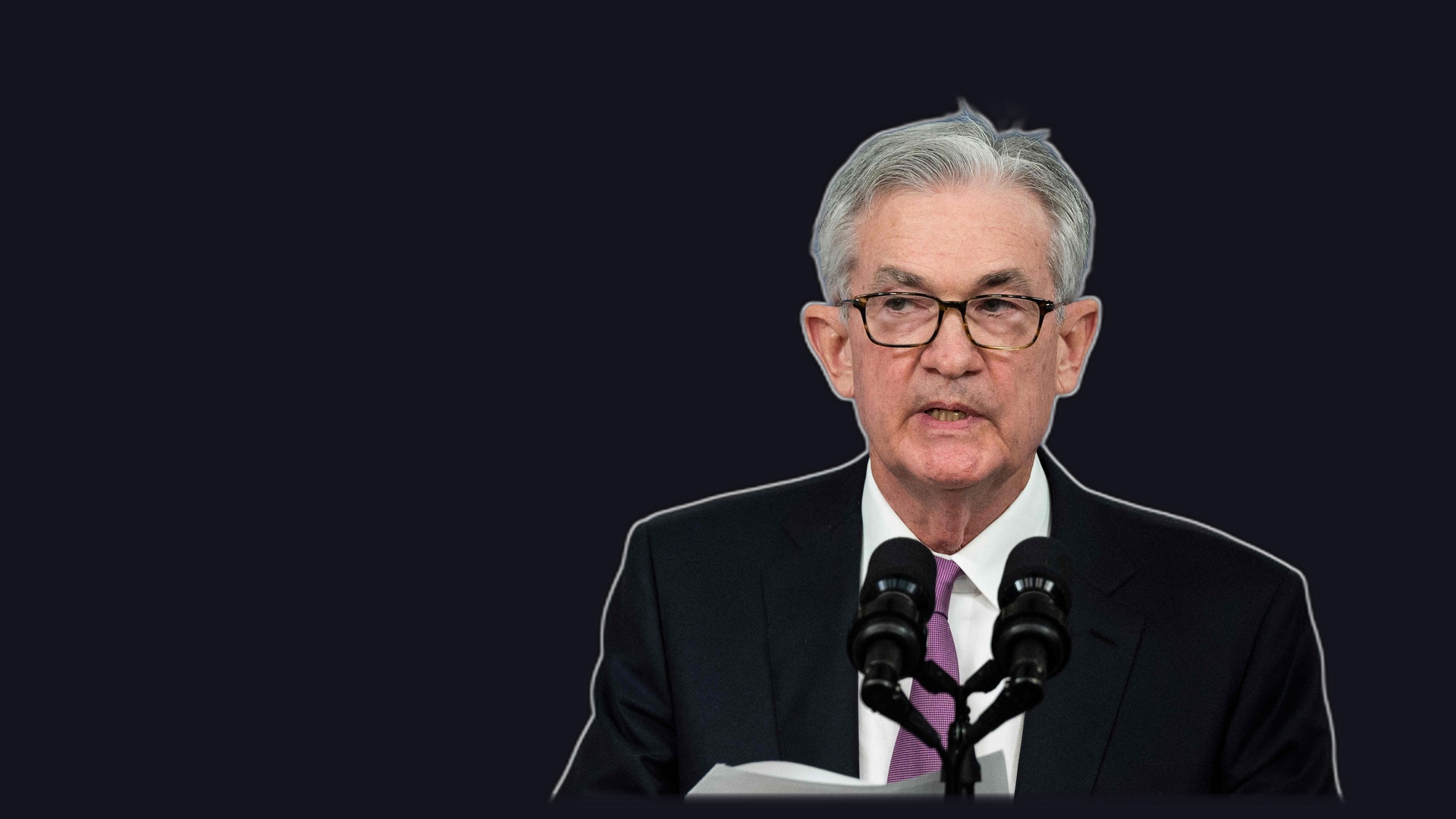
The bond market is essentially telling new Fed Chairman Kevin Warsh that he needs to put on the boxing gloves. If the Fed doesn't hike rates by October, they risk letting inflation run wild. But if they hike too aggressively, they risk popping the AI investment bubble that has been the primary engine of market growth for the last two years.
For the retail investor, the lesson is simple: The 'discount rate' has changed. Every dollar of future profit is now worth less today because you can get a guaranteed 4.15% from the government. In this environment, balance sheet strength isn't just a metric—it's a survival trait. Keep an eye on companies with low debt and high cash flow; they are the ones who will thrive while the 'zombie' companies get eaten by the cost of capital.
Check out our Interactive Charting Tool.