The Fed’s Hawkish U-Turn: Why $TLT is Losing Its Safety Net
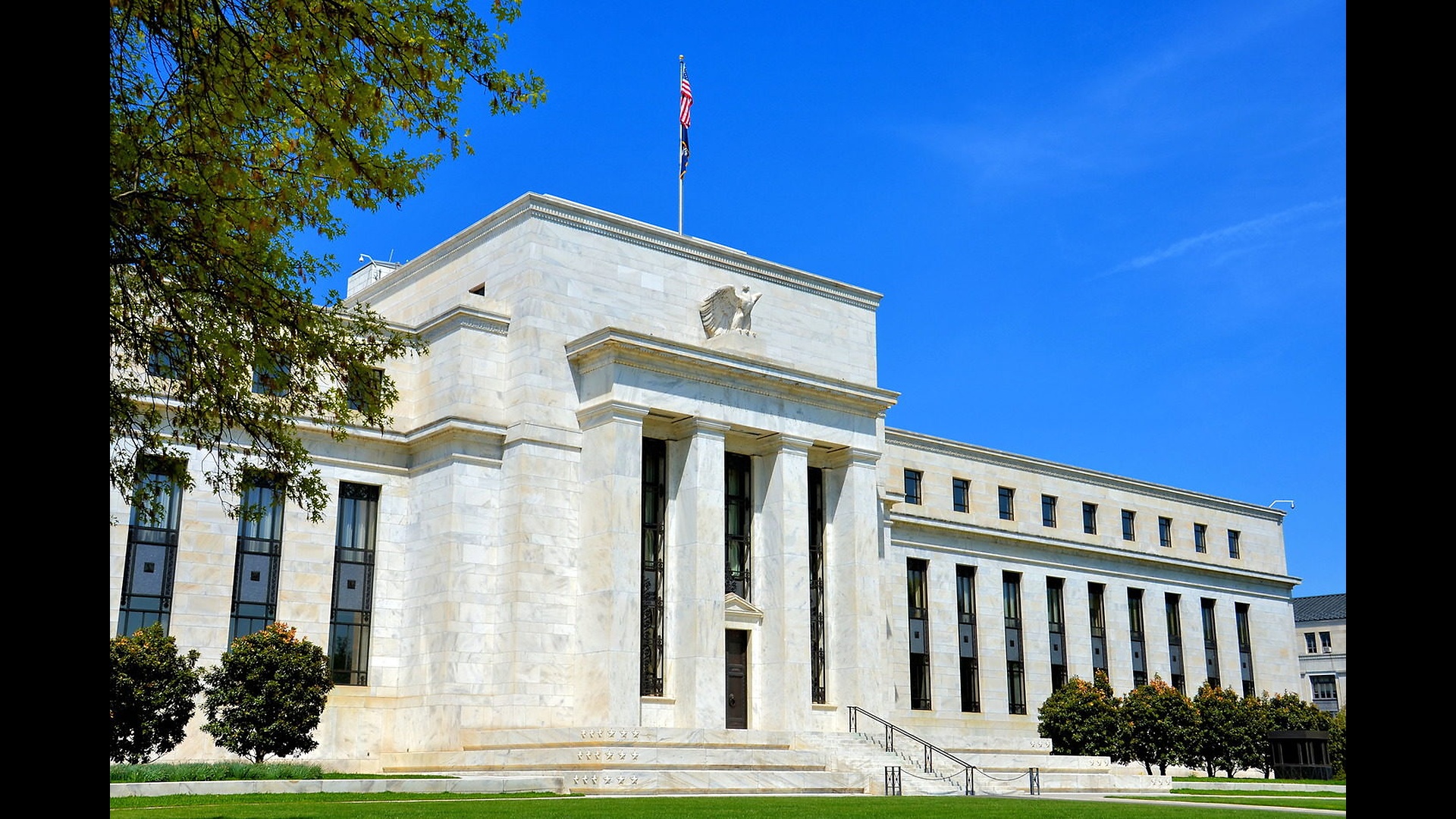
The Vibe Shift No One Wanted
Just when investors were getting comfortable with the idea of a 'soft landing,' Federal Reserve Governor Christopher Waller decided to flip the script. In a sudden, sharp pivot, Waller warned that if this week’s inflation data comes in hot, the Fed isn't just pausing—they might actually start hiking rates again. This isn't just a minor tweak; it’s a fundamental repricing of the 'higher-for-longer' mantra that has kept markets on edge for years.
For the uninitiated, interest rates and bond prices have a see-saw relationship: when rates go up, bond prices go down. But for the iShares 20+ Year Treasury Bond ETF ($TLT), this isn't just a dip—it’s a potential freefall. Because $TLT holds bonds with very long maturities, it is hyper-sensitive to even the smallest changes in interest rate expectations.
The Math of the Meltdown
The technical term for this sensitivity is duration. Think of duration like the length of a lever: the longer the lever (or the bond’s maturity), the more force a change in rates applies to the price. With a duration of roughly 17 years, $TLT is the longest lever in the market. If Waller’s hawkishness pushes yields up by just 1%, $TLT investors could see nearly a fifth of their investment evaporate in real-time.
But the pain doesn't stop at the bond market. This shift is also forcing a massive rethink of the S&P 500 ($SPY). Usually, when stocks tank, investors run to bonds for safety. However, when inflation is the culprit, that safety net often snaps. We are entering a 'positive correlation' regime where both stocks and bonds fall at the same time, leaving the traditional 60/40 portfolio with nowhere to hide.
The Great Tech Divorce
Inside the Invesco QQQ Trust ($QQQ), a fascinating split is emerging. Not all tech is created equal in a high-rate world. On one side, you have 'Software Giants' like Microsoft, which are seeing their valuations squeezed because their massive AI investments won't pay off for years. In a high-rate environment, a dollar earned ten years from now is worth significantly less today.
On the other side, you have the 'Pick-and-Shovel' hardware plays like NVIDIA and AMD. These companies are generating massive amounts of Free Cash Flow right now. Institutional investors are treating these hardware stocks like 'cash-flow fortresses,' favoring them over speculative software names that rely on cheap debt to grow.
The Warsh Factor and the Liquidity Trap
As we look toward Fed Chair Kevin Warsh’s upcoming speech, the fear isn't just about the level of rates, but the liquidity of the market itself. If bond volatility gets too high, the 'Primary Dealers' (the big banks that make the market move) might step back. This could trigger a 'liquidity crunch' where selling becomes frantic because there are no buyers on the other side.
If $TLT fails to act as a hedge during the next equity sell-off, it could trigger a 'VaR Shock.' This is a fancy way of saying that automated risk-management systems at big hedge funds will see that their portfolios are twice as risky as they thought, forcing them to sell everything—stocks and bonds alike—to raise cash. For the retail investor, the message is clear: the old rules of 'safety' are being rewritten in real-time.
Check out our Interactive Charting Tool.