The Billion-Barrel Blackout: Why the Fed is Paralyzed
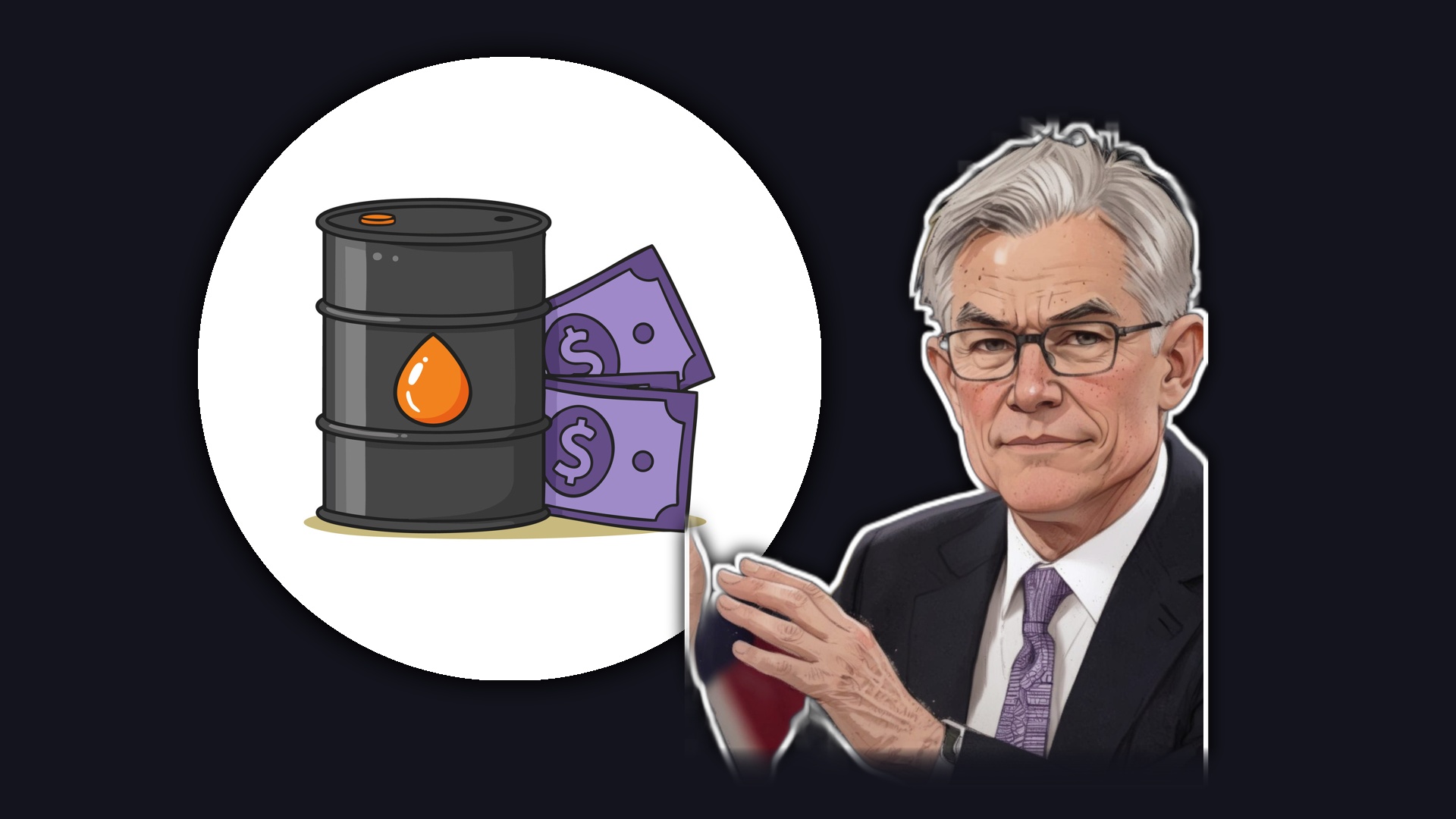
A Billion Barrels of Silence
The Strait of Hormuz has long been described as the global economy’s jugular vein. In May 2026, that vein hasn’t just been restricted; it has been clamped shut. With the Iran-Israel conflict escalating and a ceasefire reportedly 'on life support,' the world is grappling with the most violent supply shock in modern history. Roughly one billion barrels of oil have evaporated from the global ledger, a deficit so vast that Saudi Aramco warns normalization is months—if not years—away. This isn't just a spike in the price of a gallon of gas; it is a fundamental rewiring of the cost of existence.
While corporate PR departments scramble to message 'resilience,' the data suggests a silent bleed. The $MARKET is no longer reacting to earnings beats; it is reacting to the physical reality of empty tankers and broken pipelines. The 'Just-in-Time' efficiency that defined the last three decades has been unceremoniously replaced by a 'Just-in-Case' survivalism that is expensive, inflationary, and deeply disruptive to the bottom line.
The 3.8% Fever Dream
For months, Wall Street clung to the hope of a 'soft landing.' That dream died in April with a 3.8% CPI print. Driven by the relentless surge in energy costs, inflation has proven to be a hydra—cut off one head of supply chain friction, and two heads of energy-driven price hikes grow in its place. Bank of America has already waved the white flag, pushing Federal Reserve rate-cut forecasts into the distant horizon of 2026 or even 2027. The 'higher-for-longer' mantra is no longer a threat; it is the new constitution of the financial world.
This paralysis is creating a brutal bifurcation in the equity markets. The speculative tech darlings of 2024 are seeing their valuations shredded as discount rates remain stubbornly high. Meanwhile, cash-rich 'Quality' firms with immense pricing power are the only ones left standing. It is a Darwinian culling of the herd, where the cost of capital is the primary predator.
From Just-in-Time to Just-in-Case
The logistics industry is currently undergoing a 'Total Supply Chain Redesign.' Rerouting ships around the Cape of Good Hope adds 14 days to transits and a massive premium to fuel surcharges. But the real story isn't the detour; it’s the 'Inventory Tax.' To survive, companies are now forced to over-stock, tying up billions in capital in warehouses just to ensure they don't run out of components. This liquidity drain is the silent killer of the mid-cap sector.
While the US, Brazil, and Canada are positioning themselves as 'safe-haven' producers, they cannot fill the void left by the Middle East overnight. The capital discipline that US shale producers learned the hard way over the last decade means there is no 'drilling frenzy' coming to save the day. They are content to sit on their margins while the rest of the world scrambles for a drop of crude.
The Verdict: A Fragmented Future
The 2026 crisis has proven that 'reopening routes' is not the same as 'normalizing the market.' We have entered an era where physical security and geographic proximity outweigh the open-market ideals of the previous decade. Gold and Silver remain the only anchors in a sea of volatility, while digital assets like Bitcoin have been exposed as mere liquidity proxies, diving whenever the inflation data suggests the Fed's boot will remain on the market's neck. For the savvy investor, the play is no longer about growth—it is about endurance.
Check out our Interactive Charting Tool.