The $97 Tripwire: Chokepoints, Cruise Missiles, and the End of Cheap Energy
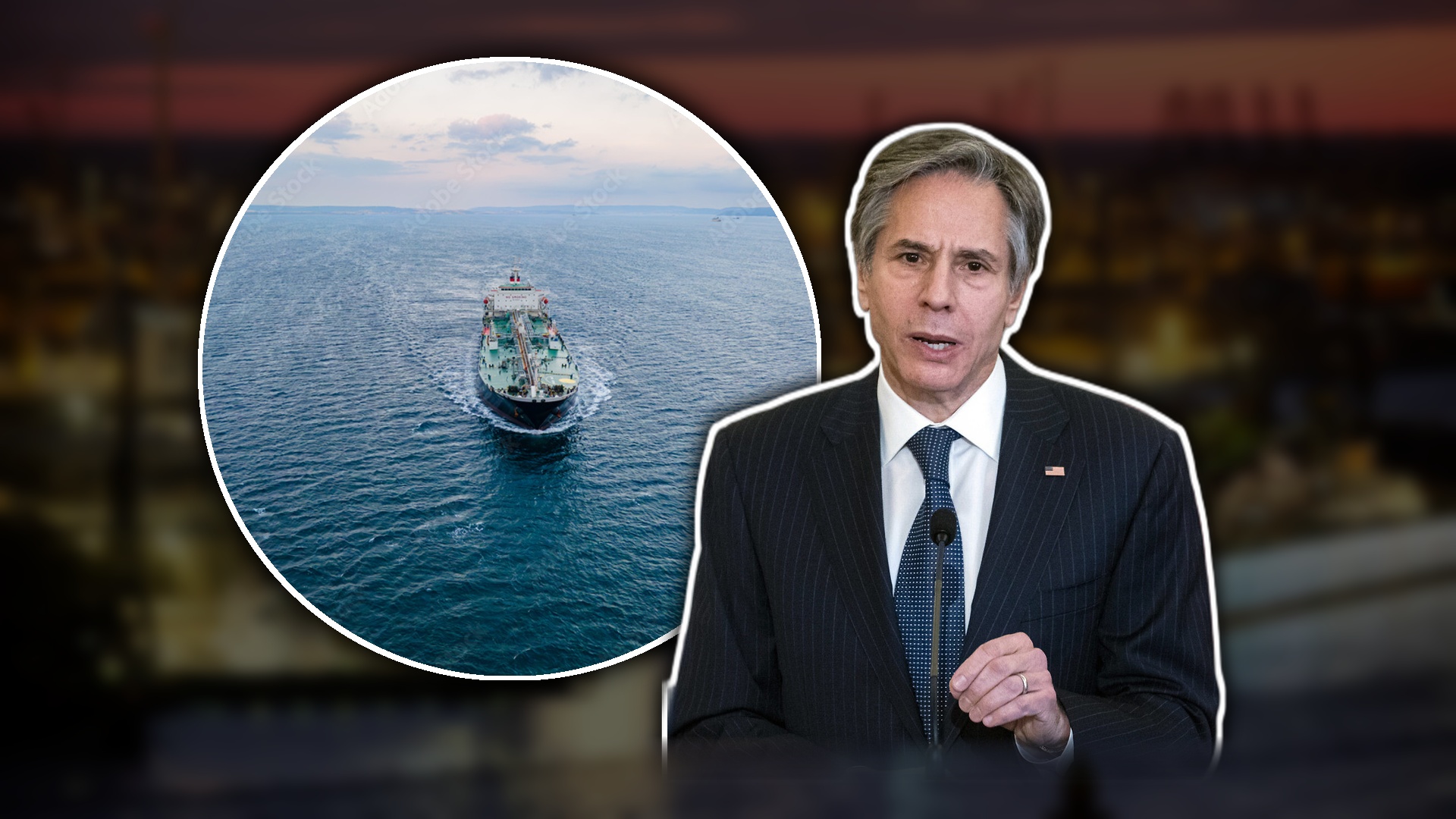
The Midnight Ticker and the Smell of Jet Fuel
On the trading floors of Lower Manhattan, the air has grown thick with a familiar, localized anxiety. It’s not just the price of Brent crude—which screamed past $97 per barrel this morning—but the realization that the geopolitical floor has dropped out. As the U.S. and Iran trade military strikes, the 'geopolitical risk premium' is no longer a theoretical line item in a spreadsheet; it is a live-fire exercise. For the veteran observer, this isn't just another spike; it is the culmination of a supply chain that has been fraying for months, now snapped by the cold reality of stalled diplomacy and kinetic warfare.
The Seven-Week Drain
While the headlines focus on the cruise missiles, the real bleed is happening in the storage tanks of the American heartland. U.S. crude stocks fell by a staggering 6.8 million barrels last week, marking the seventh consecutive weekly decline. This isn't a seasonal fluke; it’s a systemic emptying. The market is entering a peak summer demand window with its pockets turned inside out. When inventories are this thin, every headline acts as a multiplier, turning a minor skirmish into a major price shock.
This inventory erosion is the silent partner to the U.S.-Iran hostilities. As Gulf producers struggle with output losses that have plagued the region since February, the supply chain’s fragility has been laid bare. We are no longer looking at a temporary disruption, but a structural deficit that the Federal Reserve is watching with mounting dread. The central bank, once hopeful for a cooling summer, now faces an inflationary firestorm fueled by the very commodity they cannot control.
The Fed’s Impossible Choice
The conflict in the Middle East has effectively boxed Jerome Powell into a corner. Rising fuel costs are the ultimate 'tax' on the consumer, driving up everything from the price of a gallon of milk to the cost of trans-Atlantic freight. With Brent crude flirting with the $100 mark, the prospect of interest rate cuts has evaporated, replaced by the grim necessity of keeping rates elevated to combat the secondary inflationary effects of high energy costs. It is a classic stagflationary trap: growth is threatened by energy costs, yet the Fed must keep the screws tight to prevent a price-wage spiral.
Hormuz-Proofing the Desert
In the boardrooms of Riyadh and Abu Dhabi, the strategy has shifted from market share to 'Hormuz-proofing.' The vulnerability of the Strait—where 14 million barrels per day were disrupted at the peak of the crisis—has forced National Oil Companies (NOCs) to rewrite their CapEx playbooks. We are seeing a massive redirection of capital toward pipelines that bypass maritime chokepoints, such as Saudi Arabia’s East-West Pipeline expansion to the Red Sea. The message is clear: if the water isn't safe, the desert must become the highway.
However, this infrastructure pivot comes with a $58 billion reconstruction bill for damaged facilities. This is forcing a 'bifurcation' of the oil market. Barrels produced in 'safe' jurisdictions—the U.S. Permian Basin, Canada, and Brazil—are now commanding a massive strategic premium. Investors are no longer just looking at the yield of an asset; they are looking at its proximity to a missile battery.
The Windfall Tax Trap
As energy majors report record-breaking earnings on the back of $97 oil, a different kind of storm is brewing in Washington and Brussels. The 'windfall profit' narrative is gaining steam. Governments, desperate to shield voters from the pain at the pump, are increasingly looking at energy companies as piggy banks for consumer subsidies. This creates a paradoxical risk for the industry: the higher the price goes, the more likely the government is to claw back the profits.
The Strategic Paradox
Ultimately, the current crisis is fast-forwarding the very transition the oil industry has tried to pace. By making fossil fuels both expensive and unreliable, the U.S.-Iran conflict is turning energy independence into an urgent national defense priority for consuming nations. The 'securitized' energy transition is no longer about carbon footprints; it’s about decoupling from volatility. For the producers, the windfall of 2026 may very well be the catalyst that renders their core asset obsolete in the 2030s. In the high-stakes game of global energy, the most expensive barrel isn't the one you buy—it's the one you can't rely on.
Check out our Interactive Charting Tool.