The $265 Billion Desert Gamble: TSMC’s High-Stakes Arizona Bet
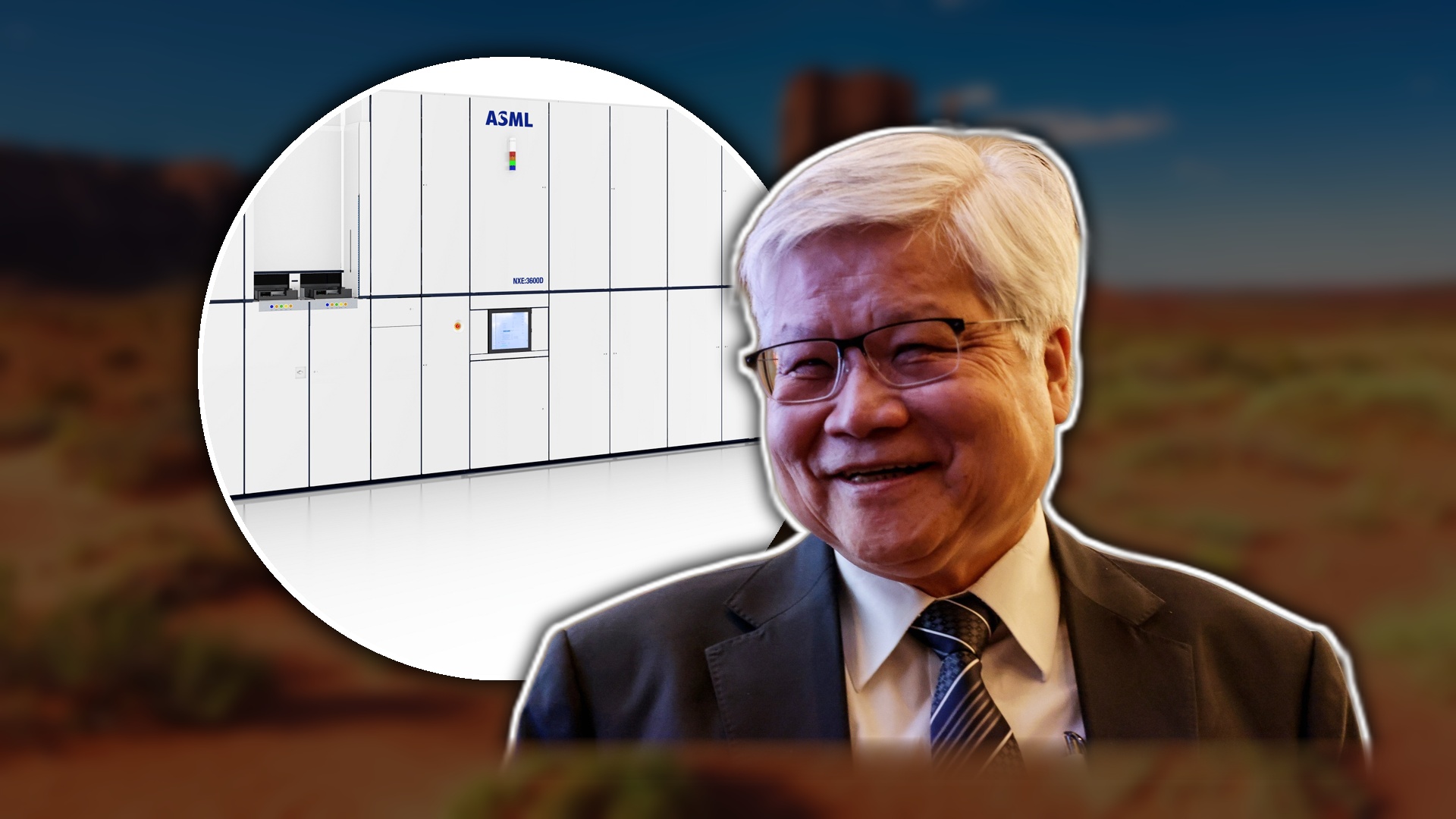
The Most Expensive Real Estate in Phoenix
Imagine trying to build the world’s most advanced kitchen in the middle of the Sonoran Desert. Now, imagine that kitchen costs $265 billion and produces things thinner than a human hair. That is the scale of Taiwan Semiconductor Manufacturing Co. ($TSM) and its massive expansion into Arizona. On paper, it’s a geopolitical masterpiece—bringing the world’s most critical technology to American soil. In practice, it’s a financial tightrope walk that has every analyst on Wall Street holding their breath.
The news is buzzing because TSMC isn’t just building a factory; they are building a fortress. With a total commitment now reaching $265 billion, they are moving 2nm production and advanced packaging to the U.S. to soothe the nerves of clients like Apple and Nvidia. But moving from the hyper-efficient ecosystem of Taiwan to the higher-cost reality of Arizona comes with a price tag that would make even a billionaire blink.
ASML’s $400 Million Cameras
While TSMC is digging holes in the desert, their best friend in the Netherlands, ASML, just dropped a bombshell of its own. ASML has upgraded its 2026 sales guidance to a staggering €43B-€45B. The driver? Something called High-NA EUV. Think of these as the world's most expensive cameras—costing upwards of $400 million each—that use extreme ultraviolet light to 'print' circuits onto silicon.
This isn't just a hardware upgrade; it’s a power move. ASML’s monopoly on this technology means that if you want to make the fastest AI chips on the planet, you have to go through them. However, TSMC is playing a clever game of 'wait and see.' While competitors like Intel are rushing to buy these $400 million machines immediately, TSMC is sticking with its existing, depreciated 'Low-NA' machines for a bit longer. Why? Because they want to protect their Operating Margin—the percentage of revenue left after paying for the actual business of making chips.
By delaying the most expensive equipment purchases, TSMC keeps its costs down while its rivals deal with the 'depreciation trap'—the accounting headache of a $400 million machine losing value while it’s still being calibrated.
The 'Made in America' Surcharge
Let’s talk about your iPhone and your AI's brain. Producing these chips in Arizona is fundamentally more expensive due to higher wages, regulatory red tape, and construction costs. To keep their Gross Margin (the profit made after direct production costs) above their 53% target, TSMC is reportedly planning to pass these costs onto you—or rather, onto Apple and Nvidia.
This is the 'Geographic Security Premium.' In a world where the Taiwan Strait is a geopolitical flashpoint, having a chip factory in Phoenix is like buying an insurance policy. TSMC knows that for companies like Nvidia, the risk of a supply chain collapse is far more expensive than a 20% hike in wafer prices. This pricing power is TSMC’s secret weapon. They aren't just selling silicon; they are selling peace of mind.
A Tale of Two Foundries
The divergence in strategy between the big players is becoming a canyon. Intel is sprinting to be the first to use ASML’s newest tools, hoping to leapfrog TSMC in tech. Samsung is taking a middle-of-the-road approach, pausing mass deployment to save cash. Meanwhile, TSMC is the disciplined veteran, focusing on Yield—the percentage of chips on a wafer that actually work.
This 'Yield Supremacy' is what keeps TSMC at the top. Even if Intel has the newest machine, if TSMC can produce 90% working chips while Intel only produces 60%, TSMC wins the margin war every single time. It's not just about having the best tools; it's about knowing how to use them without breaking the bank.
The Geopolitical Moat
Finally, we have to address the elephant in the room: China. As the U.S. tightens export controls on advanced chip-making gear, ASML is seeing its China revenue shrink. This makes the Arizona expansion even more critical. TSMC is effectively splitting the world into two ecosystems: a high-cost, high-security Western block and a subsidized, legacy-focused Chinese block.
For investors, the takeaway is clear. TSMC is no longer just a 'tech' company; it’s a 'geopolitical infrastructure' company. The Arizona project is expensive, risky, and a logistical nightmare, but it cements TSMC as the only partner the West can’t afford to lose. As long as they can maintain their pricing power and keep those Arizona fabs running smoothly, the desert might just turn into a gold mine.
Check out our Interactive Charting Tool.