The $166 Billion Refund Trap
The CAPE of Good Hope or a Political Noose?
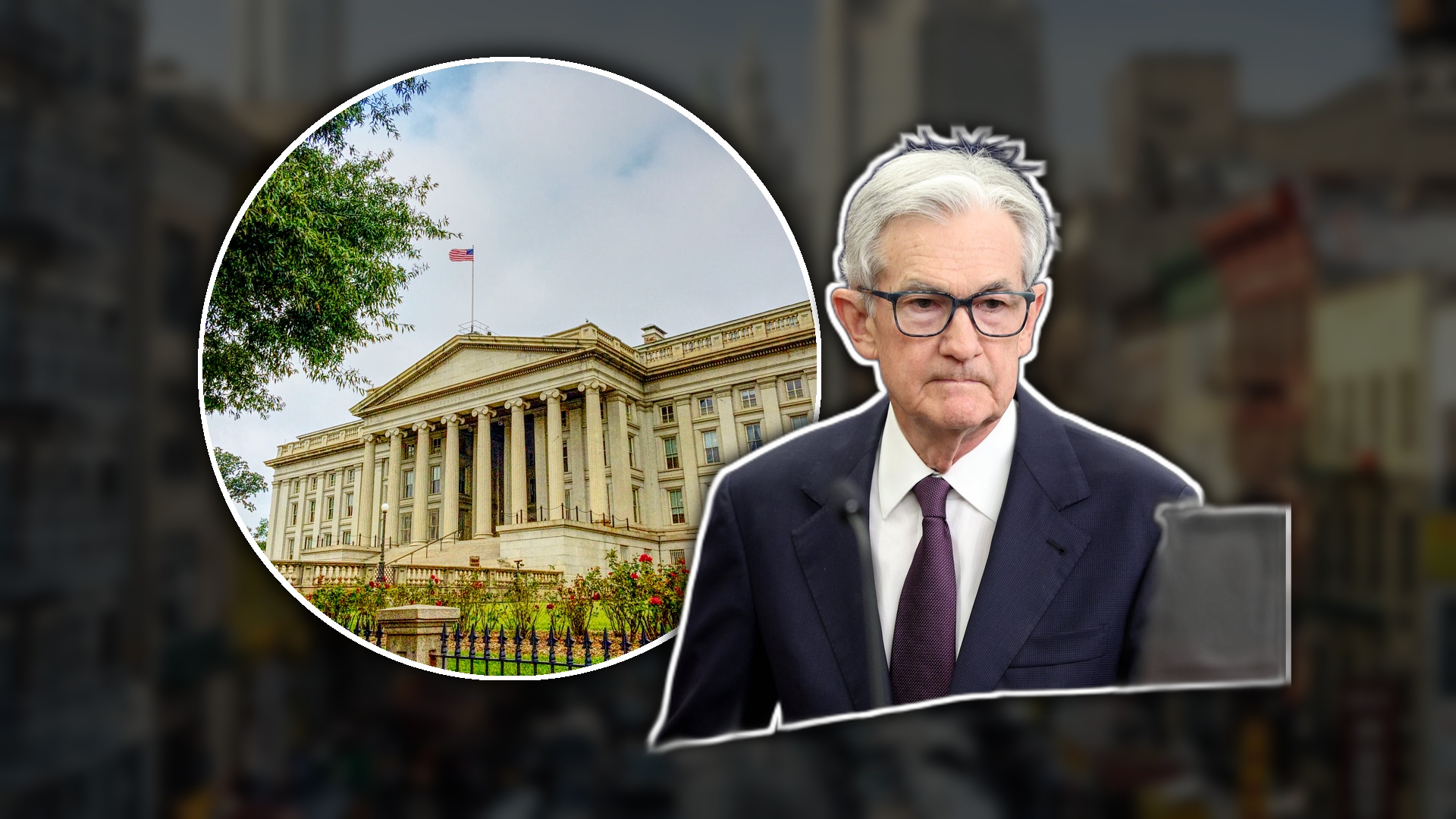
In the hushed, mahogany-rowed hallways of corporate America, the arrival of May 22, 2026, was supposed to be a day of unmitigated triumph. The Supreme Court’s ruling in Learning Resources v. Trump has effectively forced the U.S. Treasury to open its vaults, preparing to disgorge a staggering $166 billion in tariff refunds. For the titans of the S&P 500—the Walmarts, Nikes, and Apples of the world—it is the ultimate 'check is in the mail' moment. But as the first wires from the newly minted CAPE (Consolidated Administration and Processing of Entries) portal begin to hit balance sheets, the champagne is staying on ice. There is a shadow over the ledger, and it looks remarkably like a political ultimatum.
The conflict is as old as the Republic: the friction between a corporation's fiduciary duty to its shareholders and the raw, retributive power of the executive branch. While the court has spoken, the White House has signaled it has a very long memory. For a CFO, the math is simple. For a CEO, the politics are anything but.
A Fundamental Disconnect in the Ledger
When we look at the broader market performance ($MARKET), the data suggests a business environment that is fundamentally disconnected from the political rhetoric. In the absence of specific quarterly filings for the aggregate market, we must look at the 'Silent Bleed' of the last two years. Historically, when these tariffs were first imposed under the International Emergency Economic Powers Act (IEEPA), companies saw a steady erosion of their operating margins. To calculate the damage, one only needs to look at the ratio of Operating Profit to Revenue across the retail and tech sectors between 2024 and 2025. It was a slow-motion car crash of rising COGS (Cost of Goods Sold) that most firms passed directly to the consumer.
Now, the reversal is here. Walmart is estimated to be clawing back over $10 billion; Target is looking at $2.2 billion; Nike is chasing a cool billion. On paper, this should trigger a massive expansion in operating margins—a manual calculation of (Operating Profit / Revenue) for Q2 2026 would likely show a historic spike. Yet, the business performance rarely justifies the valuation if the windfall is a one-time accounting sugar high. The market is currently pricing in these refunds as 'pure alpha,' but they are, in reality, a return of stolen capital that has already been accounted for in the form of higher shelf prices.
The Sticky Price Paradox
The great corporate PR machine is currently churning out a narrative of 'reinvestment' and 'consumer relief.' Don't believe it. While companies like Apple and Nike have publicly toyed with the idea of using these funds to avoid further price hikes, the economic reality is that prices are 'sticky downward.' Once a consumer has been conditioned to pay $1,200 for a smartphone or $160 for a pair of sneakers, the manufacturer has zero incentive to lower that price just because the government returned a tax. Instead, this $166 billion is destined for the 'Margin Repair' department.
Institutional investors aren't looking for patriotism; they’re looking for buybacks. The sentiment among the heavyweights—BlackRock, Vanguard, and the like—is clear: use the windfall to optimize the capital structure. If a company diverts this cash into building a labor-intensive factory in Ohio instead of a special dividend, expect the stock price to be punished. The 'Fundamental Disconnect' here is that the one-time windfall does not fix the structural deficits of U.S. manufacturing, such as labor costs and infrastructure gaps.
The Retribution Discount
Here is where the drama turns dark. President Trump’s warning that he would 'remember' the companies that applied for these refunds is not idle chatter. It is a signal of a new kind of 'Retribution Discount' that analysts are beginning to bake into their models. For a company like FedEx or UPS, which is also navigating the replacement Section 122 tariffs, the risk of taking the refund is a localized audit nightmare. The administration can’t legally stop the refund, but they can subject the recipient to 'exhaustive, granular audits' of their entire global supply chain.
The Verdict: A Pyrrhic Victory?
As we move into the second half of 2026, the success of these companies will be measured not by the size of the check they receive from the Treasury, but by how well they can 'nearshore' their supply chains to Mexico or Southeast Asia using that capital. The $166 billion is a bridge, not a destination. It provides the liquidity to flee the 'China+1' trap, but it does so at the cost of a permanent target on the corporate back.
The market may be cheering the influx of cash today, but the 'Silent Bleed' of political risk is just beginning. In the boardroom drama of 2026, the most dangerous thing a company can be is too successful in its litigation against the state. The $166 billion is on the table, but the house always finds a way to win.
Check out our Interactive Charting Tool.