The $10.6 Billion Correction: GSK’s High-Stakes Return to Oncology
The Long Shadow of the 2014 Detour
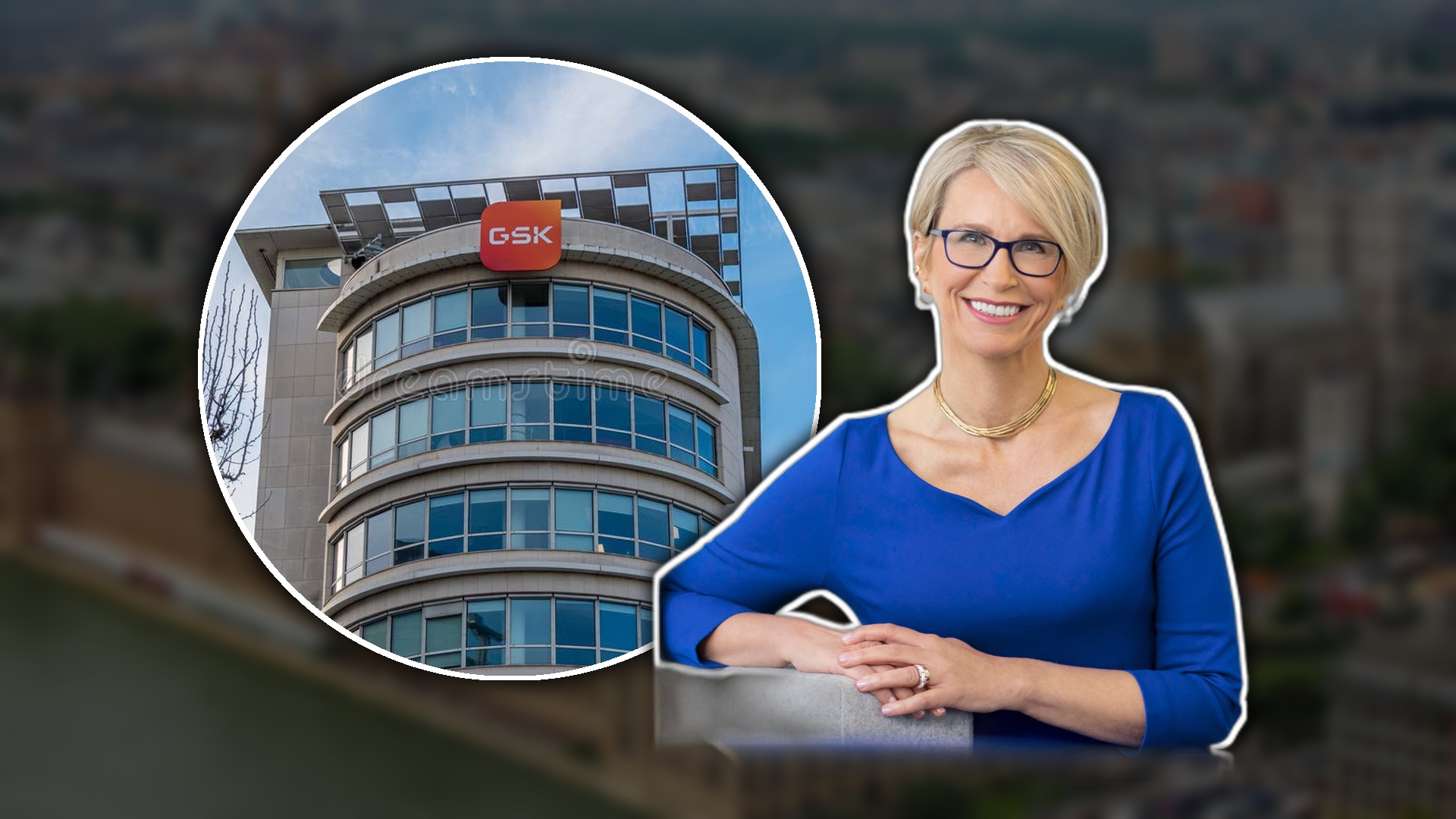
In the grand theater of pharmaceutical strategy, the most profound moves are often corrections of historical missteps. GSK’s $10.6 billion all-cash acquisition of Nuvalent ($NUVL) is precisely that: a definitive, expensive, and necessary reversal of the 2014 decision to trade its oncology portfolio to Novartis. Under the leadership of newly appointed CEO Luke Miels, GSK is no longer content with being an infectious disease and vaccine specialist. This deal signals the birth of a precision oncology powerhouse, built not on broad-spectrum immunotherapies, but on the ruthless efficiency of next-generation chemical engineering.
By offering a 40% premium for Nuvalent, GSK is paying for more than just a pipeline; it is buying a survival strategy for the next decade. The urgency is dictated by the calendar. Between 2028 and 2030, GSK faces a massive loss of exclusivity (LoE) for its blockbuster HIV medication, dolutegravir. To fill that multi-billion-dollar hole, the company requires high-margin, de-risked assets that can scale rapidly. Nuvalent’s lead candidates, zidesamtinib and neladalkib, represent that lifeline.
The Chemistry of Selectivity: Engineering a Better Moat
In the competitive landscape of Non-Small Cell Lung Cancer (NSCLC), the battle is no longer about who can kill the most cells, but who can do so with the most surgical precision. The strategic moat Nuvalent provides lies in its advanced chemical engineering. Current standards of care, such as Pfizer’s Lorbrena, are highly effective but carry heavy burdens—specifically neurological and metabolic side effects that degrade patient quality of life. Nuvalent’s assets are designed to cross the blood-brain barrier (BBB)—a critical requirement for treating CNS metastases—while maintaining extreme selectivity to avoid off-target toxicity.
This is a play for the 'Premium Niche.' Rather than fighting Merck’s Keytruda in the saturated immunotherapy market, GSK is targeting specific genetic mutations (ROS1 and ALK) found in 1% to 5% of NSCLC patients. In these segments, patient adherence is higher, and pricing power remains resilient. By focusing on molecules that address tumor evolution and secondary mutations before they occur, GSK is positioning itself to out-engineer the cancer itself.
The Death of the 'Bolt-On' Doctrine
For years, GSK’s M&A strategy under former leadership was characterized by caution—small, $2 billion to $4 billion 'bolt-on' acquisitions that filled gaps without stretching the balance sheet. The Nuvalent deal shatters that playbook. Moving from cautious additions to a $10.6 billion platform acquisition signals a new doctrine of capital allocation: the pursuit of clinical certainty at a premium price.
The 'Three-in-One' principle cited by Luke Miels justifies the price tag. GSK isn't just buying drugs; it is acquiring a technical architecture capable of rapidly out-engineering tumor resistance. This modular platform approach allows GSK to bypass the 'single-asset risk' that plagues many biotech acquisitions. Furthermore, the all-cash nature of the deal, funded by existing reserves and new debt, preserves GSK’s dividend commitments while signaling to institutional investors that the company is ready to wield its balance sheet as a competitive weapon.
Regulatory Smooth Sailing and the Road to 2031
From a macro perspective, the deal faces remarkably few hurdles. Because GSK has virtually no existing footprint in the ROS1 or ALK space, there is zero horizontal overlap—the primary trigger for FTC intervention. Regulators typically view 'outside entrants' like GSK as pro-competitive, as they provide the commercial scale necessary to bring niche therapies to a global audience. This lack of antitrust friction is a catalyst in itself, allowing GSK to focus entirely on integration and the upcoming FDA PDUFA dates in late 2026.
As we look toward the next decade, GSK’s goal is £40 billion in group sales by 2031. To get there, it must successfully integrate Nuvalent’s small molecules with its own Phase III antibody-drug conjugates (ADCs). If executed correctly, GSK won't just be a participant in the oncology market; it will own a comprehensive ecosystem for biomarker-driven lung cancer treatment. The $10.6 billion spent today is the entry fee for a seat at the table of the pharmaceutical elite in the 2030s.
Check out our Interactive Charting Tool.