SpaceX Just Broke the Market (and Maybe Gravity)
The $2.5 Trillion Gravity Well
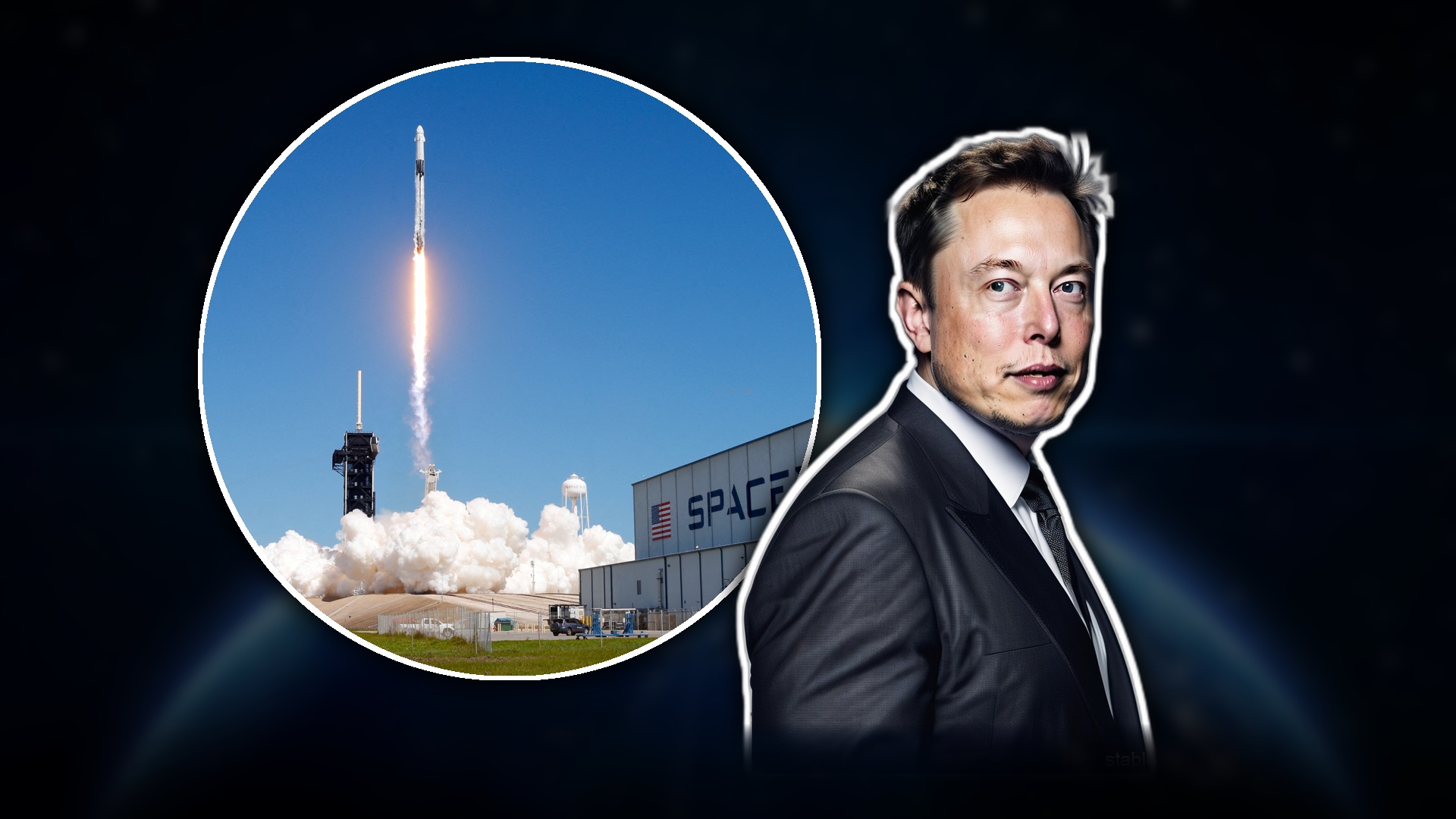
Forget the moon; SpaceX just aimed for the entire S&P 500. On June 17, 2026, the financial world witnessed something closer to a supernova than an IPO. After raising a staggering $85.7 billion—bolstered by a fully exercised greenshoe option—SpaceX shares didn't just 'pop'; they went into orbit, surging 40% in two days. We aren't just talking about a rocket company anymore. With a valuation crossing the $2.5 trillion mark, SpaceX is now being priced as the ultimate multi-platform utility: part transportation, part global internet provider, and part orbital AI brain.
The 'Moat' Is Now a Galaxy
Why are institutional heavyweights like Ron Baron and Gina Rinehart dumping billions into a company that burns through $20 billion in capex a year? Because SpaceX has effectively institutionalized a monopoly. While legacy players were debating fuel types, SpaceX was building an infrastructure layer that the rest of the world now has to rent. By integrating xAI (now SpaceXAI) with Starlink’s massive recurring revenue, the company has created a 'Space-as-an-Infrastructure' model that traditional aerospace firms simply aren't equipped to fight.
The 'Price Umbrella' is Collapsing for Competitors
For legacy players like United Launch Alliance (ULA) and Viasat, the SpaceX IPO is a direct threat to their survival. ULA’s Vulcan Centaur is facing intense margin compression as SpaceX drives launch costs into the dirt via the Falcon 9 and the emerging Starship platform. Meanwhile, Viasat is staring down a Starlink constellation that already boasts 10 million subscribers. If Viasat can't pivot to niche defense contracts or hybrid connectivity, they risk becoming a footnote in the history of the old 'Geostationary' era.
The Tesla-SpaceX Voltron Scenario
The most provocative story on the floor isn't just the IPO—it's the potential merger. Speculation is reaching a fever pitch regarding a formal combination of Tesla and SpaceX. Imagine a $3.5 trillion techno-conglomerate where your car doesn't just drive itself using local sensors, but connects natively to an orbital AI network that bypasses terrestrial fiber-optic bottlenecks entirely. While the FTC and DOJ are likely sharpening their pens to fight this 'Data Monopoly,' the operational efficiency of combining Tesla’s manufacturing scale with SpaceX’s launch dominance would create a technological moat that could take decades to breach.
What to Watch: The 'Starship' Stress Test
Despite the euphoria, the 'Hype Multiplier' is real. SpaceX is currently trading at over 90x price-to-sales, a valuation that demands perfection. To justify this, institutional bulls like Cathie Wood’s ARK Invest are laser-focused on three milestones: 1) Starship achieving rapid reusability (launching and landing within hours), 2) Starlink nearly doubling its subscriber base, and 3) the successful deployment of orbital data centers. If Starship development hits a bottleneck, that $2.5 trillion valuation could experience a very terrestrial crash landing.
Check out our Interactive Charting Tool.