RAW OUTPUT
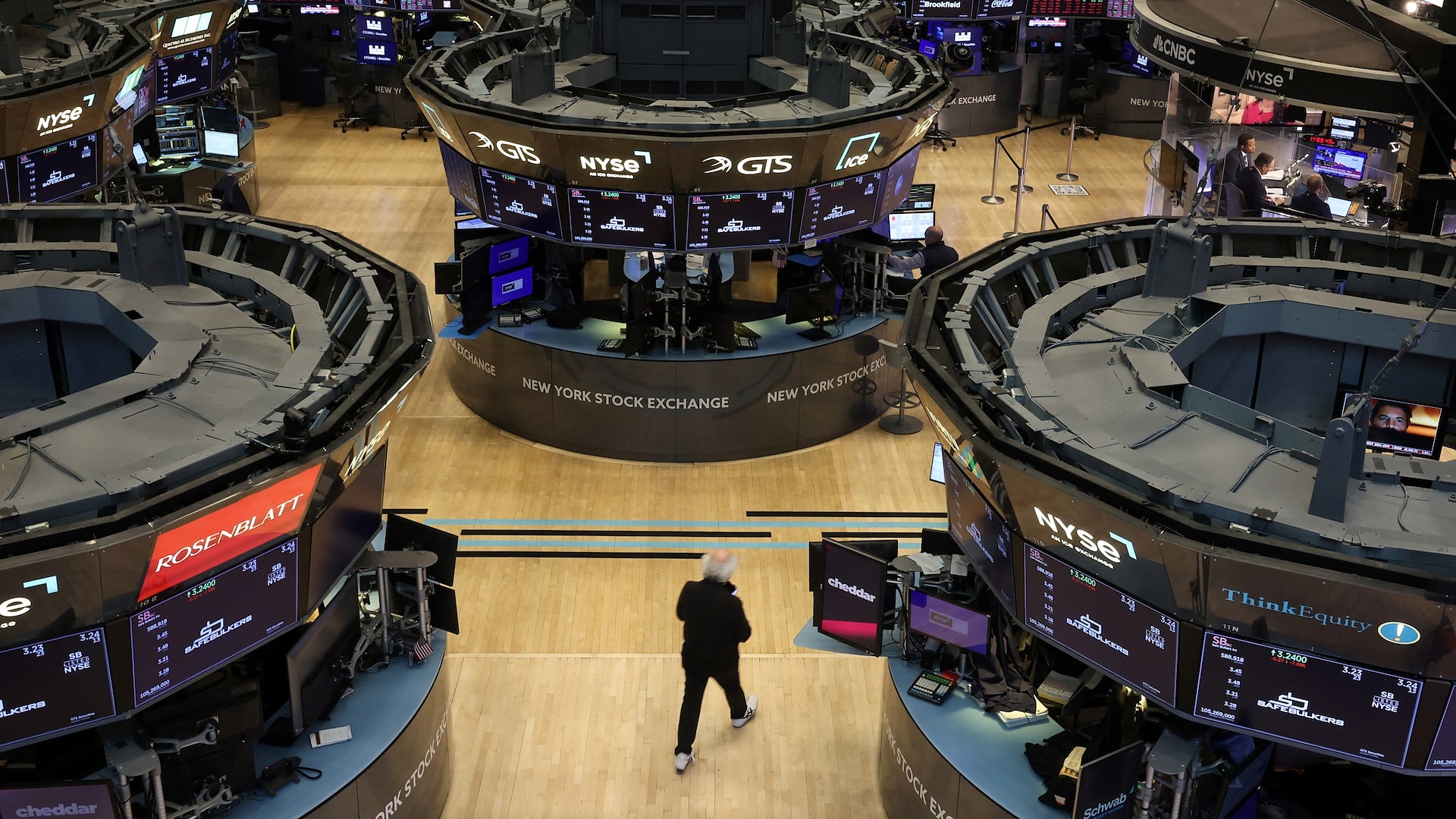
At 3:00 AM in London, the historic trading floors of the City are usually cast in shadow, a quiet interlude before the morning bell. But in the digital ether, the markets never sleep. Retail traders from Singapore to Frankfurt are actively swapping digital tokens, bidding up synthetic equities, and navigating highly volatile, round-the-clock markets. For decades, traditional exchanges watched this nocturnal capital flight with a mix of disdain and envy. Now, the empire is striking back.
The London Stock Exchange Group ($LSEG) has fired a warning shot across the bow of the global financial establishment, announcing plans to launch a dedicated overnight trading venue in early 2027. Operating from 5:00 PM to 7:50 AM London time, the initiative is a direct play to capture global retail volume, neutralize crypto-native venues, and repatriate late-night liquidity to a regulated, centralized order book. Yet, behind the triumphant corporate press releases lies a stark, uncomfortable reality: this structural shift threatens to dismantle the profit engines of the very retail brokerages LSEG needs to attract.
The Death of the Off-Hours Premium
For multi-asset retail platforms like eToro ($ETOR), the status quo has been exceptionally lucrative. Historically, when traditional markets closed, retail brokerages held a virtual monopoly on extended-hours trading. Because liquidity during off-hours was thin and fragmented, these platforms could internalize order flow—matching buyers and sellers in-house—or utilize private market makers. This lack of a centralized pricing benchmark allowed brokers to widen bid-ask spreads significantly, pocketing the difference as high-margin revenue.
LSEG’s centralized overnight venue changes the game entirely. By consolidating overnight liquidity on a transparent, lit central limit order book, the exchange will force a dramatic compression of bid-ask spreads. Retail investors, suddenly armed with real-time exchange pricing, will no longer tolerate the wide, opaque markups charged by legacy retail platforms.
Furthermore, the move directly threatens the crown jewel of retail brokerage profitability: Contracts for Difference (CFDs) and overnight holding fees. Historically, traders utilized leveraged CFDs to speculate on assets after hours, paying brokers lucrative rollover fees to keep positions open overnight. If physical Exchange-Traded Products (ETPs) and equities become seamlessly tradeable 24/7 on a regulated venue with lower holding costs, retail demand will inevitably migrate away from high-margin derivatives toward spot products. For eToro and its peers, the lucrative \"off-hours premium\" is about to evaporate.
The Plumbing Problem: Clearing in the Dark
While retail brokerages face a commercial squeeze, institutional players are looking at LSEG’s midnight run with deep operational skepticism. The primary obstacle is not the front-end trading technology, but the archaic post-trade plumbing of global finance.
Traditional capital markets rely on a highly synchronized, daytime-only settlement cycle. Central Securities Depositories (CSDs) like Euroclear UK & International utilize overnight windows to run batch-processing jobs—reconciling security ownership, calculating corporate actions, and finalizing stock loans. Forcing these systems into a continuous, near-24/7 environment without massive capital drag is an engineering nightmare. LSEG’s proposed 30-minute daily operational pause (6:30 PM to 7:00 PM London time) is a desperate concession to these legacy frameworks, but it creates a dangerous micro-window of systemic vulnerability where participants cannot actively manage risk.
An even greater hurdle is the payment rail gap. High-value Real-Time Gross Settlement (RTGS) systems, such as the Bank of England's CHAPS or Europe's TARGET2, do not operate overnight. If a volatile market swing triggers an intraday margin call at 2:00 AM, Central Counterparty Clearing Houses (CCPs) like LCH will require clearing members—investment banks and prime brokers—to post collateral immediately. Without functioning central bank payment rails, clearing firms will be forced to hold massive, expensive overnight cash and high-quality liquid asset (HQLA) buffers. This \"collateral drag\" will inevitably raise the cost of clearing, a cost that prime brokers will pass directly down to retail platforms.
The Cloud Bill and the 30-Minute Crunch
To survive in this new paradigm, retail brokerages must radically overhaul their IT infrastructure, transforming their cost structures from variable execution fees to fixed, heavy capital expenditures. Managing continuous, real-time Level 1 and Level 2 market data feeds eliminates the traditional low-traffic hours that IT departments historically used for database maintenance, system upgrades, and batch processing.
Cloud infrastructure costs (AWS, Azure, GCP) will scale exponentially. Continuous order-routing engines and real-time WebSocket data broadcasting to millions of mobile clients require baseline, non-peak compute power that never shuts down. Additionally, legacy back-office systems must be migrated to modern, event-driven streaming architectures capable of processing settlements and risk calculations on the fly, rather than waiting for the end-of-day batch run.
Risk management must also become entirely algorithmic. With LSEG designing its overnight venue to natively support autonomous, agentic AI trading tools, retail brokers will face a barrage of high-frequency, automated order flows. Upgrading API gateways to handle these bursts, implementing real-time pre-trade risk controls, and establishing automated guardrails to prevent runaway algorithmic cascades will require millions of dollars in upfront development costs—all while the revenue yield per trade continues to decline.
Who Wins the Waiting Game?
If LSEG faces regulatory delays or struggles to modernize CSD settlement frameworks before the 2027 launch, agile competitors are waiting in the wings to seize the initiative. U.S. operators are already moving aggressively; Cboe’s EDGX exchange and Nasdaq’s 23-hour weekday model are rapidly progressing through SEC channels. If LSEG falters, European and Asian capital seeking overnight equity exposure will simply route to established U.S. venues.
Meanwhile, private Alternative Trading Systems (ATS) like Blue Ocean, alongside tech-enabled clearing firms, already power overnight trading for major retail brokerages without requiring a complete overhaul of global CSD infrastructure. These dark pools will continue to monetize off-hours flow via bilateral spreads while traditional exchange-level solutions remain bogged down in regulatory approvals.
Ultimately, LSEG’s 24-hour venture is a bold, necessary step to keep traditional finance relevant in a digital-first world. But for the retail brokerage industry, the message is clear: the cozy, high-margin nights are over. To survive the dawn of 24-hour trading, platforms like eToro must pivot away from spread monetization and prepare for a high-volume, low-margin street fight.
Check out our Interactive Charting Tool.