Lucid’s 29% Moonshot: The Saudi Safety Net vs. The Cash Bonfire
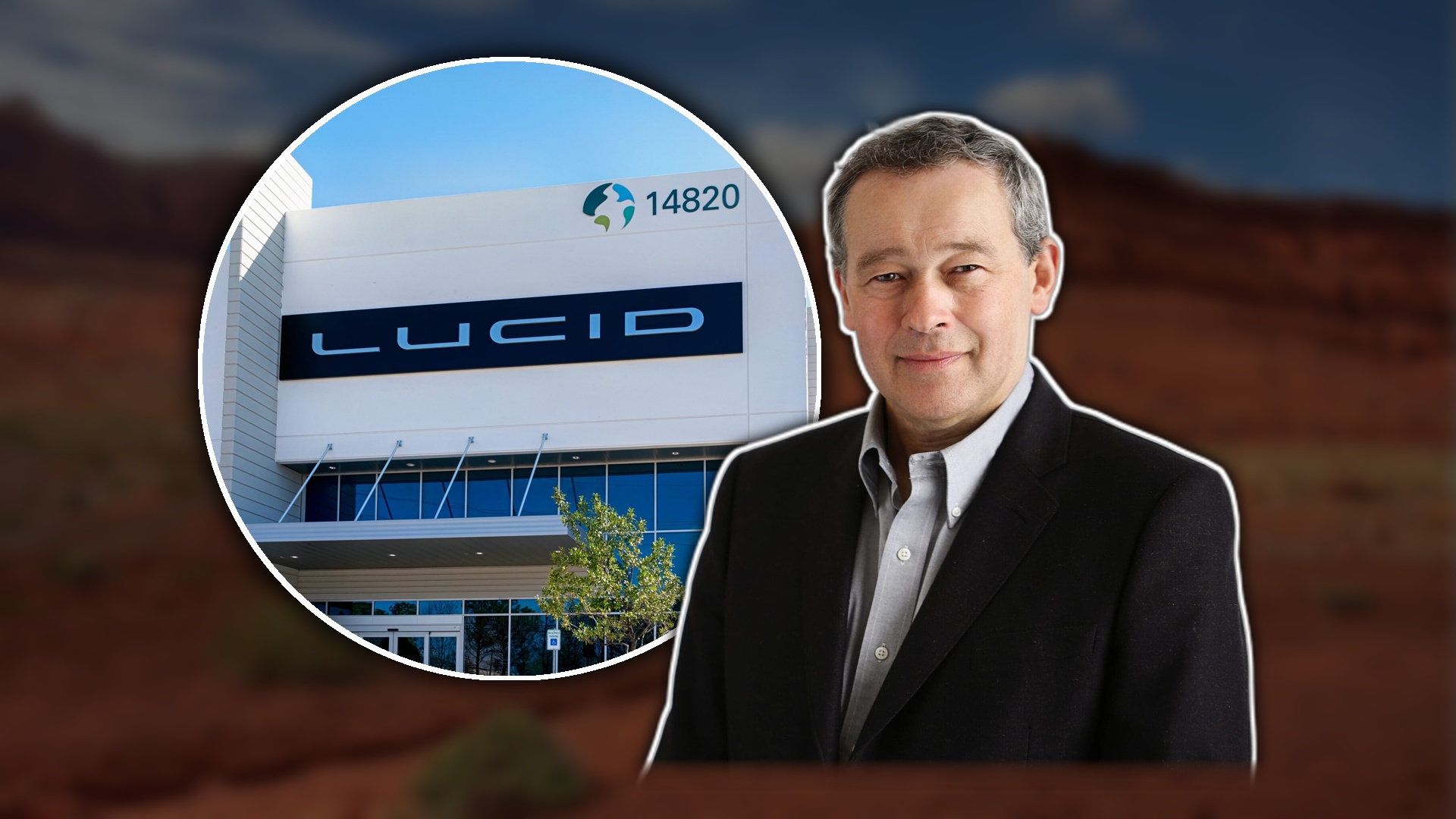
The 29% Rebound: Rumors of My Death Have Been Greatly Exaggerated
Lucid Group ($LCID) investors just experienced a masterclass in market whiplash. After weeks of whispers suggesting the luxury EV maker was heading for the corporate graveyard or a forced private buyout, management stepped into the ring. The denial was swift, the market reaction was even swifter, and the stock price pulled a 29% U-turn that left short-sellers scrambling for the exits. But as the smoke clears, we have to ask: is Lucid actually healthy, or is it just the world's most expensive patient on a permanent life-support machine?
The current narrative revolves around a staggering $4.7 billion in pro forma liquidity. To put that in perspective, while most EV startups are checking under the couch cushions for spare change, Lucid is sitting on a mountain of cash. However, that mountain is being eroded by a quarterly burn rate that would make a rockstar blush. We’re talking about a company that effectively spends $2 to make $1. Let’s dive into why the math doesn't add up, and why that might not actually matter for the time being.
The $2 Problem: When Making a Car Costs More Than Selling It
Lucid’s current unit economics are, to put it bluntly, terrifying for anyone who likes traditional accounting. In the most recent data, the company generated $282 million in revenue but spent $594 million just to build those cars. That is a gross margin of -110%. In simple terms: if you bought a Lucid for $100,000, it cost the company $210,000 to get it to your driveway. This isn't just a small leak; it’s a structural waterfall.
This phenomenon is known as the "under-absorption of fixed costs." Lucid has built massive, state-of-the-art factories in Arizona and Saudi Arabia designed to pump out hundreds of thousands of cars. But because they only delivered roughly 15,841 vehicles in 2025, the cost of those giant buildings and expensive robots is being spread across a tiny number of cars. It’s like renting out an entire stadium for a birthday party of five people—the ticket price per person is going to be astronomical.
The Sovereign Moat: A Rich Uncle Named Saudi Arabia
Why isn't the stock at zero? Enter the Public Investment Fund (PIF) of Saudi Arabia. Owning roughly 60% of the company, the PIF provides what we call a "Sovereign Moat." This isn't just a friendly investor; it’s a geopolitical backstop. For the Kingdom, Lucid isn't just a car company—it’s a symbol of their transition away from oil. If Lucid fails, it’s a blow to Saudi Arabia’s industrial reputation. Therefore, the PIF acts as the "lender of last resort."
This relationship creates a unique credit profile. While a normal company with Lucid's losses would be paying double-digit interest rates on debt, Lucid can tap into multi-billion dollar credit lines on favorable terms because the world knows the Saudi's won't let the check bounce. However, this safety net comes with a price for retail investors: dilution. Every time Lucid needs another billion to keep the lights on, they often issue more shares, which means your slice of the pie gets smaller and smaller. It’s not "death by bankruptcy," it’s "death by a thousand capital calls."
Gravity’s Pull: The SUV That Must Save the Balance Sheet
So, how does Lucid stop the bleeding? It all comes down to the Gravity SUV. In the car world, sedans (like the Lucid Air) are prestige pieces, but SUVs are the profit engines. The Gravity, starting around $79,900, is designed to be the volume leader. If Lucid can successfully ramp up Gravity production to 15,000+ units a year by 2027, they might finally start to see the "absorption" they need to turn those gross margins from red to black.
But the path to 2027 is paved with production hell. We saw it with Tesla's Model 3 and Rivian's R1 platform. Tesla was burning $700 million a quarter with only $3.5 billion in the bank during its darkest days—a much tighter spot than Lucid is in now. Lucid has the cash to survive the ramp, but they have zero room for error in their supply chain. Any more seat delivery bottlenecks or software glitches, and the PIF might have to open the checkbook again, further diluting the public shareholders.
The Verdict: A High-Stakes Game of Chicken
Lucid is currently a tale of two companies. Operationally, it's a struggling startup trying to find its footing in a cooling EV market. Financially, it’s a protected asset of one of the wealthiest nations on earth. The 29% rebound shows that the market still believes in the technology and the backstop, but the path to positive free cash flow by 2027 is a vertical climb. For investors, the question isn't "Will Lucid go bankrupt?" (the answer is likely no), but rather "Will there be any equity value left for me by the time they become profitable?"
Check out our Interactive Charting Tool.