Iran’s $10 Billion Crypto Toll: A New Chokehold on Global Oil
The Digital Shakedown in the Strait
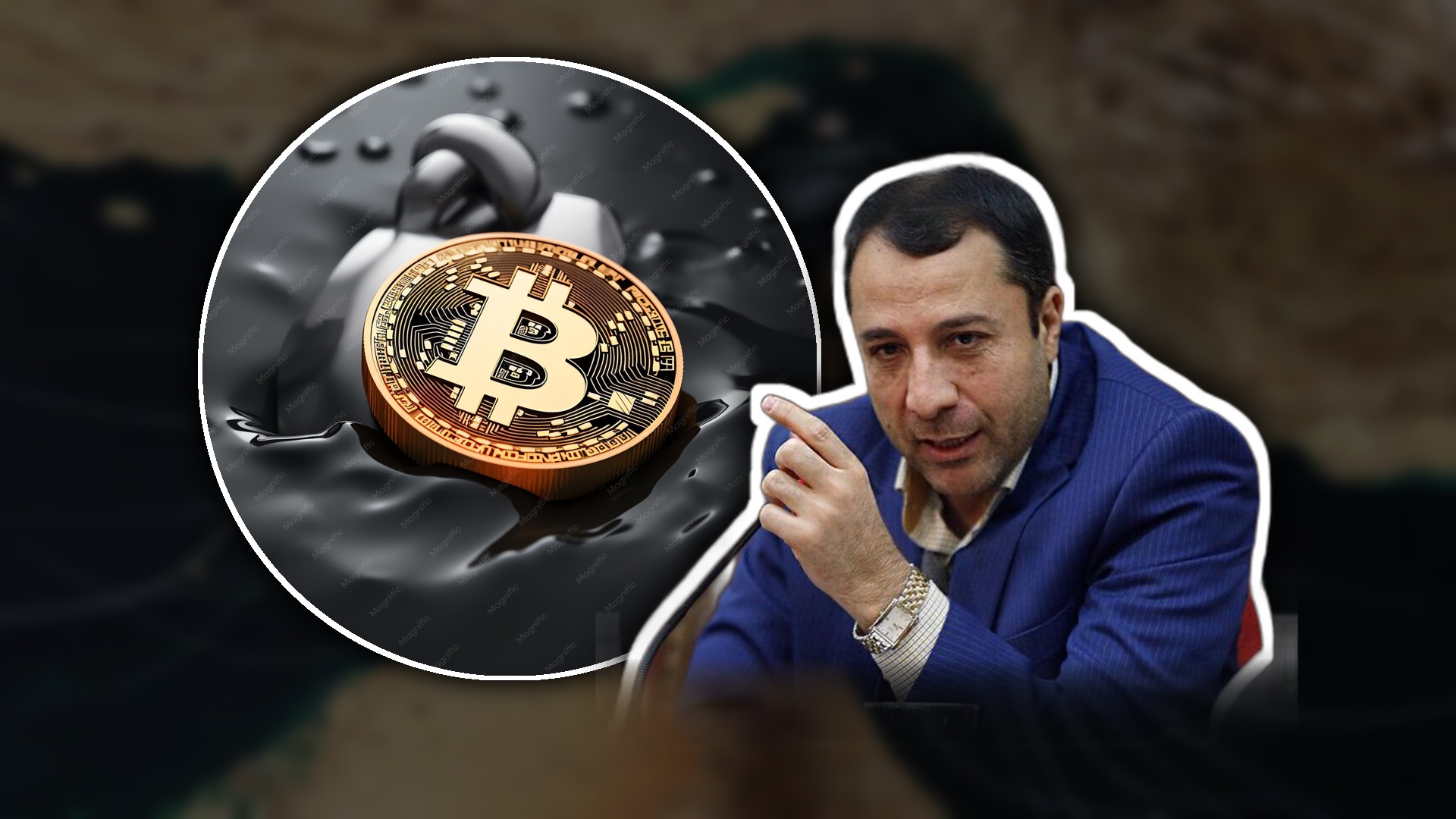
Imagine a neighborhood where the local bully stops smashing windows and starts selling 'window insurance' instead—but he only accepts payment in untraceable digital tokens. That is essentially what is happening in the Strait of Hormuz right now. Iran has just unveiled 'Hormuz Safe,' a Bitcoin-based insurance platform designed to wrap a state-enforced toll booth inside a commercial package. By charging ships for 'safe passage' in cryptocurrency, Tehran is aiming to bypass the SWIFT banking system and pocket a cool $10 billion annually.
This move comes at a bizarre geopolitical moment. President Trump recently called off a planned military strike on Iran, opting for the diplomatic route at the request of Gulf allies. But while the missiles stayed in their silos, the economic chess pieces are moving faster than ever. For investors, this isn't just a regional spat; it’s a structural shift in how 20% of the world’s oil supply is managed and monetized.
The Two-Tier Shipping Economy
The launch of Hormuz Safe is effectively splitting the global shipping industry into two distinct camps. In one corner, you have the 'Traditional Fleet'—the big, Western-insured ships that play by the rules. For these operators, Hormuz Safe is a toxic asset. Interacting with it means catching the attention of the U.S. Office of Foreign Assets Control (OFAC), which could lead to blacklisting and frozen assets. As one market analyst put it: "Traditional P&I clubs are explicitly warning shipowners that buying a Hormuz Safe policy will automatically void their Western coverage. You’re either in the global system, or you’re out."
In the other corner, we have the 'Shadow Fleet.' These are non-Western operators or state-backed entities from countries less concerned with U.S. sanctions. For them, Hormuz Safe is a VIP pass. By paying the Bitcoin premium, they secure a guarantee against inspections and detentions by Iranian forces. This creates a massive competitive disadvantage for Western oil majors who now have to choose between paying sky-high 'War Risk' premiums to traditional insurers or taking the long, expensive way around Africa.
The Death of the Safe Haven
Usually, when things go sideways in the Middle East, investors run to government bonds for safety. Not this time. Because this conflict is driven by energy supply shocks, it’s acting as a massive inflation engine. When oil prices jump, the cost of moving everything from iPhones to avocados goes up. This 'supply-side' inflation erodes the value of fixed-income payments, making bonds look a lot less like a sanctuary and a lot more like a liability.
We are seeing this play out in the 'Term Premium'—the extra yield investors demand for holding long-term debt. The 10-year U.S. Treasury yield recently spiked past 4.60%, signaling that the market is pricing in a 'higher-for-longer' inflation environment. "The traditional playbook where bonds go up when stocks go down is broken," noted one institutional strategist. "When the shock comes from the gas pump, bonds lose their hedging power."
The 'HALO' Effect and Portfolio Pivot
Smart money is already rotating. We’re seeing a decisive shift into what insiders call 'HALO' sectors—companies with Heavy Assets and Low Openness. Think upstream oil producers, defense contractors, and physical maritime logistics firms. These are the businesses that can pass along the 'Hormuz Tax' to consumers or even benefit from the increased demand for security and alternative infrastructure.
Meanwhile, the 'Bitcoin' aspect of this story adds a layer of technical friction. While Iran is using BTC to achieve financial sovereignty, every transaction is recorded on a public, immutable ledger. Global blockchain analytics firms are already 'tainting' these wallet addresses. Any shipping company that tries to off-ramp those assets later will find themselves locked out of the legitimate financial system. It’s a transparency paradox: Iran is using a public tool to run a private shakedown, and the digital paper trail is permanent.
The Bottom Line
The 'Hormuz Safe' platform isn't just a temporary flashpoint; it's the formalization of a bifurcated global economy. Investors should stop waiting for a return to 'normal' and start accounting for a permanent 'war risk premium' in energy prices. Whether diplomacy wins out or tensions escalate further, the era of 'free and open' transit through the world's most important oil chokepoint has just been replaced by a $10 billion crypto paywall.
Check out our Interactive Charting Tool.