Google’s Heavy Metal Shift: The End of the Asset-Light Era
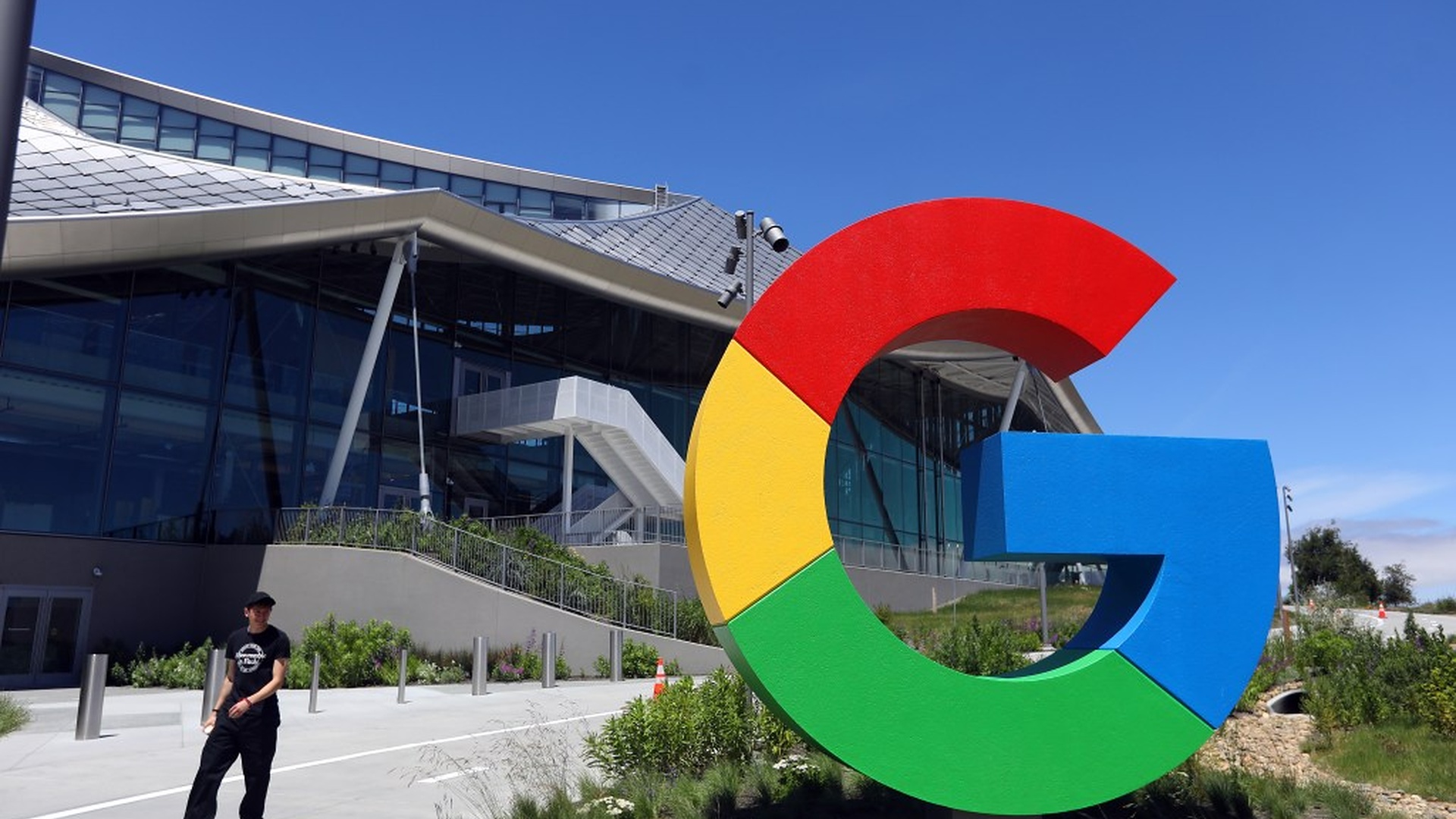
The $28 Billion Hum of Mountain View
On a sweltering July afternoon in Mountain View, the heat isn’t just coming from the California sun. It is radiating from the massive, power-hungry server farms that have become the new foundation of Alphabet’s empire. For decades, Google ($GOOGL) was the ultimate asset-light business—a collection of brilliant code and clever algorithms that extracted a toll from the world’s information. But the Q2 2026 results confirm what insiders have whispered for months: the era of the high-margin software tollbooth is dead. In its place stands a capital-intensive infrastructure titan, trading its cash reserves for silicon and cooling systems.
The numbers are staggering. In the final quarter of 2025, Alphabet’s revenue reached a record $113.8 billion, a 48% jump from the $76.7 billion recorded just two years prior. Yet, a deeper look at the balance sheet reveals a company undergoing a fundamental identity crisis. Property and equipment, net of depreciation, has ballooned from $125.7 billion in Q3 2023 to a massive $246.6 billion by the end of 2025. This isn't just growth; it's a structural transformation into a heavy-metal hardware provider.
The Infrastructure Tax on Innovation
The core of the investor anxiety lies in the 'Infrastructure Tax' now being levied against every dollar of search revenue. Management has repeatedly signaled that the risk of under-investing in AI outweighs the risk of over-investing, but the market is beginning to do the math. In Q3 2023, Alphabet’s Capital Expenditure (CapEx) per share was a manageable $0.64. Fast forward to Q4 2025, and that figure has surged to $2.30.
This shift is most evident in the Free Cash Flow (FCF) metrics. While revenue per share grew by roughly 54% over the two-year period, the FCF per share barely budged, moving from $1.80 to $2.03. The massive top-line gains are being swallowed by the insatiable hunger of the data centers required to power Gemini and AI Overviews. The FCF yield, once a healthy 4.75% in 2023, has eroded to a mere 1.93% as of the latest reporting period.
The TPU Moat and the Cloud Margin Miracle
However, Alphabet is not merely throwing money into a black hole. Unlike its competitors, Google possesses a secret weapon: the Tensor Processing Unit (TPU). While Microsoft ($MSFT) and Meta ($META) are locked in a bidding war for NVIDIA’s latest Blackwell chips, Google’s vertical integration allows it to control its own silicon destiny. This internal supply chain is the primary reason Google Cloud’s operating margins have remained resilient despite the spending spree.
Operating margins for the total business actually improved from 27.8% in Q3 2023 to 31.6% in Q4 2025, defying the skeptics who predicted a total margin collapse. By distilling models into hyper-efficient variants like the Gemini Flash family, Google has managed to lower the 'cost per query' significantly. But this is a race against time. As search shifts toward 'zero-click' AI responses, the company must find a way to monetize the answer itself, rather than the click that leads to it.
The Zero-Click Ghost in the Machine
The structural risk to the core search business remains the 'Zero-Click' phenomenon. Traditional search advertising relies on the user journey from query to click. Generative AI disrupts this by providing the answer directly on the results page. Internal data suggests that zero-click searches now exceed 60% in categories where AI Overviews are active. This is the 'silent bleed'—revenue that never happens because the user's intent was satisfied by a synthetic response.
Compared to Microsoft, which can mask these costs through enterprise SaaS seat licenses (Copilot), or Meta, which uses AI primarily to juice ad targeting precision, Google is in a defensive crouch. It must spend billions to prevent its users from migrating to AI-first alternatives like Perplexity or ChatGPT, even if that spending cannibalizes its own high-margin legacy links. It is a classic 'Innovator's Dilemma' played out on a multi-billion dollar stage.
The Payback Period Problem
For institutional investors, the valuation model for Alphabet is being rewritten. Historically valued as a high-growth software company, the market is now treating it more like a utility or a capital-intensive manufacturer. The P/E ratio has crept up to 28.9, while the P/FCF ratio has rocketed to 51.7. This suggests that investors are pricing in a massive future payoff from AI that has yet to fully materialize in the cash flow statement.
As the depreciation of these assets begins to hit the P&L—with depreciation expenses already doubling from $3.1 billion to $6.0 billion over the last eight quarters—the pressure on operating income will only intensify. Alphabet has successfully built the silicon fortress, but the cost of defending it may mean the days of easy, asset-light growth are gone forever. The giant is now made of heavy metal, and it must move faster than ever just to stay in place.
Check out our Interactive Charting Tool.