Google’s $200 Billion Bet: The High Cost of Staying on Top
The Great Silicon Land Grab
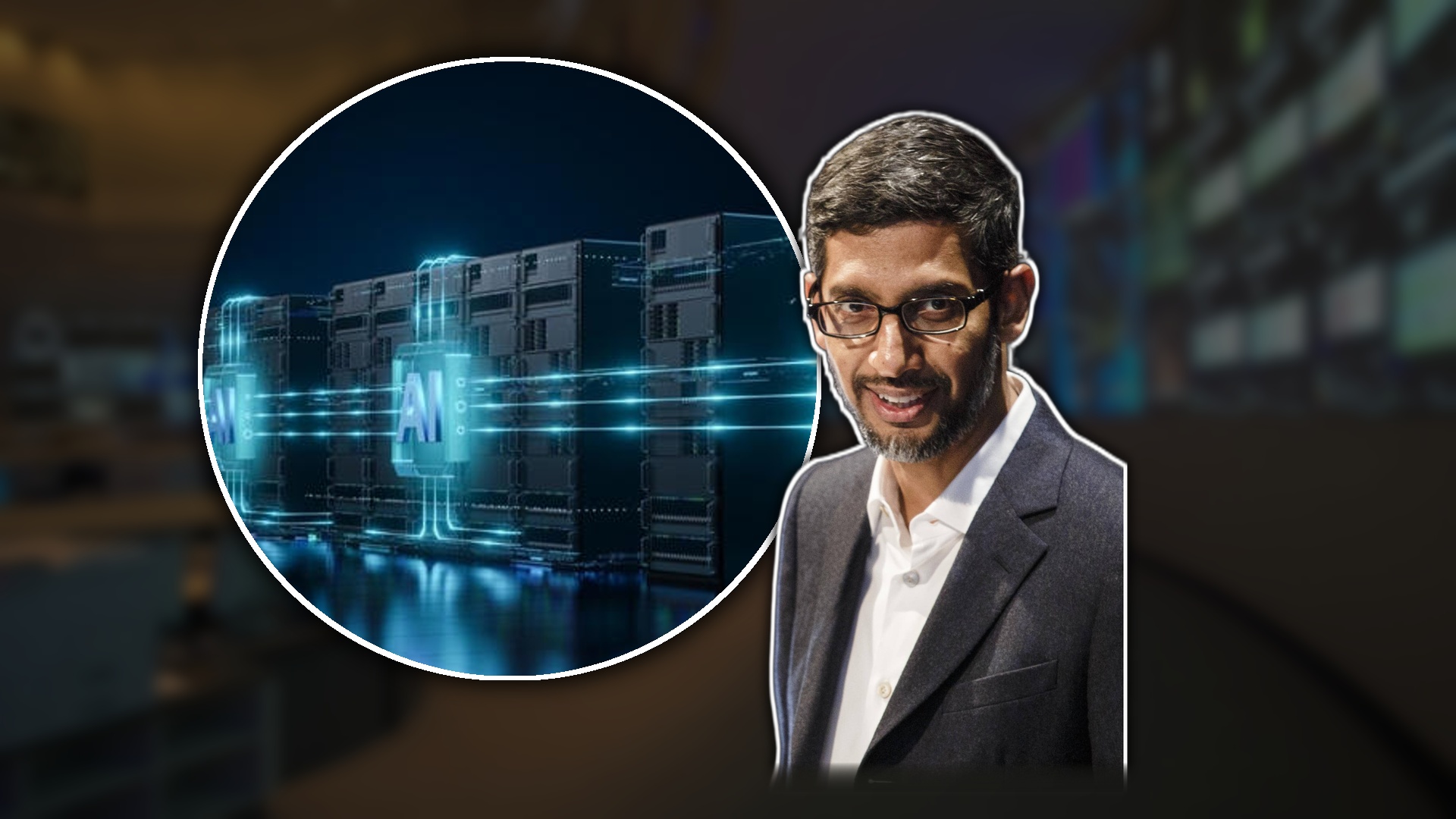
In the windowless data centers of the Permian Basin and the high-desert plains of Texas, the future of the global economy is being forged in silicon and steel. For years, Alphabet ($GOOGL) was the poster child for the 'capital-light' software revolution—a business that printed money with little more than clever algorithms and an auction-based ad server. Those days are over. The latest internal guidance from Mountain View suggests a total capital expenditure (CapEx) upgrade to a range of $195 billion to $205 billion. It is a number so large it ceases to be a financial metric and becomes a geopolitical statement.
This isn't just about maintaining a search engine; it’s an all-out arms race to build the physical foundation of Artificial Intelligence. While the markets have cheered Google's Cloud segment growth—a staggering 82% increase—the underlying cost of that growth is beginning to weigh on a balance sheet that once seemed impenetrable.
The Cloud Mirage and the Margin Trap
On paper, Alphabet’s performance remains dominant. Revenue for Q4 2025 hit $113.8 billion, a significant jump from the $76.7 billion recorded in Q3 2023. However, a deeper look at the efficiency ratios reveals a silent bleed. The company’s Operating Margin, while still healthy at 31.57%, is fighting a losing battle against the sheer gravity of its depreciation schedule. In Q3 2023, depreciation of property and equipment sat at $3.17 billion; by Q4 2025, it had nearly doubled to $6.04 billion.
The conflict is clear: To win in AI, Google must spend. But to spend, it must sacrifice the very cash-flow purity that made it a Wall Street darling. The company's EV/FCF (Enterprise Value to Free Cash Flow) has ballooned from 21.93 in late 2023 to a dizzying 53.34 by the end of 2025. This suggests that investors are paying more than double for every dollar of actual cash the business generates compared to just two years ago.
The Debt Paradox and the BlackRock Shadow
Perhaps the most startling shift in the Alphabet narrative is the quiet accumulation of leverage. Long-term debt has surged from $13.78 billion in Q3 2023 to $46.55 billion in Q4 2025. While Alphabet still maintains a massive cash pile of $126.8 billion, the decision to triple its debt load while simultaneously scaling back stock buybacks—which dropped from $15.8 billion to $5.5 billion over the same period—signals a pivot toward defensive preservation.
As Google builds its own fortresses, its competitors are finding creative ways to bypass the balance sheet bottleneck. Meta ($META), for instance, has effectively outsourced its infrastructure risk. BlackRock ($BLK) recently led a $12 billion debt financing deal for Meta’s Texas data center and spent $40 billion to acquire Aligned Data Centers. By using BlackRock as an 'arms dealer,' Meta is keeping its own debt ratios cleaner while Google continues to shoulder the full weight of its construction projects.
The Efficiency Era is Dead
The 'Year of Efficiency' was a brief interlude in what has now become a century of infrastructure. Google's R&D spending hit $18.57 billion in the most recent quarter, up from $11.26 billion two years prior. Every dollar of revenue is now harder to earn, requiring more servers, more electricity, and more debt. The Fixed Asset Turnover ratio has steadily declined from 2.12 to 1.54, proving that each dollar invested in property and equipment is generating less revenue than it used to.
The narrative of the 'Fundamental Disconnect' is no longer a theory; it is visible in the data. Alphabet’s stock price has soared to $312.78, but the P/Book ratio has stretched to 9.13. The company is being valued as a high-growth software startup while its financial guts increasingly resemble those of a global energy provider or a heavy manufacturer.
The Verdict: A Fortress Under Siege
Google remains the king of search, and its 82% Cloud growth is a testament to its technical prowess. But the cost of the crown is rising. With a CapEx-to-Revenue ratio now sitting at 24.47% (up from 10.5% in 2023), the company is essentially reinvesting a quarter of its sales just to keep the lights on in its AI labs. If the expected Return on Invested Capital (ROIC)—which has already dipped from 20.89% to 18.06% in the last year—doesn't stabilize, the $200 billion bet could become the most expensive cautionary tale in Silicon Valley history.
In this high-stakes game of musical chairs, BlackRock is the one providing the seats, Meta is renting them, and Google is trying to build the entire theater. Only one of these strategies is sustainable if the AI hype cycle begins to cool.
Check out our Interactive Charting Tool.