Gold’s $4,000 Mutiny: The Silent Bet Against the Dollar
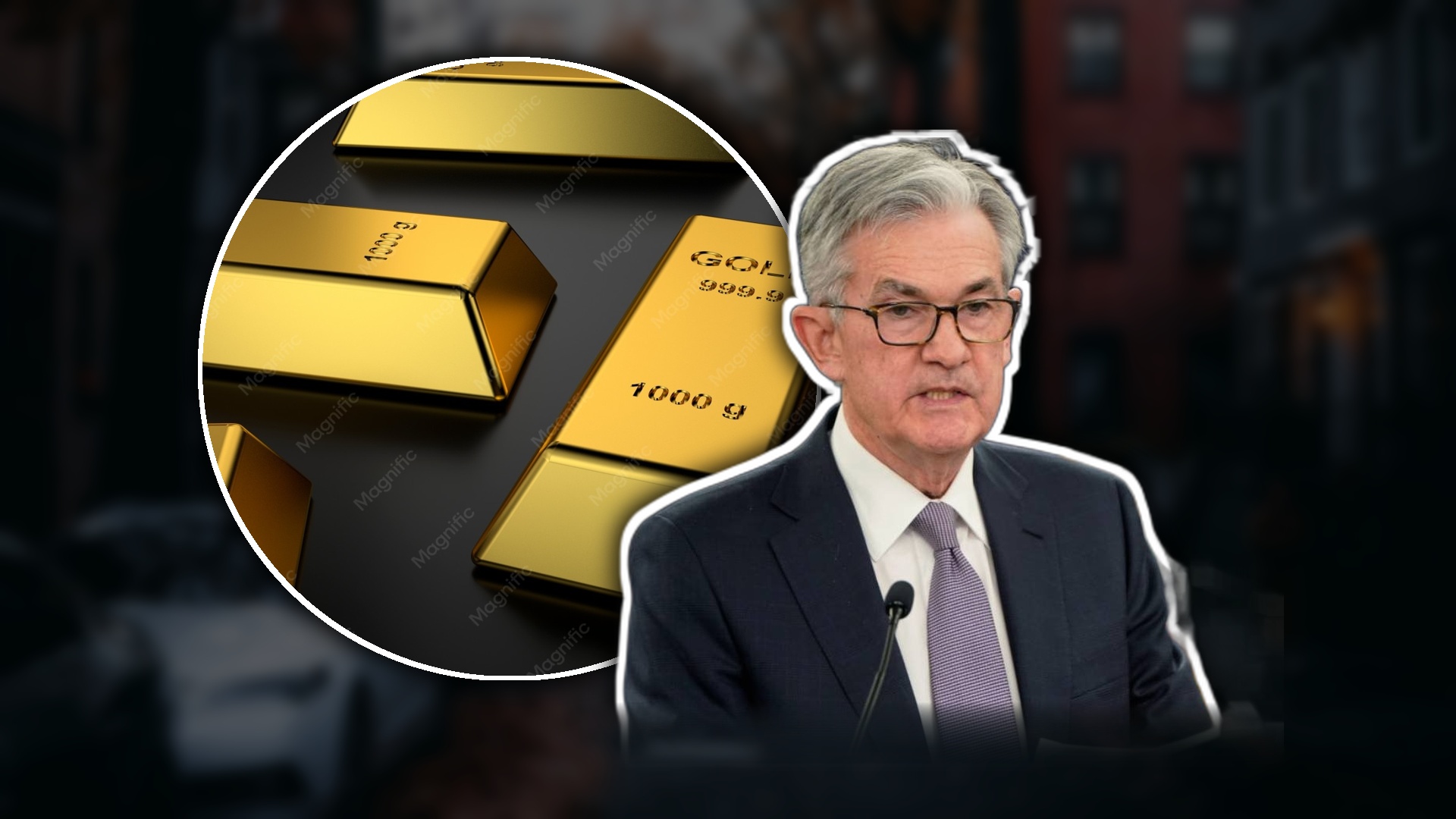
The trading floors of Lower Manhattan are strangely quiet for a morning when the world’s oldest store of value is flirting with $4,000 an ounce. In the wood-paneled offices of Narumi AI, we’ve seen this movie before, but never with these stakes. On this June 30, 2026, gold isn’t just a commodity; it’s a scoreboard. And right now, it’s signaling a profound lack of confidence in the fiat experiment that has governed the global economy since the Nixon era.
The Silent Mutiny of the Central Banks
While retail investors are often distracted by the latest tech cycle, the real movement in gold is being driven by what I call the 'Silent Mutiny.' Central banks, led by the People’s Bank of China and emerging market titans, are no longer treating gold as a passive reserve. They are treating it as strategic insurance against a weaponized dollar. The data suggests a structural shift: as Western sovereign debt balloons, the 'hard analog anchor' of gold is being pulled from the depths to stabilize national balance sheets.
This isn't just about price; it's about the erosion of the US dollar's absolute dominance. When central banks choose bullion over Treasuries, they aren't just diversifying; they are structurally raising the cost of borrowing for every Western nation. It is a slow-motion pivot that the broader market ($MARKET) has yet to fully price in.
The Great Valuation Disconnect
Here is where the narrative gets messy. In a rational world, $4,000 gold should have sent mining equities into the stratosphere. Instead, we are witnessing a bizarre 'Fundamental Disconnect.' The mega-cap producers—the Newmonts and Barricks of the world—are generating mountains of free cash flow, yet their stock prices are trading as if the yellow metal were still stuck at $1,800. Analysts at J.P. Morgan have noted that many gold mining equities are trading at significant discounts to their Net Asset Value (NAV).
Why the cold shoulder from investors? It’s a hangover from a decade of overspending and poor capital allocation. But for the savvy insider, this gap represents a rare arbitrage opportunity. The 'Majors' are currently using their record margins to cannibalize the 'Juniors' in a wave of M&A that is reshaping the industry. When Newmont ($NEM) or Barrick Gold ($GOLD) buys an exploration firm today, they aren't just buying gold in the ground; they are buying it at a 40% discount to the spot market.
The Streaming Safe Haven
If you want the upside of $4,000 gold without the headache of labor strikes in Ghana or permitting delays in Nevada, the smart money has moved to the 'Royalty and Streaming' plays. Companies like Franco-Nevada ($FNV) and Wheaton Precious Metals are the ultimate margin-capture vehicles. They provide the upfront cash for mines and, in return, get the right to buy future production at a fixed, heavily discounted price. They are essentially high-margin fintech firms that happen to deal in physical ore.
The Next Catalyst: A Hawkish Shadow
As we look toward the second half of 2026, the $4,000 floor is being tested by a hawkish Federal Reserve. The market is holding its breath for the next round of US employment data. If the labor market remains stubbornly hot, the Fed may keep rates 'higher for longer,' providing a headwind for a non-yielding asset like gold. However, Goldman Sachs remains undeterred, projecting a long-term target of $4,900. Their thesis? Central bank demand is now 'price agnostic.' They aren't buying because they want a trade; they are buying because they need an exit from the dollar-denominated system.
The Macro Verdict
The gold market’s current outlook signals a structural skepticism toward policymakers' ability to handle global debt. We are moving away from paper assets toward tangible security. For the institutional portfolio, the old 60/40 rule is dead. In its place is a new, more cynical framework that demands a permanent 5% to 10% allocation to the only currency that can’t be printed into oblivion. The $4,000 mark isn't a ceiling; it's the new basement of a very different global economy.
Check out our Interactive Charting Tool.