Crude Awakening: The 60-Day Peace That Broke the Oil Market
The Strait’s Sudden Silence
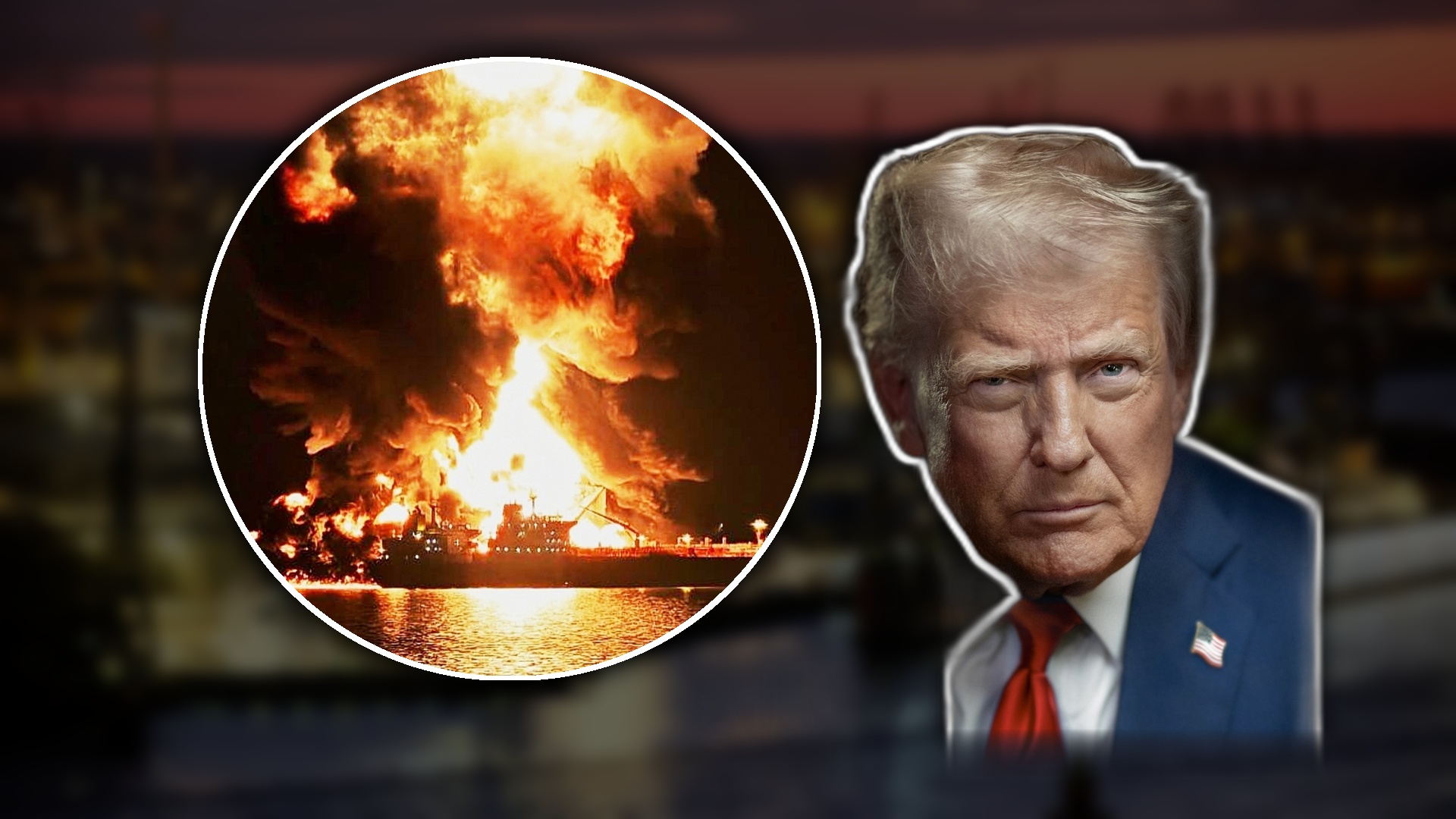
For months, the Strait of Hormuz was the world’s most expensive parking lot—a jagged chokepoint where 20% of global oil consumption sat frozen behind a wall of naval blockades and maritime mines. But following the Islamabad Memorandum and President Trump’s confirmation that Iran has ceased charging transit fees, the silence of the guns has been replaced by the frantic clicking of sell orders on trading floors from London to Singapore. The 'war premium' that propped up Brent crude at $120 a barrel hasn't just leaked; it has hemorrhaged. As the prompt spread shifts into a bearish contango—a market condition where the current price is lower than future prices, signaling a glut—the global energy landscape is facing its most violent reordering in a decade.
The Contango Cliff and the Shale Squeeze
The financial fallout is immediate and cold. Brent crude’s slide into the mid-$70s has effectively decapitated the profit margins of high-cost producers. While the revenue of integrated giants like ExxonMobil and Chevron remains massive, their operating margins are being squeezed by a reality they hoped to avoid: the return of the low-cost barrel. In the U.S. shale patch, where 'inefficient' drilling was subsidized by $100+ oil, the break-even math is turning ugly. Unlike the national oil companies of Saudi Arabia or the UAE, which can lift a barrel for the price of a Starbucks latte, American frackers are staring at a price floor that may no longer support their aggressive capital expenditure plans.
Wings Over Wells: The Great Sector Rotation
While the oil patch bleeds, the aviation and logistics sectors are breathing air they haven't tasted in years. For companies like Delta, United, and the cruise giant Carnival, fuel typically accounts for 25% to 35% of total operating expenses. The plummeting cost of jet fuel is effectively a massive, unsolicited stimulus package. We are seeing a classic foil: the very energy costs that are eroding the valuations of Big Oil are fueling a massive multiple expansion for the travel sector. Analysts are already revising price targets upward as they anticipate a historic margin expansion in the coming quarters.
A $24 Billion Regulatory Landmine
However, beneath the celebratory headlines of 'peace' lies a regulatory minefield known as General License X. The U.S. Treasury has issued a 60-day waiver, but this is a leash, not a release. The license expires at 12:01 a.m. on August 21, 2026. For global banks and shipping firms, this creates a 'snapback' risk of catastrophic proportions. A tanker loaded in the Persian Gulf today must be fully cleared and the funds settled before that August deadline, or the parties involved could find themselves in the crosshairs of OFAC’s lingering 'maximum pressure' architecture. This '60-day reality check' means that while the oil is flowing, the smart money is keeping one foot firmly on the brake.
The Shadow Fleet’s Sunset
The breakthrough also signals the end of the line for the 'shadow fleet'—the fragmented network of unflagged tankers that made a killing smuggling sanctioned Iranian crude during the blockade. With legal trade pathways opening, the lucrative 'sanctions premium' has evaporated. We are witnessing a flight to quality; mainstream, compliance-heavy maritime firms are reclaiming market share, while the dark fleet operators are seeing their valuations (and their utility) vanish. But even this transition is fraught with friction. The physical reopening of the Strait requires active de-mining and infrastructure repairs to damaged terminals, meaning physical shipping normalization will likely lag behind the paper market's enthusiasm.
The August Countdown
As we look toward the next catalyst, all eyes are on the IAEA inspectors. Their ability to access Iranian sites without friction will be the litmus test for the deal’s longevity. If the 60-day window closes without a permanent treaty, the 'war premium' will snap back with a vengeance, potentially sending oil back into the triple digits. For now, the market is enjoying the reprieve, but as any veteran of the Strait knows, in the Middle East, a ceasefire is often just a period used to reload. The current bearishness is palpable, but it is built on a foundation of diplomatic glass that could shatter with a single headline out of Tehran or Jerusalem.
Check out our Interactive Charting Tool.