Chokepoint Economics: The End of Cheap Energy Security
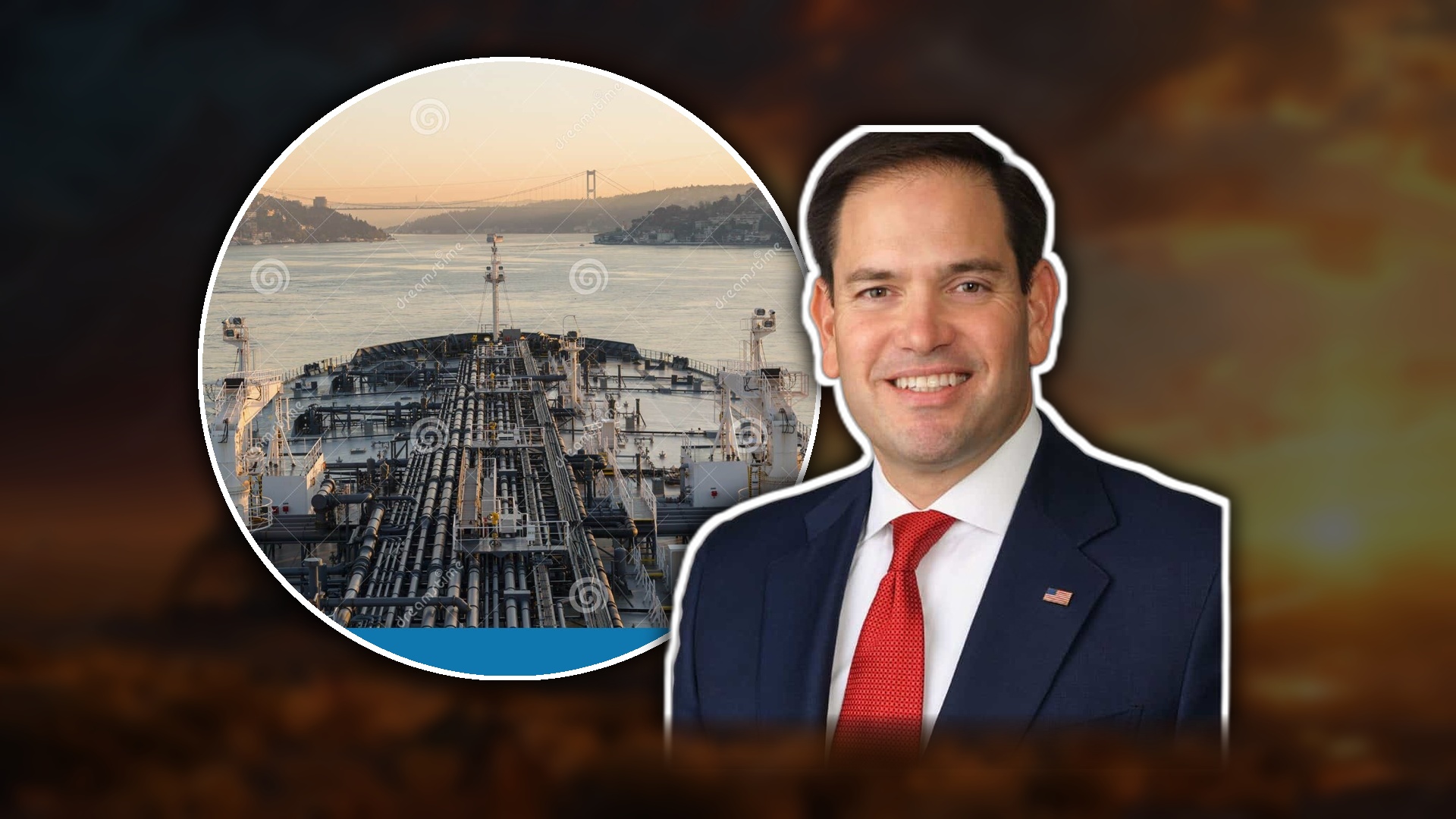
The Ghost in the Strait
The dawn over the Strait of Hormuz no longer brings the quiet hum of commerce, but the jagged tension of a hair-trigger standoff. As U.S. retaliatory strikes on Iranian sites illuminate the horizon and Houthi rebels formalize a naval blockade on Saudi Arabia, the global energy market is waking up to a terrifying reality: the old maps of energy security are being torn up in real-time. Crude oil prices have punched through to a six-week high, but the price on the ticker is only the surface of a much deeper, more permanent fracture in the global economy.
For decades, the market operated on the assumption of 'robustness'—the idea that despite flare-ups, the tankers would eventually move. Today, that assumption is dead. We are entering the era of 'resilience,' where energy-dependent nations are no longer content to wait for the next ceasefire. They are spending billions to ensure they never have to care about the Strait of Hormuz again.
The Red Sea’s Invisible Toll
The immediate conflict has forced a massive rerouting of global energy supplies. When a Houthi missile forces a tanker to bypass the Suez Canal and round the Cape of Good Hope, it isn't just adding two weeks to a voyage; it is adding a 'geopolitical tax' to every gallon of fuel and every plastic component in the supply chain. This isn't a temporary spike; it's a structural increase in the baseline cost of doing business. Shipping and insurance premiums are not just rising—they are being recalibrated for a decade of instability.
The conflict has effectively created a two-tier shipping market. On one side, those willing to run the gauntlet of the Red Sea for a premium; on the other, a massive redirection toward more secure, albeit significantly more expensive, alternative routes. For energy supermajors, this isn't just an operational headache; it’s a margin-eating monster that threatens to derail the disinflationary narrative central banks have been clinging to.
Decarbonization as a Fortress
Perhaps the most profound irony of the current Middle East escalation is its role as an accelerant for the green transition. For the European Union and major Asian importers like Japan and South Korea, the volatility in the Gulf has transformed decarbonization from a climate goal into a pillar of national survival. When your economy can be paralyzed by a drone strike 3,000 miles away, solar panels and heat pumps look less like environmental choices and more like tactical defense assets.
We are seeing a 'Nuclear Revival' that would have been unthinkable five years ago. Small Modular Reactors (SMRs) are being fast-tracked across the West, not just to meet net-zero targets, but to provide a continuous baseload of power that doesn't rely on a single maritime chokepoint. This is the 'Nuclear Hedge'—a massive capital allocation shift away from hydrocarbon dependency and toward localized, electrified industrial processes.
The Great Pipeline Pivot
While the world watches the water, the real strategic moves are happening on land. Governments are pouring capital into bypass corridors—East-West overland pipelines designed to redirect crude to ports outside the immediate reach of regional proxies. However, these solutions are fraught with their own risks. A pipeline is a static target, vulnerable to the same long-range missile and drone technology that is currently terrorizing the Red Sea.
Refineries are also being forced into a costly evolution. For years, massive refining hubs in Asia were calibrated specifically for Middle Eastern sour crude. Now, those same facilities are undergoing expensive retrofits to handle 'Atlantic Basin' grades. The goal is simple: geographical diversification. If the Gulf closes, the lights must stay on using oil from West Africa, Brazil, or the U.S. Permian Basin.
The 'Higher-for-Longer' Trap
The financial markets are beginning to price in the 'silent bleed' of this conflict. Mortgage rates have hit an 11-month high, a direct consequence of the inflationary pressure exerted by energy costs. The dream of a 'soft landing' is being threatened by a crude-oil-fueled tailwind that central banks may find impossible to ignore. If energy prices remain elevated due to these structural supply chain shifts, the 'higher-for-longer' interest rate policy becomes an inevitability rather than a warning.
The Verdict: A New Economic Map
The current conflict in the Middle East is more than a headline; it is a catalyst for the most significant reorganization of global trade since the end of the Cold War. The 'Market' is no longer just a place where supply meets demand; it is a place where geography meets firepower. Investors who fail to recognize that the 'geopolitical risk premium' is now a permanent line item in every balance sheet will be the first to be swept away by the tide. The era of cheap, easy energy security is over. The era of the 'Energy Fortress' has begun.
Check out our Interactive Charting Tool.