Boeing Gets the Keys Back: The FAA Finally Trusts the Cockpit
The Graduation from Regulatory Detention
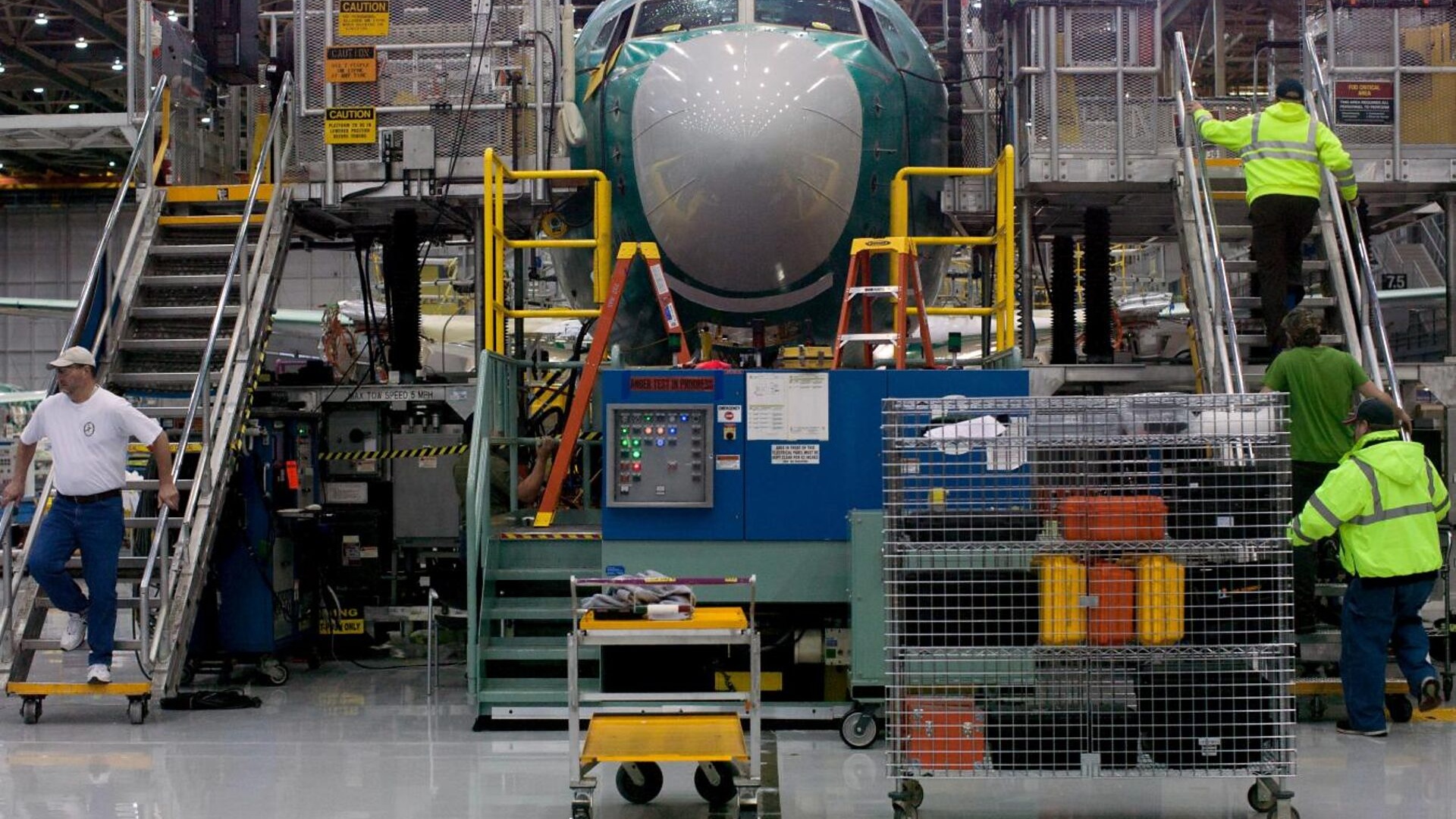
Imagine you’re a teenager who just got their car keys back after a two-year grounding. That is essentially the vibe at Boeing ($BA) headquarters this week. After years of intense, plane-by-plane scrutiny following the tragic 737 Max crashes in 2018 and 2019, the Federal Aviation Administration (FAA) has officially restored Boeing’s authority to issue its own airworthiness certificates for the 737 Max and 787 Dreamliner.
For the uninitiated, an airworthiness certificate is the ultimate 'permission slip.' It’s the final document that says a specific, newly built aircraft meets all safety standards and is ready to join an airline's fleet. Up until now, the FAA was essentially acting as a permanent hall monitor, personally signing off on every single jet. Now, Boeing can do it themselves.
Cutting Through the Delivery Logjam
Why does this matter to the average investor? Two words: Cash Flow. In the world of aerospace, the business model is heavily back-loaded. While airlines pay some money upfront, the vast majority of a plane’s multi-million dollar price tag is paid only when the keys are handed over (the final delivery).
Previously, Boeing and the FAA were stuck in a clunky, alternating-week system to sign off on planes. It was like trying to empty a swimming pool with a straw. By returning full certification authority to Boeing, the company can now move individual aircraft through the final pipeline continuously. This is the 'secret sauce' for clearing out the massive backlog of manufactured jets currently sitting in parking lots and airfields, waiting for their paperwork.
The 'Smart Oversight' Model
Don't be fooled into thinking the FAA is simply walking away and hoping for the best. This isn't a return to the 'light-touch' regulation that many blame for the 2019 crisis. Instead, the industry is moving toward what experts call Systemic Oversight.
Think of it like this: Instead of the FAA checking every single bolt on every single plane (which is slow and inefficient), they are now auditing the system that checks the bolts. FAA inspectors are shifting their focus from individual 'ticketing' to deep-dive factory floor audits and real-time data monitoring. This allows the regulator to be a strategic watchdog rather than a bureaucratic bottleneck.
However, the 'training wheels' are still partially attached. The FAA is maintaining a strict production cap of 47 MAX aircraft per month. So, while Boeing can now deliver faster, they still aren't allowed to build faster—at least not yet.
The Competitive Dogfight: Boeing vs. Airbus
While Boeing is busy cleaning its room, its chief rival, Airbus, has been throwing a party. Airbus currently dominates the narrowbody market with its A321neo, largely because it hasn't had to deal with the same regulatory 'detention' as Boeing.
This restoration of authority helps Boeing stop the bleeding, but it doesn't instantly win the war. Airbus still enjoys a more stable regulatory standing with the European Union Aviation Safety Agency (EASA) and a smoother operational rhythm. Boeing is still playing a long-term game of catch-up. To truly close the gap, Boeing needs several years of 'flawless execution'—meaning no more loose bolts, no more door-plug blowouts, and a successful certification of the upcoming MAX 7 and MAX 10 variants.
The Bottom Line for Investors
For institutional investors and retail traders alike, this news is the 'green light' that the operational floor has been set. By regaining self-certification, Boeing reduces its storage and maintenance costs for parked inventory and accelerates the 'liquidity event' of deliveries.
But keep your eyes on the 'Smart Oversight' metrics. Any slip-up in a systemic audit could see the FAA snatch those keys back faster than a parent who just smelled smoke in the car. For now, Boeing is back in the pilot's seat—they just have to prove they can stay there.
Check out our Interactive Charting Tool.