Bitcoin Miners’ $9B Glow-Up: The Great AI Infrastructure Pivot
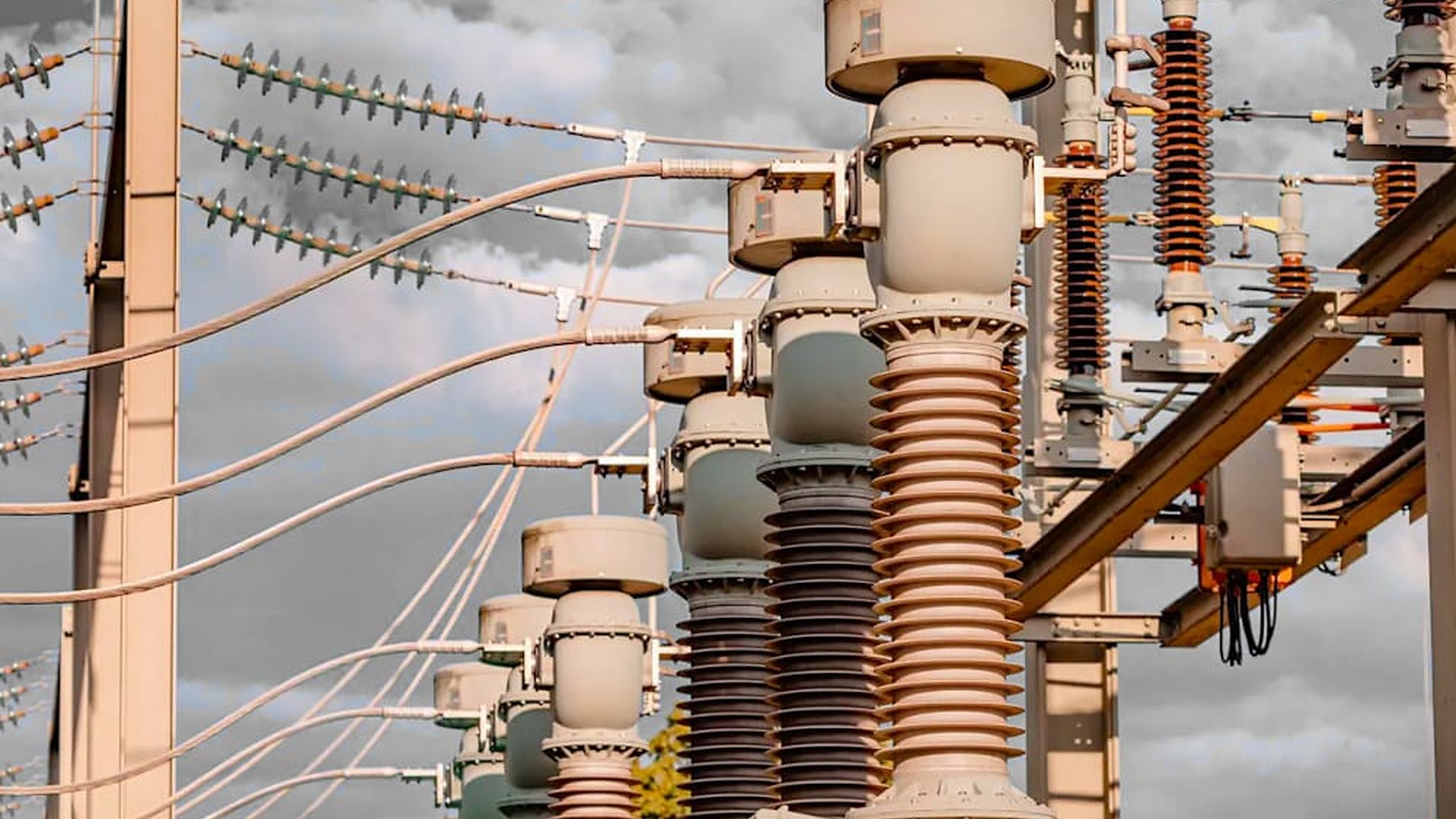
The Great Migration to Digital Real Estate
For years, Bitcoin miners were the ultimate high-stakes gamblers of the tech world. They built massive warehouses, filled them with specialized computers (ASICs), and prayed the price of Bitcoin would stay high enough to keep the lights on. But the script has officially flipped. In a massive strategic pivot, the industry’s biggest players are trading their mining pickaxes for the steady, lucrative life of an AI landlord.
CleanSpark ($CLSK) and IREN are leading this charge, moving from the boom-and-bust cycle of 'hash rates' to the high-rent world of High-Performance Computing (HPC). We aren’t just talking about a few extra servers; we’re talking about a combined $9.4 billion in infrastructure deals that could fundamentally change how Wall Street values these companies.
The $6.6 Billion Landlord Move
CleanSpark recently dropped a bombshell: a 20-year, $6.6 billion infrastructure lease for its Sandersville campus. Instead of just mining Bitcoin for its own pocket, CleanSpark is moving toward a Triple-Net (NNN) lease model. In the real estate world, an NNN lease is the holy grail—it means the tenant pays the rent plus the taxes, insurance, and maintenance. For CleanSpark, this shifts the headache of upgrading expensive tech to the tenant, leaving the company with a projected Net Operating Income (NOI) margin near 100%.
By locking in a 20-year commitment, CleanSpark is effectively turning its power access into a 'bankable' asset. This is a game-changer for their Weighted Average Cost of Capital (WACC). In plain English? Because their income is now predictable and backed by long-term contracts, they can borrow money at much cheaper rates rather than constantly diluting shareholders to buy more gear.
IREN’s $4 Billion Revenue Sprint
While CleanSpark plays the long-term landlord, IREN is sprinting toward a different finish line: AI Cloud Services. IREN has secured $2.8 billion in new AI cloud contracts, aiming for a staggering $4 billion annualized revenue run-rate by 2026. To get there, they are using a clever financial trick called customer prepayments. Their customers are essentially paying 45% of the hardware costs upfront, which acts like a massive interest-free loan to fuel IREN’s growth.
The 'Firm Power' Reality Check
It’s not all sunshine and high-margin rainbows. Converting a Bitcoin mine into an AI data center is like trying to turn a rugged warehouse into a five-star hotel. Bitcoin miners usually use 'interruptible' power—they get cheap rates by agreeing to turn off their machines when the grid is stressed. AI clusters, however, need 'Five-Nines' reliability (99.999% uptime). If an AI training session for a Large Language Model (LLM) gets interrupted, it can cost millions in lost progress.
Then there is the heat. Traditional Bitcoin mining uses giant fans to blow air over chips. Modern AI chips, like Nvidia’s Blackwell series, run so hot they require direct-to-chip liquid cooling. Upgrading these sites isn't cheap—CapEx costs explode from $1 million per megawatt for mining to as much as $12 million per megawatt for AI hosting.
The Valuation Re-Rating: From 5x to 12x
Why are investors cheering this move? It all comes down to the 'Multiple.' Pure-play Bitcoin miners typically trade at around 5x to 6x their revenue because their business is so volatile. Digital infrastructure companies (the ones that host AI and cloud data) trade at 12x to 15x. By shifting their revenue mix, CleanSpark and IREN are begging Wall Street to stop looking at them as 'crypto stocks' and start seeing them as 'AI utilities.'
The 'Power Premium' is real. In a world where it takes 4 to 7 years to get new power lines built, these companies already have the 'juice.' If they can successfully navigate the technical hurdles of liquid cooling and grid reliability, they might just be the sneaky winners of the AI gold rush—not by finding the gold, but by owning the land where the miners live.
What to Watch Next
Keep your eyes on the Commercial Operation Dates (COD). CleanSpark’s first major data halls are slated for Q4 2027. Any delays in construction or power upgrades could turn these multi-billion dollar dreams into expensive paperweights. For IREN, watch the SLA (Service Level Agreement) metrics. If they can maintain uptime without penalties, the transition from speculative miner to reliable utility provider will be complete.
Check out our Interactive Charting Tool.