Apple's Identity Crisis: The Trillion-Dollar Rent-a-Brain Gamble
The Steve Jobs Theater’s Quietest Keynote
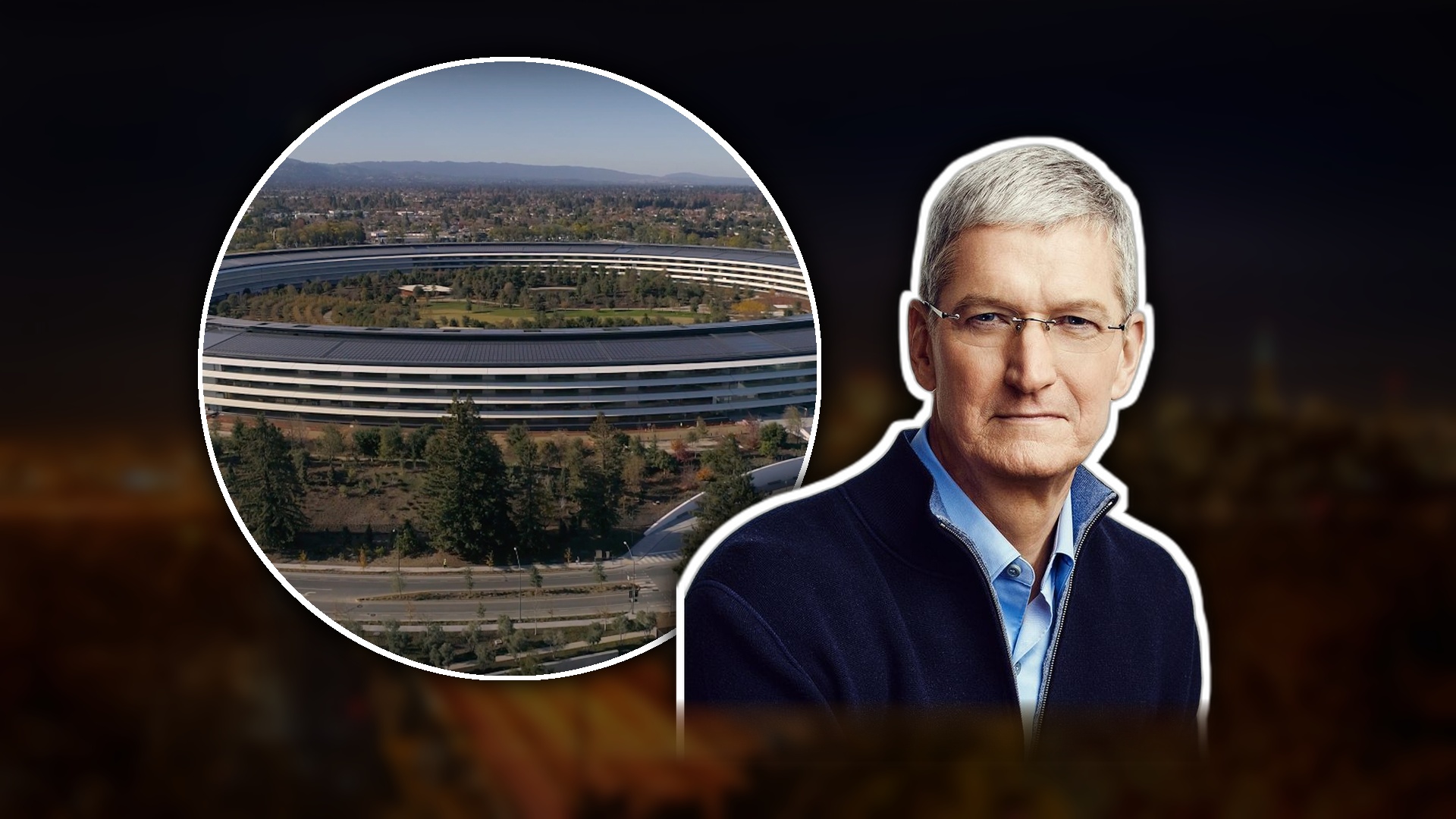
The lights at the Steve Jobs Theater had barely dimmed on June 8, 2026, before the whispers began to circulate through the corridors of Cupertino. For years, Apple ($AAPL) has been the undisputed architect of the 'walled garden,' a fortress built on the premise of total vertical integration. But as Tim Cook stood on stage at WWDC 2026 to unveil the new Siri AI, the architecture looked different. It looked borrowed. By integrating Google’s ($GOOGL) Gemini foundation models to power the cloud-routed layers of Apple Intelligence, the company didn't just launch a feature; it signed a white flag of surrender on independent frontier-model development.
Wall Street’s reaction was a clinical shrug. The stock dipped 3.6% following the reveal, a 'sell-the-news' moment that masked a deeper existential anxiety. While the bank's revenue is soaring—hitting $111.2 billion in the latest fiscal second quarter—a deeper look at their operational strategy reveals a company that is choosing to protect its margins at the cost of its technological soul. The conflict is simple: Apple has the cash to build anything, yet it is choosing to rent a brain from its fiercest rival.
The CapEx Shield of Cupertino
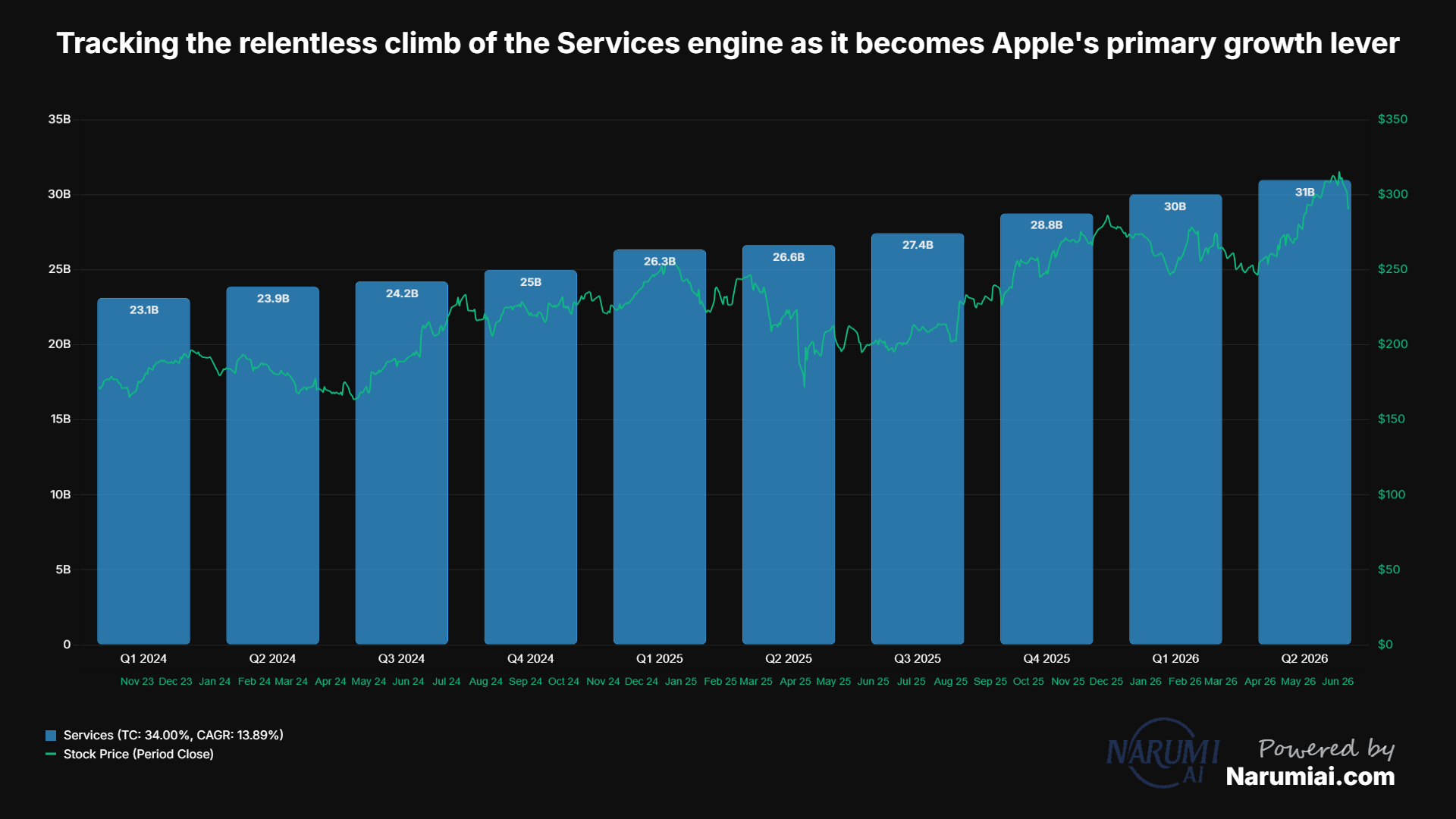
To understand the 'why' behind this Google alliance, one must look at the brutal math of the AI arms race. While Microsoft and Google are incinerating tens of billions in capital expenditures (CapEx) to secure Nvidia’s latest silicon and build massive server farms, Apple has remained uncharacteristically disciplined. By offloading heavy cloud inference to Google’s infrastructure, Apple is effectively mitigating a massive financial risk.
The numbers support this pragmatic cowardice. In Q2 2026, Apple generated a staggering $28.7 billion in operating cash flow. By refusing to build a proprietary frontier model, they keep that cash for what they do best: stock repurchases and dividends. In the most recent quarter alone, Apple spent $12.3 billion on buybacks, a figure that would be impossible if they were chasing Google’s R&D spend on foundational AI infrastructure.
A Tale of Two Margins
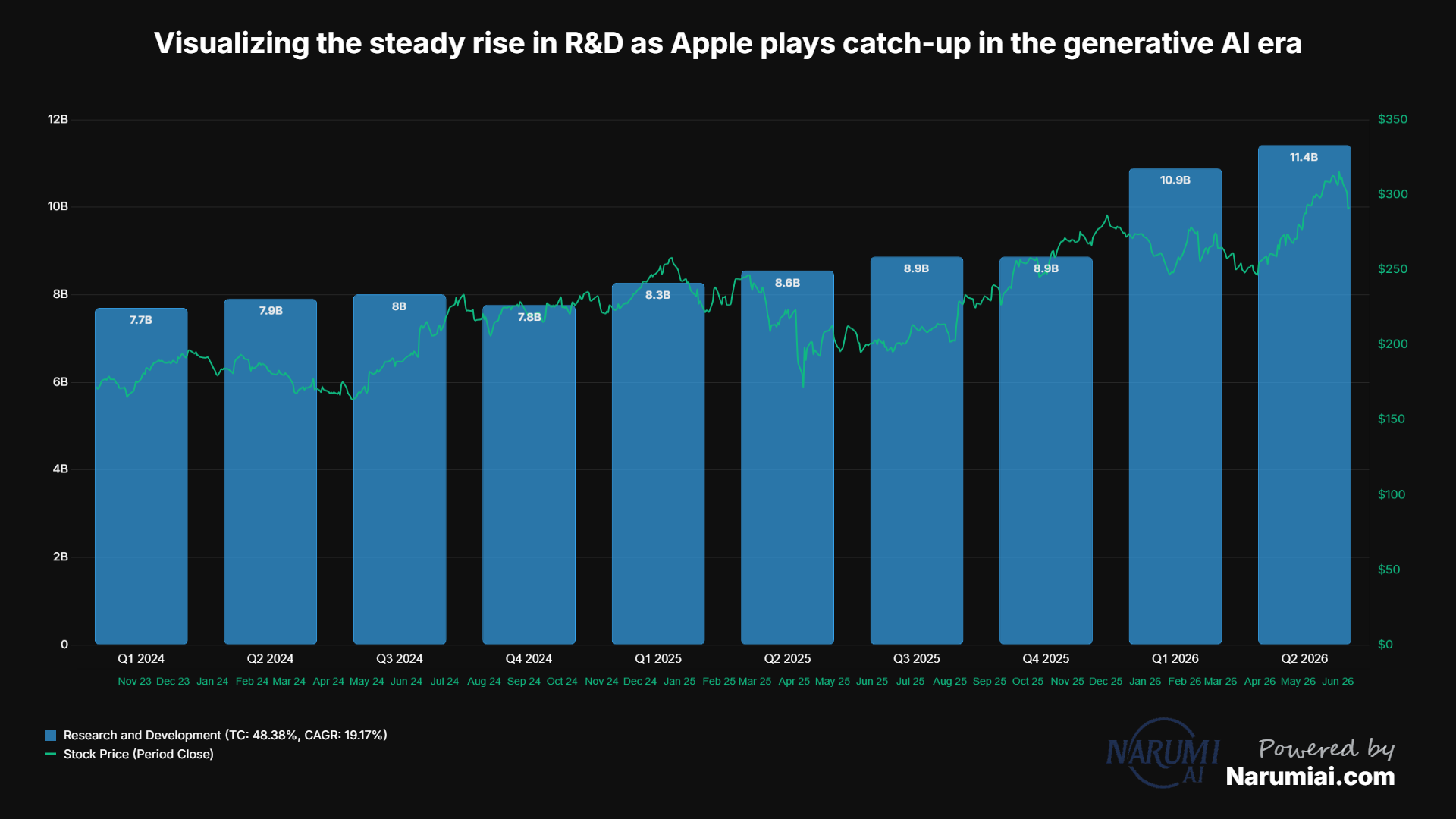
Despite the 'catch-up' narrative, Apple’s financial machine remains a marvel of efficiency. The company’s Operating Margin for Q2 2026 sat at 32.3%, a healthy climb from the 31.0% seen in the same period a year prior. This efficiency is driven primarily by the Services segment, which hit an all-time record of $30.9 billion in revenue this quarter. Services are now the high-margin backbone that offsets the cyclicality of the iPhone cycle.
However, the dependency on Google creates a 'margin squeeze' risk that institutional investors are beginning to model. Right now, Apple pays Google an estimated $1 billion annually for Gemini access. But as Siri AI becomes a central part of the user experience, Google’s leverage increases. If the contract renews at higher rates, or if Google prioritizes its own Pixel hardware for the best AI features, Apple’s record-breaking services margins could face their first real structural threat since the App Store’s inception.
The Fractured Map of Apple Intelligence
The most immediate hurdle for the 'marathon' strategy is a geographic one. The announcement that Apple is withholding Siri AI from the European Union and China due to regulatory hurdles—specifically the Digital Markets Act (DMA) and Beijing's strict AI governance—fractures the global iPhone story. In Europe, regulators are demanding that Apple give third-party AI assistants the same system-level access as Siri. Apple’s refusal to comply, citing privacy, effectively stalls the hardware 'super-cycle' for 450 million potential customers.
This creates a massive opening for Google. While Apple is handcuffed by its own privacy narrative, Google’s Android ecosystem is inherently more open and compliant with DMA mandates. Google can market the Pixel and its partner devices as 'fully realized' AI experiences in markets where the iPhone 17e will arrive as little more than a faster screen. In China, the situation is even more dire, as local giants like Huawei and Xiaomi have already embedded government-approved AI into their stacks, leaving Apple to negotiate complex, margin-diluting partnerships with local firms like Baidu.
The Fundamental Disconnect
Is Apple still an innovation company, or has it become a luxury holding company for a legacy ecosystem? The valuation suggests the latter. With a Price-to-Sales (P/S) ratio of 10.8x and a Price-to-Book (P/B) ratio of 42.3x, Apple is not priced like a company playing catch-up. It is priced like a utility that owns the most valuable real estate in the digital world: the pockets of 2.5 billion people.
The 'marathon' approach assumes that Apple can arrive late to the party, refine the experience, and eventually build its own internal models to phase out Google. But as AI development accelerates, the technical debt Apple is accruing by outsourcing its foundational intelligence may become too expensive to ever repay. For now, Tim Cook is betting that the 'walled garden' is strong enough to keep users inside, even if the brain of the garden belongs to the guy next door.
The Verdict for Investors
Institutional allocators are watching two specific metrics over the next 18 months: iCloud+ conversion rates and the iPhone 17 upgrade cycle. If Apple can successfully gate intensive AI features behind a premium iCloud+ tier, the Services record will continue to break. If, however, the 'Memory Gate'—the fact that 850 million iPhones lack the RAM to run these features—fails to trigger a hardware upgrade cycle, the stock’s premium valuation will be impossible to defend. For now, Apple remains a fortress, but for the first time in a decade, the fortress is renting its ammunition.
Check out our Interactive Charting Tool.