Abel’s Cleansing: The Radical Re-Engineering of Berkshire Hathaway
The Omaha Purge
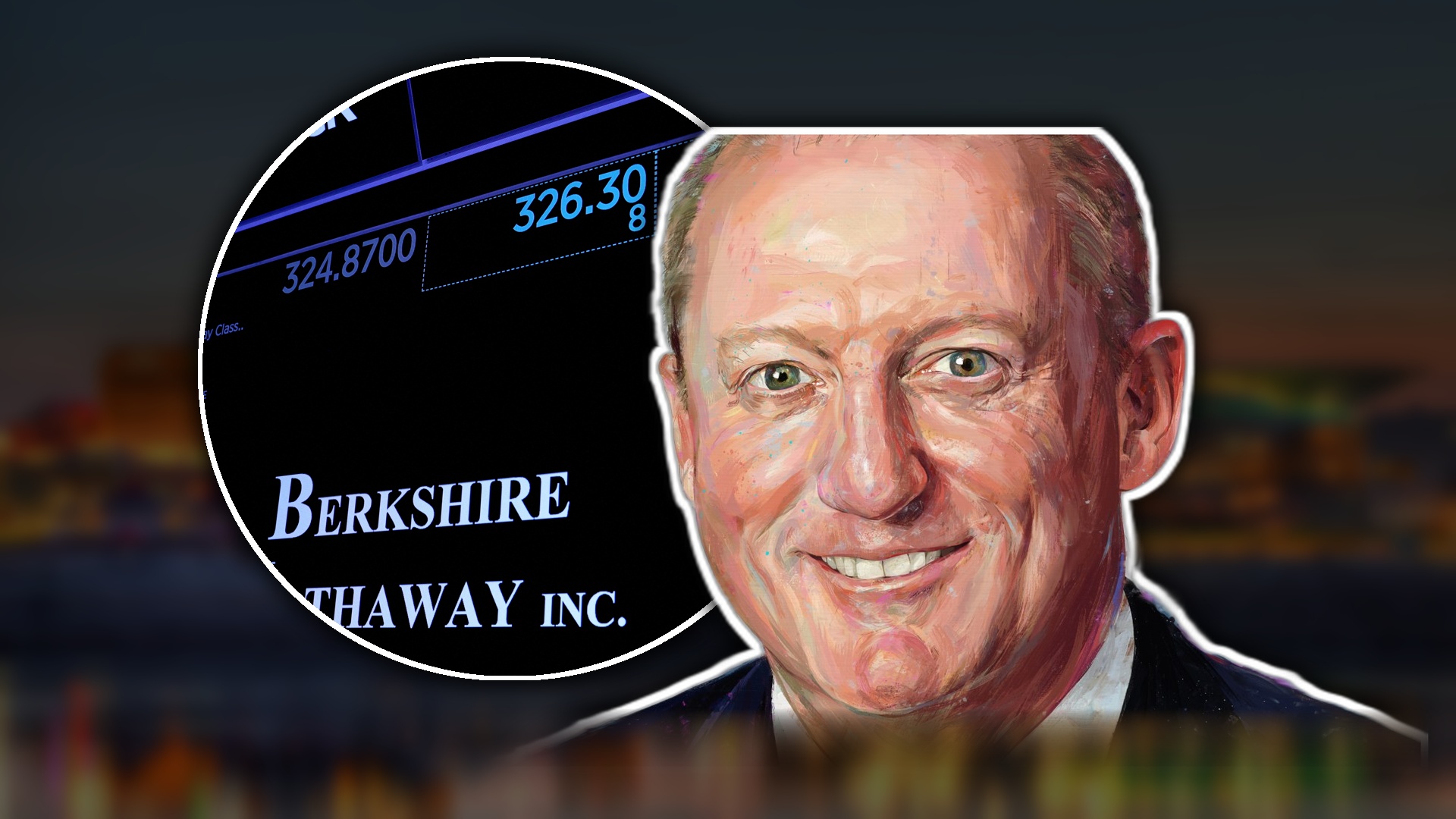
In the wood-paneled corridors of Kiewit Plaza, the ghost of the old Berkshire Hathaway is being politely shown the exit. The May 13F filing wasn't just a routine update; it was a manifesto. Under the steady, perhaps more ruthless hand of CEO Greg Abel, the conglomerate has undergone what insiders are calling the 'Combs Cleansing'—a total liquidation of the long-tail 'compounders' that once defined the portfolio’s defensive spine. By slashing the number of holdings from 42 to a lean 29, Abel has signaled that the era of passive, sentimental accumulation is over. Berkshire is no longer a museum of 20th-century American commerce; it is being re-engineered into a high-conviction platform for the AI and infrastructure age.
Google is the New Coca-Cola
The most provocative move in the Abel era is the aggressive pivot into Alphabet ($GOOGL). While Warren Buffett famously avoided tech for decades due to 'circle of competence' boundaries, Abel has reclassified Big Tech as 'Modern Value.' To Berkshire, Alphabet isn't a speculative AI play; it’s a digital utility with a fortress balance sheet. The stake has been tripled to roughly $17 billion, making it Berkshire's 7th largest holding. This move serves as a direct foil to rivals like Markel or Brookfield, who have historically sought 'tollbooth' moats in payments.
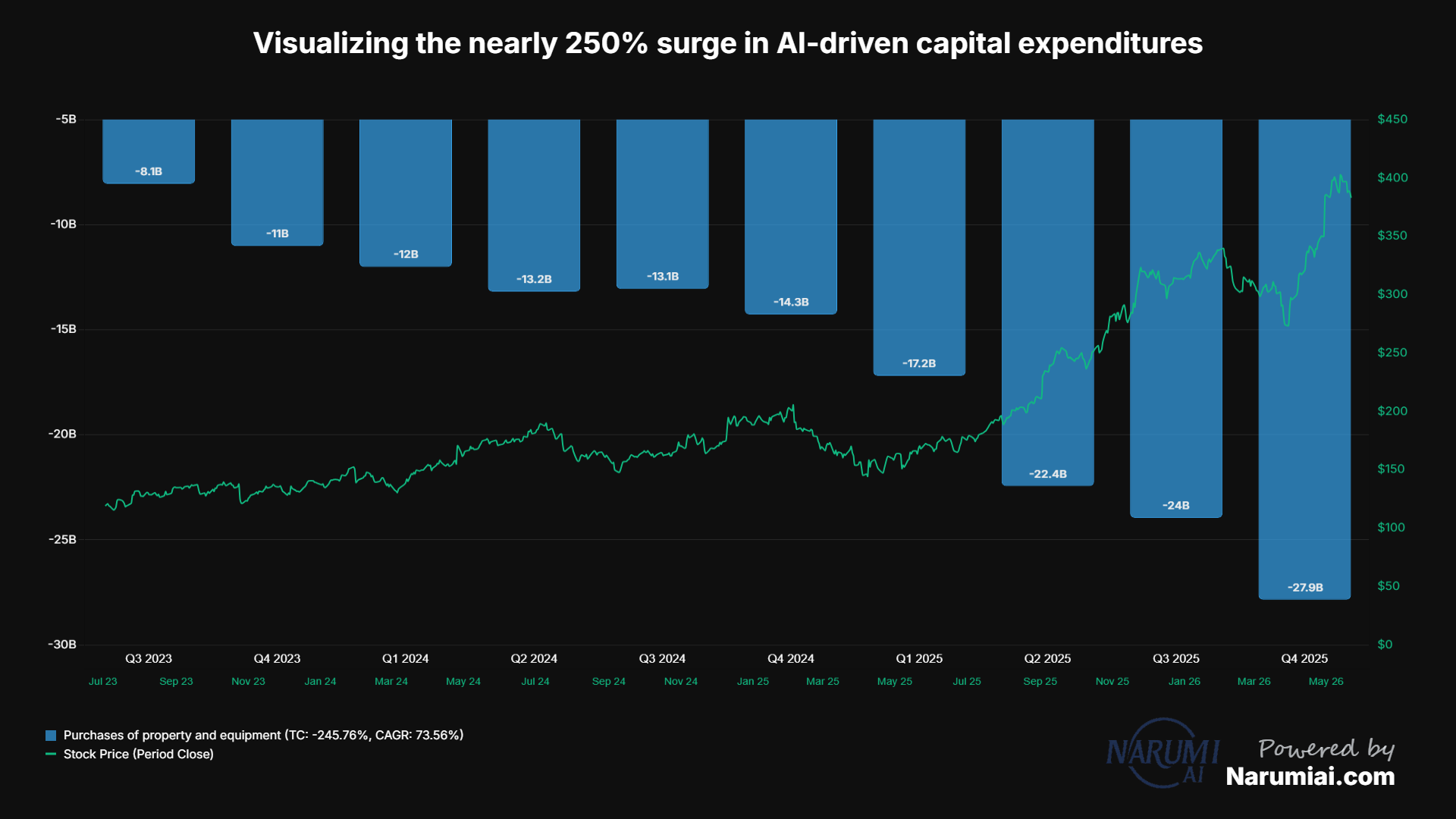
By exiting Visa ($V) and Mastercard ($MA) entirely, Abel is rejecting the premium multiples of the legacy payment duopoly in favor of Alphabet’s free-cash-flow yield. However, the financial data reveals a mounting conflict under the hood. While Alphabet’s revenue soared to $113.8 billion in Q4 2025, its capital expenditures for AI infrastructure are cannibalizing the very cash flow Berkshire prizes.
The Delta Gamble: Reversing the Dogma
Perhaps the most stunning reversal is the $2.65 billion bet on Delta Air Lines ($DAL). It was only a few years ago that Buffett dumped airlines, declaring the industry’s math had 'permanently changed.' Abel’s return to the skies suggests a more pragmatic, data-driven skepticism of that dogma. He is targeting Delta’s premium consumer segment, betting that corporate travel is the new non-discretionary spend.
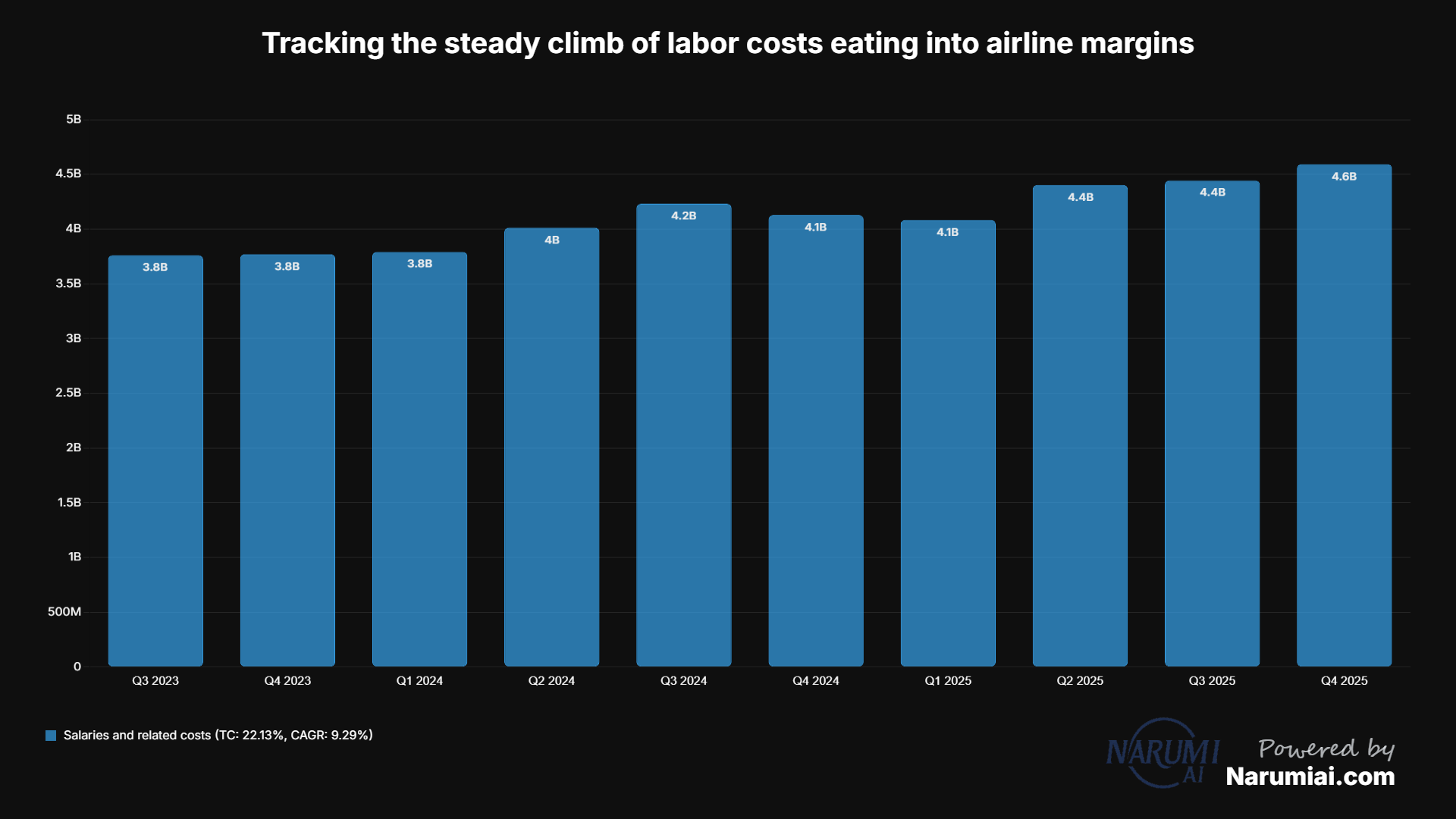
But the math is getting tighter. A look at Delta’s operating margins reveals a silent bleed. In Q3 2023, Delta enjoyed an operating margin of roughly 12.8%. By Q4 2025, despite revenue growing to $16 billion, the operating margin has eroded to 9.16%. The culprit? A relentless rise in salaries and related costs, which jumped from $3.76 billion to $4.59 billion over the same period.
The Fundamental Disconnect
The exit from Amazon ($AMZN) and UnitedHealth ($UNH) further clarifies the Abel doctrine: if a business requires massive, ongoing capital intensity without the utility-like moat of a Google or the hard-asset protection of a railroad, it’s gone. This puts Berkshire at odds with the broader market, which still treats Amazon as a terminal winner. Abel is effectively calling a top on the 'growth-at-any-price' era of the last decade.
However, the risks are asymmetric. By concentrating 90% of the equity value into just ten names, Berkshire has traded the safety of diversification for the volatility of a tech-heavy index. Alphabet faces an existential regulatory cloud, and Delta remains a hostage to geopolitical fuel shocks. Abel is using Berkshire’s $397 billion cash pile as a shock absorber, but even a fortress can be rattled if the AI transition at Alphabet turns into a capital-sucking 'Red Queen's Race'—where billions are spent just to stay in the same place.
The $400 Billion Question
As Berkshire consolidates, its rivals are watching. Diversified holding companies like Loews or Fairfax Financial now have a blueprint for rationalizing their own 'long-tails.' The Abel era is characterized by a ruthless focus on scale. If an investment doesn't move the needle for a half-trillion-dollar giant, it is deemed a distraction. The final validation of this pivot won't come from the 13F, but from the next 'elephant-sized' acquisition. With $400 billion in liquidity, Abel isn't just buying stocks; he is waiting for a market fracture to buy an entire industry. Until then, Berkshire is a tech-heavy, airline-exposed titan, waiting for the rest of the world to catch up to its new definition of value.
Check out our Interactive Charting Tool.